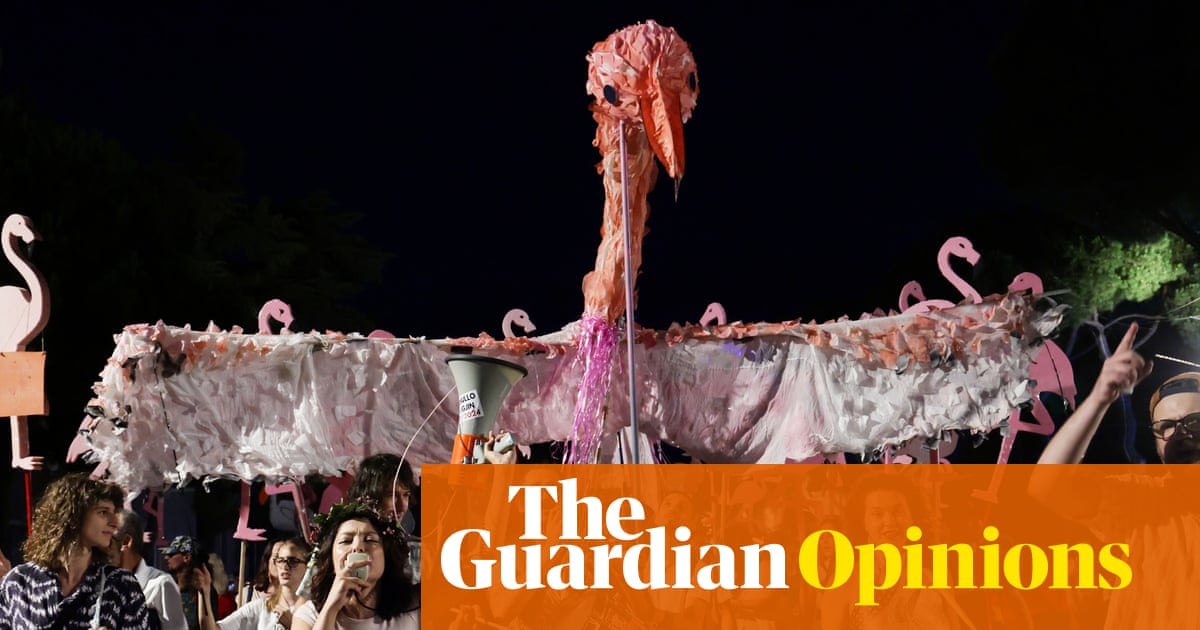
Albania’s Flamingo Revolution: Fighting for Rights and Nature
Albanian citizens and environmental activists are currently challenging large-scale tourism developments in the Narta Lagoon, a critical biodiversity hotspot. The movement, dubbed the “flamingo revolution,” pits public concerns over protected wetland ecosystems against government-backed infrastructure projects, raising significant questions regarding the rule of law and sustainable development in the Mediterranean region.
The Conflict at Vjosa-Narta Protected Landscape
At the center of the dispute is the construction of an international airport within the Vjosa-Narta Protected Landscape. The site, which serves as a vital nesting and feeding ground for thousands of flamingos and other migratory birds, has been earmarked for commercial development by the Albanian government. According to documentation from the BirdLife International network, the project directly contravenes national environmental laws and international conventions regarding the protection of migratory species.

The government maintains that the airport is a necessary catalyst for regional economic growth, aiming to bolster tourism in the Vlorë area. However, local advocacy groups argue that the environmental cost—specifically the degradation of the lagoon’s fragile ecosystem—outweighs the projected economic benefits. This tension has transformed a local zoning dispute into a broader national conversation about the transparency of state-led projects and the enforcement of environmental regulations.
Legal Challenges and Regulatory Hurdles
The legal battle surrounding the Narta Lagoon reflects broader systemic issues in Albanian land-use governance. Activists have sought intervention from the judiciary, claiming that the environmental impact assessments provided by developers are either incomplete or deliberately obscured. For those involved in regional commercial development, the situation underscores a growing necessity for specialized oversight.
Developers and stakeholders often find themselves caught in the crossfire of evolving regulatory frameworks. In such high-stakes environments, engaging with a Commercial Real Estate Law Firm is standard practice to ensure that projects comply with both domestic statutes and European Union environmental standards, thereby mitigating the risk of long-term litigation.
Community Mobilization and the Role of Civil Society
The “flamingo revolution” is not merely an environmental protest; it is a manifestation of shifting civic engagement in Albania. Community leaders have organized rallies and social media campaigns to highlight the loss of public land and the potential for irreversible ecological damage.
“The protection of our natural heritage is not an obstacle to progress, but a prerequisite for it. When we ignore the integrity of our ecosystems, we compromise the very assets that make our region a viable destination for the future,” says a spokesperson for the local environmental coalition.
This grassroots pressure has forced municipal authorities to defend their decision-making processes under increased public scrutiny. For organizations attempting to operate within these regions, the situation highlights the importance of proactive stakeholder management. Companies often turn to Environmental Consultancy Services to conduct independent audits and ensure that their social license to operate remains intact during periods of civil unrest.
Macro-Economic Implications for the Balkan Region
The Albanian controversy follows a trend seen throughout the Balkans, where post-socialist infrastructure development often clashes with modern environmental mandates. The European Environment Agency has frequently noted that balancing tourism expansion with the preservation of natural capital remains the primary challenge for the Adriatic coastline.
While the government characterizes the airport as an essential link in the country’s transport infrastructure, critics point to the failure to integrate “green” design principles. The lack of standardized, transparent public consultation processes has led to a climate of distrust between the state and the citizenry. For businesses, this volatility necessitates a robust risk assessment strategy.
Navigating the complex landscape of permits, public sentiment, and environmental liabilities requires more than just capital. It requires a deep understanding of local administrative law. Many firms are now turning to Public Policy and Government Relations Advisors to bridge the gap between development goals and community expectations.
The Future of Protected Landscapes
The conflict in the Narta Lagoon is far from resolved. As the project enters its next phase of construction, the role of independent monitoring bodies becomes critical. The outcome of this struggle will likely set a precedent for how Albania manages its remaining protected lands in the face of intense pressure for rapid economic expansion.
Ultimately, the “flamingo revolution” serves as a warning to both developers and policymakers: public tolerance for the destruction of natural habitats is diminishing. The long-term viability of the Albanian tourism sector depends not on the number of airports, but on the preservation of the unique biodiversity that attracts visitors in the first place. Whether this movement succeeds in altering the trajectory of the Narta project remains to be seen, but the precedent of increased public oversight is likely to persist in the years ahead.