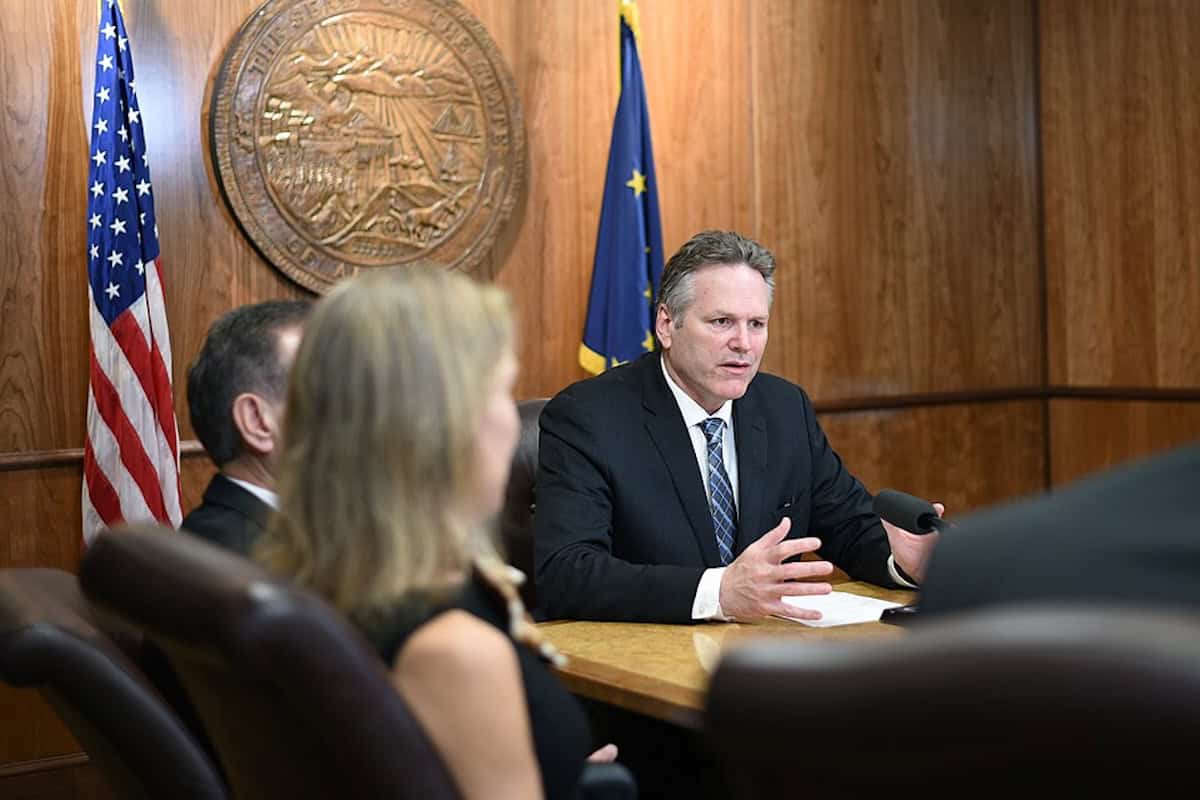
Alaska Governor Dunleavy Vetoes SB 24, Honoring Taxpayer Protection Pledge
Alaska Governor Mike Dunleavy vetoed Senate Bill 24 on June 28, 2026, blocking a proposed $60 million annual tax on vaping products, arguing it would disproportionately burden small businesses and violate his Taxpayer Protection Pledge. The veto reverses a legislative push to fund education programs through excise taxes on e-cigarettes and vapes, leaving retailers and manufacturers in limbo while public health advocates warn of potential underage vaping risks.
Why Did Dunleavy Veto the Vape Tax?
Governor Dunleavy, a signer of Americans for Tax Reform’s Taxpayer Protection Pledge, framed the veto as a defense of Alaska’s economy. “This tax would have hit small businesses—especially convenience stores and vape shops—hard,” he said in a statement. “We’re already seeing retail closures in rural areas; adding a 60% tax on vaping products would accelerate that.”
According to the Alaska Department of Revenue, the proposed tax would have generated $60 million annually, earmarked for education funding. However, opponents argued the tax would disproportionately affect Indigenous-owned businesses and rural communities, where vaping is more prevalent.
Key figures:
- $60 million: Annual revenue projected from SB 24’s excise tax on vaping products.
- 60%: Estimated tax rate on vape products under the bill.
- 2026-2027: Fiscal year the tax would have taken effect.
- 120: Number of vape shops and convenience stores in Alaska currently operating at reduced margins.
How Will This Affect Alaska’s Economy?
The veto leaves a critical funding gap for Alaska’s education system, which relies on volatile oil revenues. According to the Alaska Legislative Finance Division, education funding has already been cut by $150 million since 2024 due to declining oil prices. The lost $60 million from the vape tax would further strain school districts, particularly in rural areas where per-pupil spending is already below the national average.
However, the veto may also prevent a wave of business closures. A 2025 report from the Alaska Small Business Development Center found that 30% of vape retailers in the state operate on margins below 10%. “A 60% tax would have pushed many of these businesses into the red,” said Sarah Chen, an economist with the Alaska Economic Development Association. “We’ve already seen three vape shops close in Anchorage this year due to rising costs.”
Regional impact:
- Anchorage: Home to 40% of Alaska’s vape retailers, facing potential job losses if tax had passed.
- Fairbanks: Rural vape shops rely on tourism; tax would have cut into discretionary spending.
- Juneau: Indigenous-owned businesses in the capital would have borne the brunt of compliance costs.
What Happens Next?
The Alaska Legislature can override Dunleavy’s veto with a two-thirds majority in both chambers. However, with the tax measure failing to secure enough votes in the House earlier this year, an override is unlikely. Legislators may instead pursue alternative funding sources, such as expanding the tobacco tax or targeting high-end alcohol sales.
Public health advocates, including the Alaska Department of Health, have criticized the veto, citing a 20% increase in youth vaping since 2024. “Without regulation, we risk seeing more underage use,” said Dr. Marcus Lee, director of the Alaska Youth Prevention Center. “But the economic harm to small businesses is real—we need a balanced approach.”
Legal and financial implications:
- Businesses: Vape retailers may face increased competition from black-market sellers if taxes had been imposed.
- Consumers: Prices for vaping products may remain stable, but public health campaigns could intensify.
- Education: School districts may need to explore cost-saving measures, such as shared services or reduced teacher salaries.
Who Benefits—and Who Loses?
Winners:
- Small business owners: Vape shop operators and convenience stores avoid a 60% tax hike.
- Rural communities: Indigenous-owned businesses in areas like Bethel and Kotzebue escape disproportionate financial strain.
- Consumers: No immediate price increases on vaping products.
Losers:
- Education funding: Schools lose a potential $60 million annually, forcing budget cuts.
- Public health advocates: Reduced regulatory pressure on vaping products.
- Oil-dependent revenue streams: The state must find alternative funding sources to replace lost education dollars.
Where to Turn for Guidance
Businesses affected by the veto—or preparing for potential future tax changes—should consult with financial and legal experts to navigate compliance and operational adjustments. Here are key resources:
[Alaska Small Business Development Center]: Offers free tax and regulatory compliance assistance for vape retailers and convenience stores. Learn more.
[Commercial Tax Law Firms in Anchorage]: Specializing in excise tax structuring and legislative impact analysis. Find a vetted attorney.
[Public Health Consultants for Vaping Regulations]: Helping businesses adapt to evolving state and federal vaping laws. CDC resources.
The Bigger Picture: What This Means for Tax Policy in Alaska
Dunleavy’s veto underscores a growing tension in Alaska’s fiscal strategy: balancing education funding with business survival. With oil revenues declining, lawmakers are increasingly turning to targeted excise taxes—only to face pushback from governors committed to tax cuts. The outcome may force Alaska to rethink its reliance on volatile revenue streams, potentially accelerating discussions on permanent funding solutions like a state income tax.

Historical context: This isn’t the first time Alaska has grappled with excise taxes. In 2022, Governor Dunleavy vetoed a proposed gas tax increase, citing economic harm to rural residents. The move led to a $200 million shortfall in transportation funding, forcing the state to issue bonds instead. The vape tax veto follows a similar playbook—prioritizing economic stability over targeted revenue generation.
Forward-looking warning: If the Legislature fails to secure alternative funding, Alaska’s education system could face deeper cuts, particularly in rural districts. Meanwhile, small businesses—already struggling with inflation—gain temporary relief. But without structural reforms, the state risks repeating past fiscal crises when oil prices dip again.
Final thought: “This veto isn’t just about vaping—it’s about how Alaska funds its future,” said Chen. “If lawmakers can’t find a sustainable way to replace lost revenue, we’ll see more of the same: short-term fixes that create long-term problems.” For businesses and communities navigating this uncertainty, proactive financial and legal planning is essential. Explore our directory for verified tax consultants, small business advisors, and public policy experts equipped to help you adapt.