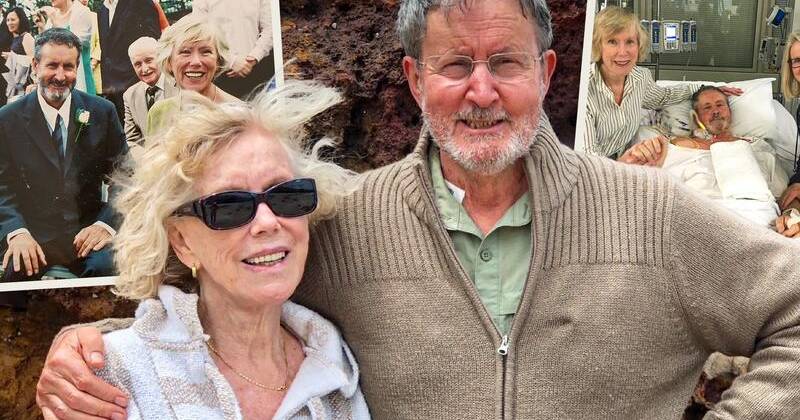
Alan Crawford Receives Heart Transplant Using Heart in a Box Technology
A retired bronze foundry owner who received a donor heart transported in a specialized perfusion device described the procedure as “like having a V8 put in an old V-dub,” according to The Canberra Times.
Key Clinical Takeaways:
- Alan Crawford underwent a successful heart transplant in 2018 at St Vincent’s Hospital in Sydney after suffering from dilated cardiomyopathy and an enlarged, failing organ.
- The donor heart was preserved using “heart in a box” technology, keeping the organ beating and oxygenated outside the body rather than on ice.
- Only 125 heart transplants were performed in Australia in 2025, while an estimated 420,000 Australians live with heart failure, according to data cited by the Heart Research Institute.
Heart Failure and Implanted Defibrillator Shocks
Alan Crawford was 76 years old and noted he was healthier than he had been in three decades following his surgery, which replaced a heart pumping at just 10 per cent capacity. His cardiac issues began in his mid-40s with an irregular heartbeat, culminating in a stroke at age 50. As the condition progressed into dilated cardiomyopathy, his heart became severely enlarged and weakened.
He was fitted with an implanted defibrillator to manage potentially fatal rhythms, but the device delivered unpredictable and brutal shocks. Over the years, it fired 26 times without warning. “You’re walking in public and there’s a sniper or something there and all of a sudden you just get whacked,” he told The Canberra Times.

The sudden attacks caused him to collapse while checking airport luggage and working near the furnaces at his foundry, eventually forcing him to retire from the business that produced the bronze castings for the World War I soldier statues on Sydney’s Anzac Bridge.
By 2018, transferred from Royal Prince Alfred Hospital to St Vincent’s in Sydney, doctors informed him that a transplant remained his only survival option after he suffered another cardiac episode upon arrival.
Pioneering Perfusion and Transplant Surgery
Within days of his transfer and before officially joining the waiting list, medical staff offered him a donor organ transported via pioneering technology that maintained the heart beating and supplied with oxygenated blood outside the body. He became the 26th recipient of a heart using this preservation method and noted he was the first to receive one that underwent an angiogram while inside the machine.
While a family history of heart disease might have otherwise excluded the organ, the machine-based examination verified its health. Facing severe prognosis, he agreed immediately.
“The anaesthetist caught up with me about three days later and said, ‘You’re the most eager guy I’ve ever seen jumping on the operating table to have your heart cut out’,” he told The Canberra Times. Discharged 13 days post-surgery, his new heart now pumps at roughly 65 per cent efficiency, eliminating the need for a pacemaker or defibrillator.
Regenerative Research and Transplant Limitations
Despite advancements, transplant recipients represent a small fraction of those affected by advanced cardiac disease. Heart Research Institute scientist Nicholas Lam said that Crawford is among a fortunate minority, pointing out that 2025 saw only 125 heart transplants performed in Australia against an estimated 420,000 Australians living with heart failure.
Dr Lam leads an investigation at the institute’s Cardiac Biology and Regeneration Lab exploring ways to encourage damaged adult hearts to repair themselves by reactivating genes active in early developmental stages using modified RNA technology.
This advanced care took place at St Vincent’s Hospital, an institution with a long history of medical milestones. Established in 1857 by five Irish Sisters of Charity, the hospital performed the first Australian heart transplant in 1968.
It was also the first Australian hospital to implement a successful cardiac transplant program, including the 1984 transplant of Fiona Coote, who was the first female and youngest heart transplant recipient in the country at that time.
Disclaimer: The information provided in this article is for educational and scientific communication purposes only and does not constitute medical advice. Always consult with a qualified healthcare provider regarding any medical condition, diagnosis, or treatment plan.