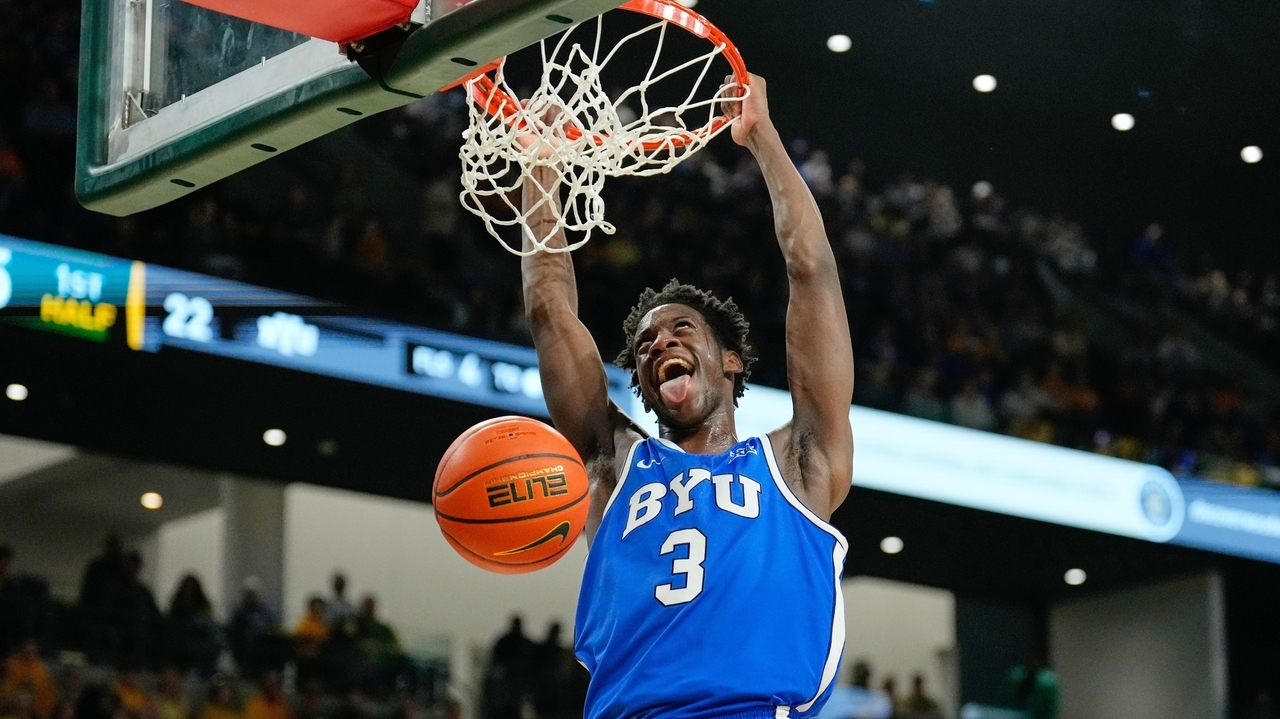
AJ Dybantsa: 2026 NBA Draft Class Among Best in League History
The 2026 NBA Draft, featuring standout prospects like AJ Dybantsa and Darryn Peterson, is positioned as one of the strongest in league history. Following the May 10 lottery in Chicago, the Washington Wizards, Utah Jazz, and Memphis Grizzlies secured the top three picks for the upcoming June draft.
In the world of professional sports, a “generational” draft class is more than a scouting narrative; We see a massive shift in franchise equity. When a talent pool is this deep, the draft ceases to be a simple player acquisition and becomes a strategic capital allocation event. The ability to secure a cornerstone asset can instantaneously inflate a team’s market valuation and alter its trajectory for a decade.
The financial pressure accompanying these picks is immense. For the Washington Wizards, holding the first overall selection is a mandate to stabilize a brand. The transition from a rebuilding phase to a competitive one requires more than just talent on the court; it requires a sophisticated legal framework to manage rookie scale contracts and endorsement complexities. This is where the intersection of sport and commerce becomes volatile, often necessitating the intervention of elite sports law firms to navigate the intricate Collective Bargaining Agreement (CBA) and ensure that the player’s entry into the league is seamless, and compliant.
The High-Stakes Valuation of Generational Talent
AJ Dybantsa has already set the tone for the class, claiming the 2026 group is among the best the league has ever seen. From a business perspective, Dybantsa represents the ideal “blue chip” asset. He isn’t just a player; he is a multifaceted offensive engine capable of driving ticket sales and merchandise revenue from day one.
“The Wizards will continue to evaluate Dybantsa, Darryn Peterson, Cameron Boozer and Caleb Wilson closely. I suspect their deliberations and data collection will lead them to Dybantsa. He is someone the Wizards don’t have on their roster: a multifaceted offensive wing who can score adeptly at all three levels.” — Josh Robbins
The “data collection” Robbins mentions is the modern boardroom approach to scouting. Teams are no longer relying solely on eye tests; they are employing advanced analytics to project the long-term ROI of a draft pick. For a franchise like Washington, the decision to pivot toward a wing who can score at three levels is a move to optimize their offensive efficiency metrics. However, the risk of “busting” a number-one pick remains a significant fiscal liability. A failed investment at this level doesn’t just cost the team wins; it creates a vacuum in brand momentum and can lead to a decline in local broadcasting valuations.
To mitigate these risks, franchises are increasingly leaning on corporate consultancy firms to align their on-court strategy with their long-term business goals. The objective is to ensure that the player’s arrival triggers a corresponding increase in corporate sponsorships and luxury suite renewals.
Strategic Fit vs. Raw Production
While the Wizards weigh the versatility of Dybantsa, the Utah Jazz find themselves in a different strategic position. Holding the second pick, the Jazz are looking for a specific void to fill. The tension between taking the “Best Player Available” (BPA) and the “Best Fit” is a classic management dilemma.

“Peterson is one of the best natural scorers to come into the league in years. And the Jazz just so happen to not have a starting-level shooting guard on their roster. The fit is seamless, and he’s the best player available, a rare double-win.” — Tony Jones
Darryn Peterson represents a “double-win” because his skill set aligns perfectly with the Jazz’s current roster deficiencies. In financial terms, this is akin to a company acquiring a subsidiary that possesses the exact technology needed to complete a product line. The synergy increases the overall value of the organization more than a generic, high-value asset would. When a player like Peterson is projected to be in the running for Rookie of the Year, the marketing potential skyrockets.
This surge in visibility creates an immediate need for sports marketing agencies. The window to capitalize on a rookie’s initial hype is narrow. Agencies must move quickly to secure high-value partnerships and global brand alignments before the player’s narrative shifts from “rising star” to “established veteran.” The ability to monetize a player’s image rights effectively can provide a secondary revenue stream that benefits both the athlete and the franchise’s overall ecosystem.
The Fiscal Volatility of the Rookie Scale
The 2026 class isn’t just a talent windfall; it’s a financial puzzle. The NBA’s rookie scale contracts provide a level of cost certainty, but they also create a ticking clock. Teams must maximize the value of these controlled contracts before the players hit their first major extension phase, where salaries can jump from a few million to a significant percentage of the salary cap.
For the athletes—Dybantsa, Peterson, and Cameron Boozer—the sudden influx of wealth is a double-edged sword. The transition from college athletics to professional stardom often leads to poor capital management. The volatility of a professional sports career means that the first few years of earnings are the most critical for long-term stability. This creates a massive demand for specialized wealth management firms that understand the specific tax implications of playing in multiple states and the complexities of managing endorsement income.

The broader market is watching closely. The success of this draft class will likely influence how institutional investors view the valuation of NBA franchises. As the league continues to expand its global footprint, the presence of “generational” stars acts as a catalyst for international growth and increased market capitalization for team owners.
As we approach the June draft, the conversation will move from lottery predictions to final board rankings. The Washington Wizards, Utah Jazz, and Memphis Grizzlies are now holding the keys to their respective futures. Whether they prioritize the versatility of Dybantsa or the scoring prowess of Peterson, the goal remains the same: asset appreciation. In a league where the margin between a championship and a lottery pick is razor-thin, the business of the draft is the only game that truly matters.
For organizations looking to navigate the complexities of high-value asset management or those seeking the legal and financial infrastructure to support rapid growth, the World Today News Directory provides a curated gateway to vetted B2B professional services capable of handling the demands of the modern corporate landscape.