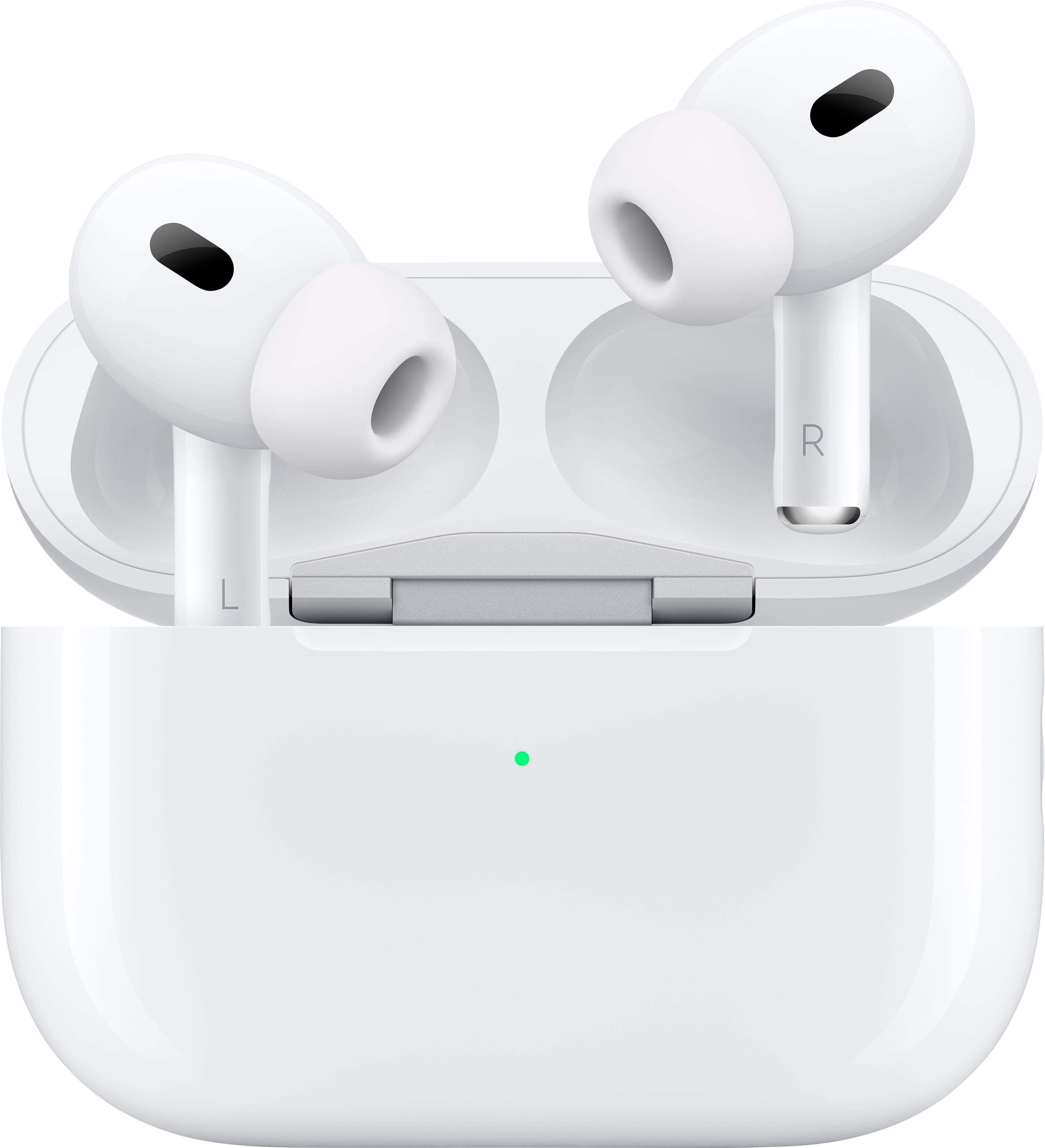
AirPods-Sized Device Enables Rapid Home Molecular Testing
A novel, compact fluorescence analytical device, comparable in size to a pair of wireless earbuds, is demonstrating the potential to bring high-sensitivity molecular diagnostics directly into the home. By miniaturizing the optical components required for fluorescence detection, researchers are aiming to reduce the latency currently inherent in traditional laboratory-based molecular testing, which typically requires transporting samples to centralized facilities.
Key Clinical Takeaways:
- The device utilizes a miniaturized fluorescence detection system to identify molecular markers, potentially enabling rapid point-of-care testing for infectious diseases and chronic conditions.
- By integrating optical sensing with smartphone connectivity, the technology aims to bridge the gap between home-based sample collection and clinical-grade diagnostic accuracy.
- Current research focuses on optimizing signal-to-noise ratios in portable formats to ensure results align with established gold-standard assays used in professional clinical environments.
The Mechanics of Miniaturized Molecular Diagnostics
Molecular testing, the standard of care for identifying viral pathogens and specific biomarkers, relies on the precision of fluorescence spectroscopy. Traditionally, this requires benchtop equipment capable of maintaining strict thermal conditions and precise optical alignment. According to recent findings published in ACS Sensors, the new device overcomes the spatial constraints of traditional systems by employing a custom-engineered optical stack that fits within a consumer-electronics form factor.
The innovation, developed by researchers at the University of Illinois Urbana-Champaign and funded by the National Institutes of Health (NIH), relies on a smartphone’s camera sensor to capture the light emitted by molecular probes. By utilizing the phone as both a processor and a display, the hardware requirements for the testing unit are drastically reduced. Dr. Brian Cunningham, the lead researcher on the project, notes that the goal is to provide diagnostic capabilities that do not sacrifice sensitivity for portability. “The challenge has always been achieving the same low limit of detection found in a hospital lab without the massive, expensive machinery,” Cunningham stated during project briefings.
Addressing Clinical Gaps in Home-Based Testing
The transition from centralized diagnostic hubs to home-based testing presents significant challenges in maintaining assay integrity and data security. The current clinical workflow for molecular diagnostics, such as PCR or isothermal amplification, is highly sensitive to environmental contaminants. For patients managing chronic inflammatory conditions or recurring infections, the ability to monitor biomarkers at home could facilitate more responsive care protocols. However, ensuring that these home-grown results are actionable requires integration with existing electronic health records.
For patients who are currently managing complex diagnostic journeys, maintaining a relationship with a board-certified diagnostic specialist remains the standard for interpreting data. While home-based analytical devices promise speed, the clinical interpretation of molecular data often involves complex variables, including the patient’s baseline health status and potential contraindications. Diagnostic centers that offer telemedicine support are increasingly necessary to help patients transition from raw data points to informed clinical decisions.
Regulatory Hurdles and Pathogenesis Analysis
Moving this technology from a research prototype to a commercial diagnostic tool requires rigorous validation against existing FDA-cleared assays. The path to clinical utility involves establishing that the device’s limit of detection (LoD) is sufficient to identify pathogens at low viral loads, thereby preventing false negatives. In the context of infectious disease, the pathogenesis of a condition often dictates the required sensitivity of a test; early-stage infection detection is critical for the efficacy of antivirals and other therapeutic interventions.
Pharmaceutical distributors and diagnostic manufacturers are currently auditing their supply chains to accommodate a potential shift toward decentralized testing. Companies operating in this space are frequently retaining healthcare compliance attorneys to manage the regulatory complexities of the Clinical Laboratory Improvement Amendments (CLIA) and to ensure that home-based tests meet the stringent requirements for emergency use authorization or full market clearance. The integration of such devices into the standard of care will depend heavily on the ability of manufacturers to prove that the home environment does not introduce variables that compromise the analytical validity of the test.
Future Trajectory of Portable Molecular Sensing
The development of an AirPods-sized fluorescence analytical device represents a significant step toward the democratization of diagnostic data. As the technology moves through successive iterations, the focus will likely shift toward multi-plexing—the ability to test for multiple pathogens or biomarkers simultaneously from a single sample. This capability would mirror the diagnostic depth of modern hospital labs while operating within the constraints of a portable, consumer-accessible package.
As the landscape of diagnostic technology evolves, the role of the primary care provider is expected to shift toward the synthesis of data generated outside the clinic. Patients are encouraged to consult with vetted internal medicine physicians to discuss how emerging home-testing technologies can be safely integrated into their personal health management plans. Scientific progress in this field continues to highlight the necessity of combining advanced engineering with established clinical oversight to improve patient outcomes.
Disclaimer: The information provided in this article is for educational and scientific communication purposes only and does not constitute medical advice. Always consult with a qualified healthcare provider regarding any medical condition, diagnosis, or treatment plan.