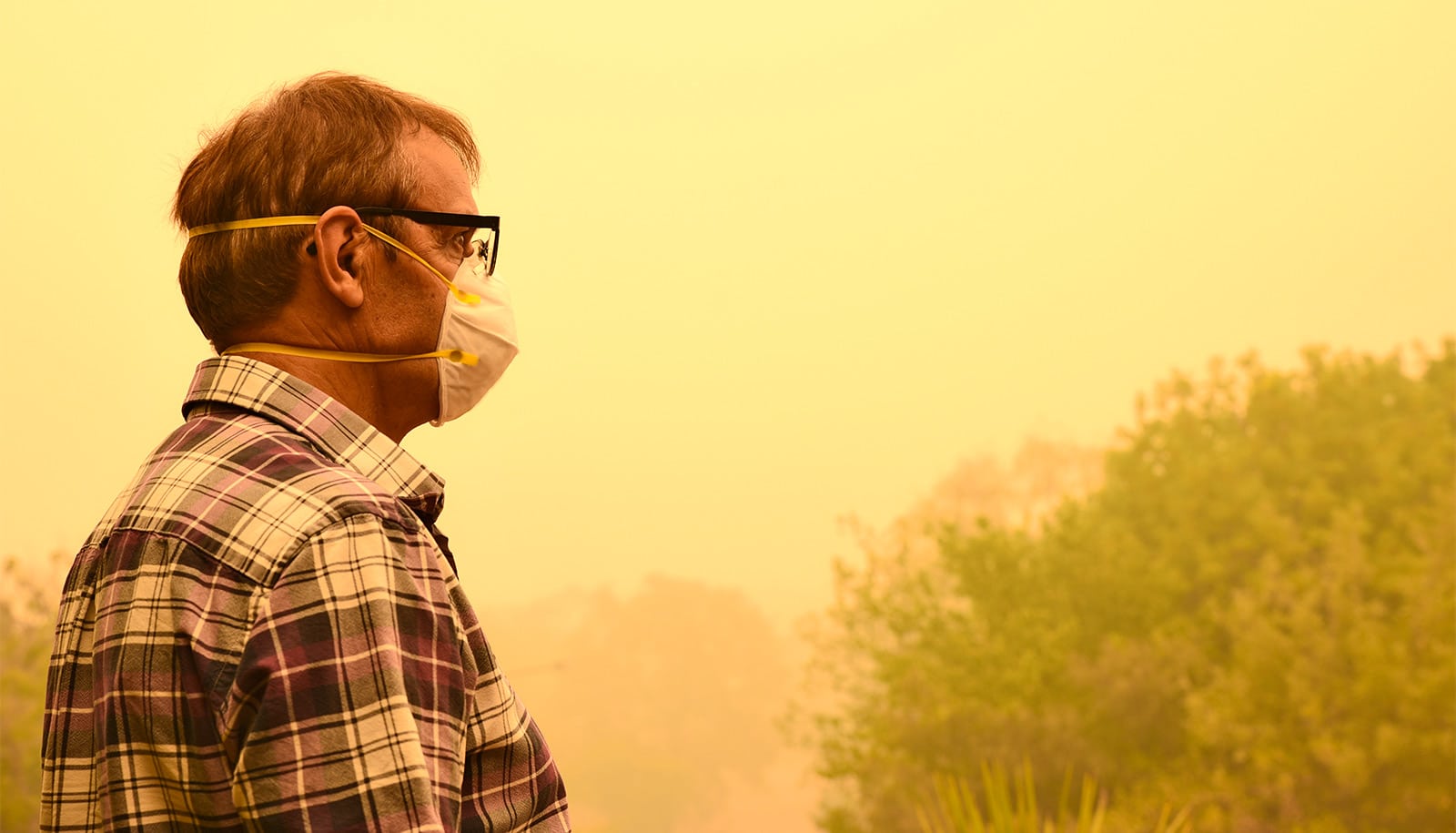
Air Pollution Linked to Increased Risk of Post-Surgical Complications
Air Pollution and Surgical Complications: A Growing Clinical Risk
New research reveals a troubling link between particulate air pollution and post-surgical complications, with patients exposed to elevated PM2.5 levels in the week before surgery showing an 8% increase in relative risk for major medical issues. The findings, based on nearly 50,000 procedures in Utah’s Wasatch Front—a region notorious for its wintertime air inversions—suggest that even brief exposure to unhealthy air quality may compromise surgical recovery. For patients and clinicians alike, this data underscores the need for proactive air quality monitoring and potential surgical timing adjustments in high-risk areas.
Key Clinical Takeaways:
- Patients exposed to PM2.5 levels above EPA daily limits in the week before surgery face a 25% higher absolute risk of post-surgical complications (from 4.8% to 6.2%).
- Every 10 microgram increase in PM2.5 correlates with an 8% relative risk increase for complications, including sepsis, pneumonia and wound infections.
- Fine particulates (PM2.5) can cross into the bloodstream, triggering systemic inflammation that may impair surgical recovery across multiple organ systems.
How Air Pollution Compromises Surgical Recovery
The study, published in Acta Anaesthesiologica Scandinavica, analyzed data from 49,615 non-emergency surgeries performed on Utah’s Wasatch Front between [unspecified timeframe]. Researchers used a combination of EPA air quality sensors, state-level monitoring stations, and satellite data to estimate PM2.5 exposure at patients’ home addresses for the seven days preceding surgery. The findings reveal a clear dose-response relationship: the higher the pollution, the greater the risk.
Fine particulate matter (PM2.5)—particles small enough to penetrate deep into the lungs and enter the bloodstream—appears to drive this effect through multiple pathophysiological pathways. “Particles of this size or smaller can get down to the smallest part of the lung,” explains Nathan Pace, MD, professor of anesthesiology at the University of Utah and coauthor of the study. “Some of it will cross into the blood and it can end up anywhere in your body: your brain, your heart, your liver, your kidneys.” This systemic exposure triggers a cascade of inflammatory responses, placing additional stress on already vulnerable patients in the perioperative period.
“The perioperative window is a critical period where patients are already physiologically stressed. Adding environmental insults like air pollution may tip the balance toward complications, particularly in patients with preexisting conditions.”
— Dr. Emily Chen, MD, PhD
Director of Perioperative Medicine Research
Johns Hopkins University School of Medicine
The Epidemiological Context: A Growing Problem
While Utah’s Wasatch Front experiences some of the worst air quality in the U.S., this study’s findings align with broader epidemiological trends. Recent data from the CDC’s National Environmental Public Health Tracking Network shows that approximately 120 million Americans—nearly 40% of the population—live in counties with unhealthy air quality for at least part of the year. The implications for surgical care are significant, particularly in urban centers and regions prone to wildfire smoke or industrial pollution.
The study’s composite measure of complications—including sepsis, pneumonia, and surgical site infections—highlights the broad impact of air pollution on postoperative morbidity. However, the researchers acknowledge that their data cannot establish causality. “A caveat in any observational study is that there might be a relevant factor that affects both the exposure and the outcome,” notes Pace. “For example, patients with chronic lung disease may be both more susceptible to air pollution and more prone to complications after surgery.”
Biological Mechanisms: How PM2.5 Disrupts Recovery
The biological pathways through which air pollution may impair surgical recovery are increasingly well understood. PM2.5 exposure has been linked to:
- Systemic inflammation: Particles trigger the release of pro-inflammatory cytokines (e.g., IL-6, TNF-α), which can delay wound healing and increase infection risk. A 2019 meta-analysis in Environmental Health Perspectives found that PM2.5 exposure was associated with elevated systemic inflammatory markers in healthy individuals.
- Endothelial dysfunction: Studies show PM2.5 can impair vascular function, reducing oxygen delivery to tissues—a critical factor in surgical recovery. Research in JAMA Cardiology demonstrated that long-term exposure to high PM2.5 levels was associated with a 22% increased risk of cardiovascular events in the postoperative period.
- Immune suppression: Animal models suggest PM2.5 may suppress T-cell function, reducing the body’s ability to fight infections—a major contributor to postoperative sepsis. A 2021 study in Nature Reviews Immunology highlighted this mechanism as a potential link between air pollution and infectious complications.
Clinical Implications: When and How to Act
The study’s authors emphasize that their findings should not deter patients from necessary surgeries. Instead, they call for a more nuanced approach to perioperative care in high-pollution areas. “This research provides another reason to take air quality seriously, especially for vulnerable populations,” says John Pearson, MD, first author and clinical associate professor at Stanford Medicine. “For now, standard precautions—like using high-quality air purifiers at home and avoiding outdoor activities during inversion events—are a healthy choice for everyone, whether or not they’re facing surgery.”
For Clinicians and Healthcare Systems:
Healthcare providers in regions with persistent air quality challenges may consider the following strategies:

- Preoperative air quality screening: Integrate real-time PM2.5 monitoring into preoperative assessments, particularly for patients with cardiopulmonary comorbidities. [Relevant Clinic: Perioperative Air Quality Consulting Services at [University of Utah Health] offers specialized risk assessments for surgical patients in high-pollution zones.]
- Surgical scheduling adjustments: Delay non-urgent procedures during periods of elevated air pollution, especially in regions prone to inversions or wildfire smoke. [Relevant Service: Environmental Health Compliance Attorneys at [Holland & Knight] can assist hospitals in navigating regulatory requirements for air quality-related surgical delays.]
- Enhanced postoperative monitoring: Implement extended observation protocols for patients undergoing surgery during high-pollution periods, with particular attention to signs of infection or respiratory distress. [Relevant Clinic: Postoperative Care Optimization Programs at [Cedars-Sinai Medical Center] specialize in high-risk surgical recovery protocols.]
Funding and Transparency
The research was supported by multiple institutions to ensure rigorous, independent analysis:
- A University of Utah Wilkes Center for Climate Science & Policy seed grant, which funded the initial data collection and analysis.
- The National Science Foundation, which provided resources for air quality modeling and statistical analysis.
- The National Institutes of Health (NIH), including grants from the National Institute of Environmental Health Sciences (NIEHS) and the National Cancer Institute (NCI), which supported the study’s epidemiological framework.
This multi-source funding structure aligns with the study’s emphasis on public health impact, ensuring that the findings are not influenced by industry biases. The research team included faculty from the University of Utah’s School of Medicine, the College of Social and Behavioral Science, the University of Nevada, Reno, and Columbia University, reflecting a collaborative approach to addressing this growing clinical concern.
The Future: Toward Precision Perioperative Care
As air quality continues to degrade in many regions—driven by climate change, urbanization, and industrial activity—the link between pollution and surgical outcomes may become even more pronounced. Future research should focus on:
- Surgery-specific risk stratification: Identifying which procedures (e.g., cardiac, thoracic, or abdominal surgeries) are most vulnerable to air pollution-related complications.
- Personalized exposure mitigation: Developing targeted interventions, such as preoperative air purification protocols or inhaled anti-inflammatory therapies, for high-risk patients.
- Policy integration: Collaborating with environmental health agencies to establish air quality thresholds for surgical scheduling, similar to how some hospitals already adjust procedures based on blood type availability or organ transplant matching.
For now, the most actionable step for clinicians and patients alike is awareness. “This study adds to the growing body of evidence that air pollution is not just an environmental issue—it’s a public health crisis with direct implications for healthcare delivery,” says Dr. Chen. “The good news is that many of the solutions—like improving air filtration in hospitals and homes, or adjusting surgical schedules—are already within our reach.”
Disclaimer: The information provided in this article is for educational and scientific communication purposes only and does not constitute medical advice. Always consult with a qualified healthcare provider regarding any medical condition, diagnosis, or treatment plan.