Air India Phuket-Delhi Flight: Technical Glitches and Hydraulic Failure Explained
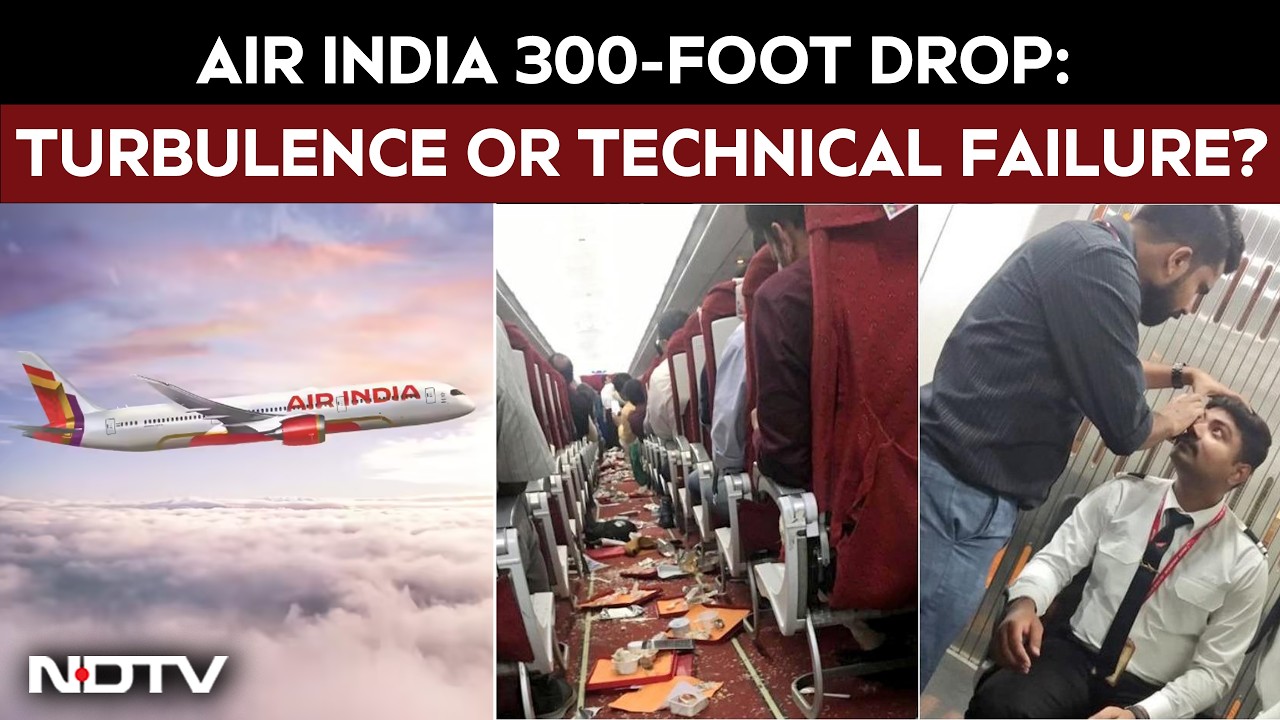
On August 4, 2026, Air India flight AI 2379 traveling from Phuket to New Delhi suddenly lost 300 feet in altitude during cruise, injuring 17 people on board. According to investigations covered by Firstpost and CNBCTV18, the Airbus A320 encountered severe technical malfunctions, including a temporary triple hydraulic failure and autopilot disconnection, rather than turbulence or pilot intoxication as initially rumored.
The Mid-Air Plunge and Cabin Chaos on Flight AI 2379
The routine journey for 137 passengers and eight crew members turned into a sudden emergency two-and-a-half hours after departing Phuket. According to accounts detailed by Firstpost and CNBCTV18, the Airbus A320 dropped 300 feet in seconds, sending luggage tumbling from overhead bins and throwing passengers and crew members upward. Passenger Shrikant Jha described hearing an unusual disturbance sound lasting about 10 seconds before the aircraft shook and dropped abruptly. Another passenger, Minchen, noted that individuals were thrown into the air, hitting their heads. The rapid descent left 17 people injured, including passengers and cabin staff. The aircraft ultimately stabilized and landed safely in Delhi, where injured individuals received medical attention at local facilities such as Fortis Hospital.

Examining the Technical Malfunctions and Hydraulic Failures
Initial speculation pointed toward turbulence or pilot impairment, but subsequent findings shifted scrutiny to onboard mechanical issues. According to Capt. Sam Thomas, President of the Airline Pilots’ Association of India (ALPA India), post-flight report data indicates that all three hydraulic systems temporarily failed for approximately six seconds at 0402. CNBCTV18 reported that this reported hydraulic failure was followed by a stall warning and the disconnection of the autopilot. The pilot flying responded by pushing the aircraft’s nose down, which Thomas identified as the standard procedure for a stall warning. Modern passenger aircraft utilize pressurized hydraulic fluid to operate flight controls, landing gear, and brakes, relying on redundant systems. An event involving a temporary triple system failure remains highly unusual and forms a core focus of ongoing inquiries.

Regulatory Investigations and International Oversight
India’s Aircraft Accident Investigation Bureau (AAIB) launched a formal probe into the incident under Annexure 13 of the International Civil Aviation Organization (ICAO), classifying the event as serious. External agencies are also participating in the review. France’s Bureau of Enquiry and Analysis for Civil Aviation Safety (BEA) joined the inquiry alongside technical experts from aircraft manufacturer Airbus. Meanwhile, the civil aviation ministry addressed separate public discussions regarding the pilot’s drug screening. The aviation ministry noted on August 9 that the pilot underwent confirmatory testing after an initial screening returned a non-negative result, with final confirmatory results still awaited. ALPA India emphasized that commonly used over-the-counter medications can sometimes yield non-negative screenings during preliminary psychoactive substance testing, underscoring the necessity of waiting for definitive laboratory results before drawing conclusions.
As the AAIB and international aviation authorities continue parsing flight data recorders and post-flight reports, the final findings will determine the exact sequence of mechanical events that preceded the six-second hydraulic disruption on August 4. Until those definitive technical reports are released, the incident remains a stark reminder of the critical importance of standard safety procedures, strict adherence to seatbelt protocols during flight, and rigorous mechanical oversight across commercial fleets.