Air Conditioning in Romania: Costs, Usage Trends and Urban Cooling Solutions
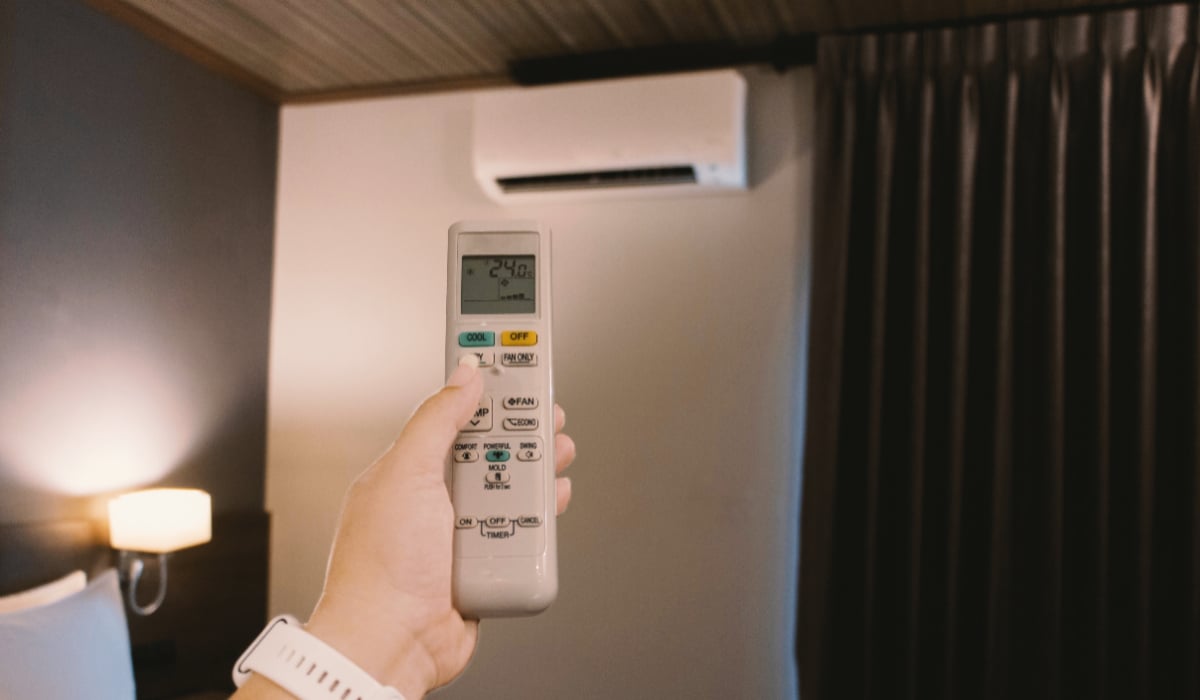
Running an air conditioner overnight during the July 2026 heatwaves costs Romanian residents only a few lei per day, according to Ziare.com. But while the individual bill is low, the systemic cost is mounting. From the saturation of cooling units in Bucharest to a stark void in Harghita, where G4Media reports that less than 1% of homes possess AC units, Romania is facing a fragmented climate adaptation crisis.
The Math of a Cool Night
Consumers often overestimate the financial hit of overnight cooling. Libertatea provided specific calculations for eight-hour operation cycles, noting that the final price fluctuates based on local electricity tariffs and the energy efficiency rating of the unit. Despite this, Ziare.com identifies ten common mistakes users make that inflate their bills; correcting these errors can keep the daily cost down to those “few lei.”

A Map of Cooling Contrasts
The divide is geographic and systemic. In Bucharest, cooled interiors are a common luxury. In Transylvania, residents rely more on natural resistance to heat. The disparity peaks in Harghita, where the adoption rate remains below 1%.
It is a gap born of architectural legacy and shifting climate expectations. Chisăliță of the Asociația Energia Inteligentă (AEI) told Agerpres that Romania must modernize its district heating (termoficarea). The argument is simple: individual air conditioning is becoming too expensive and inefficient for the city’s overall energy health.
The Urban Heat Island Effect
Individual comfort comes with an environmental price tag. The AEI warns that thousands of individual AC units contribute to the “urban heat island” effect, effectively pumping heat back into the streets and raising the city’s outside temperature. G4Media has further raised alarms regarding the health impacts of sleeping in air-conditioned rooms and the environmental footprint of refrigerant gases.
Grid Stability and the Path to 2027
The AEI is clear: the current trajectory of individual AC adoption is unsustainable for the national grid. Romania requires comprehensive “urban cooling” strategies rather than a fragmented reliance on appliances that place an unsustainable load on infrastructure.
- Energy Efficiency: Proper maintenance can minimize the “few lei” daily cost identified by Ziare.com.
- Grid Stability: The AEI warns that individual adoption is reaching a breaking point.
- Regional Disparity: The gap between Bucharest and Harghita’s <1% adoption rate reveals a failed approach to climate adaptation.