AI system detects trichomoniasis with 93% accuracy in study
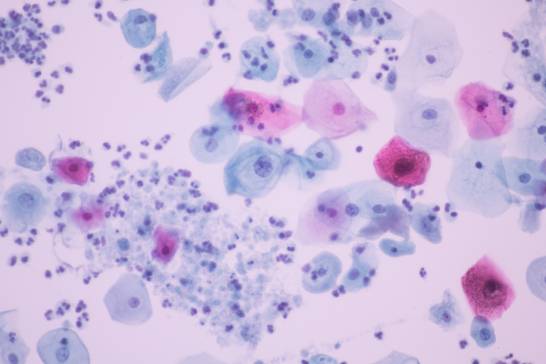
An artificial intelligence system developed in Spain correctly identifies 93 percent of positive cases for Trichomonas vaginalis using routine microscopic images, according to a study published in the journal Diagnostics.
Key Clinical Takeaways:
- Researchers at the Hospital Universitario Príncipe de Asturias and the University of Alcalá trained an algorithm using 380 microscopic images from standard Gram-stained vaginal smears.
- The diagnostic tool achieved a 93 percent accuracy rate in detecting positive cases without altering existing laboratory workflows or requiring new testing equipment.
- The infection affects an estimated 170 to 190 million people globally each year, frequently presenting without symptoms and carrying risks of severe reproductive complications.
Routine Microscopic Detection Rates Versus Algorithm Accuracy
Standard Gram-stained vaginal smears remain widely implemented across clinical laboratories for routine evaluations. However, identifying Trichomonas vaginalis through visual examination alone often presents challenges for microbiologists when cellular details prove difficult to recognize. To address this diagnostic gap, a research team led by the Hospital Universitario Príncipe de Asturias collaborated with the Health Computing and Intelligent Systems research group at the University of Alcalá to build an automated detection model.
The Microbiology Service at the hospital conducted an independent evaluation using 380 images to establish a reference standard. Engineers at the University of Alcalá utilized this dataset to train the algorithm in recognizing positive parasite cases from standard clinical imagery. The resulting system correctly flagged 93 percent of positive instances in the validation phase.
Global Prevalence Figures Versus Regional Spanish Data
While worldwide estimates place the annual incidence of trichomoniasis between 170 and 190 million cases, epidemiological data show notable regional variations. In Spain, the prevalence of the infection stands at 3 percent. Despite a lower percentage compared to other global areas, it continues to represent an important public health problem due to high rates of asymptomatic presentation.
Asymptomatic infections frequently delay clinical detection, which can facilitate ongoing transmission within communities. Without targeted screening tools or molecular assays, identifying silent infections during routine care remains difficult for healthcare providers.
Clinical Complications Versus Asymptomatic Presentation
Left untreated, trichomoniasis is associated with significant clinical complications, including pelvic inflammatory disease, infertility, premature delivery, and low birth weight in infants. The infection also elevates the risk for acquiring or transmitting other sexually transmitted infections, including HIV. Symptoms in symptomatic women typically involve abnormal vaginal discharge, itching, irritation, discomfort when urinating or during sexual intercourse.
Researchers indicate that the primary utility of the newly developed artificial intelligence system lies in its capacity to serve as a decision-support tool in laboratories with limited access to molecular testing methods. By flagging ambiguous or difficult-to-spot preparations during routine screening, the algorithm helps prioritize samples that require secondary evaluation or confirmatory molecular testing.
The research team plans to expand testing through prospective studies across diverse clinical care environments before attempting broader integration into standard hospital workflows. By extracting advanced diagnostic information from standard lab preparations that are already part of daily medical practice, the technology aims to maximize the clinical utility of existing samples.
The study demonstrates how artificial intelligence applications can be embedded into existing laboratory pathways without demanding new clinical circuits or specialized sample collection procedures. Further prospective trials will determine whether the algorithm maintains its accuracy across varied hospital settings.
Disclaimer: The information provided in this article is for educational and scientific communication purposes only and does not constitute medical advice. Always consult with a qualified healthcare provider regarding any medical condition, diagnosis, or treatment plan.