
AI Predicts Cancer Spread: New Tool Identifies Metastasis Risk & Personalizes Treatment
Geneva – Scientists at the University of Geneva (UNIGE) have developed an artificial intelligence tool, dubbed MangroveGS, capable of predicting the risk of cancer metastasis with nearly 80% accuracy, a breakthrough published this week in Cell Reports. The tool analyzes gene expression patterns in tumor cells to forecast the likelihood of cancer spreading, offering the potential for more personalized treatment strategies.
The research addresses a fundamental question in oncology: why some tumors remain localized while others metastasize, ultimately driving the vast majority of cancer-related deaths. Researchers focused on colon cancer cells, but early indications suggest the tool’s predictive power extends to other cancers, including stomach, lung, and breast cancers.
“The origin of cancer is often attributed to ‘anarchic cells’,” explained Ariel Ruiz i Altaba, professor in the Department of Genetic Medicine and Development at the UNIGE Faculty of Medicine, who led the study. “However, cancer should rather be understood as a distorted form of development.” His team’s work suggests cancer isn’t a random process, but rather a reactivation of biological programs typically suppressed during normal development.
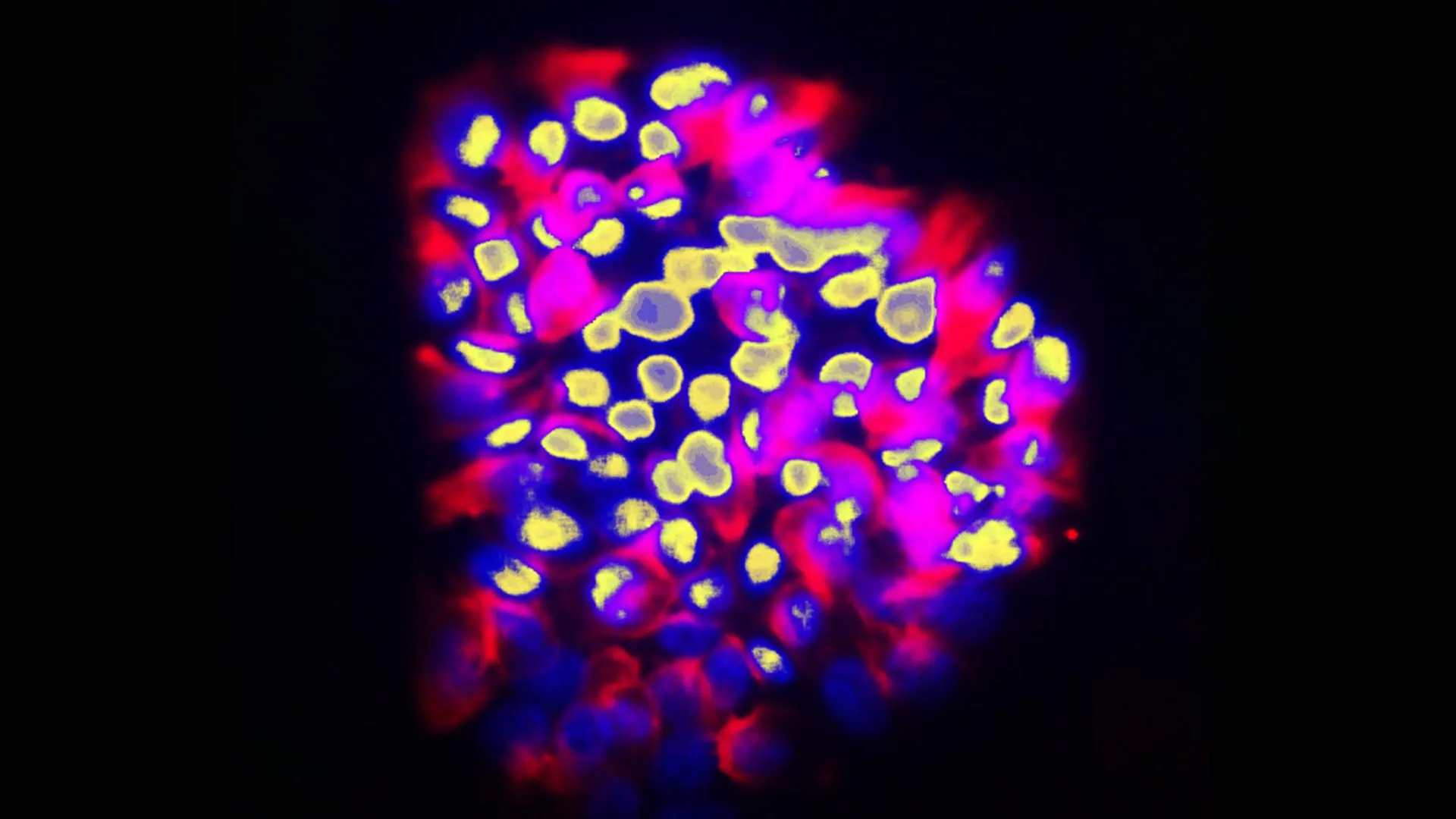
A key challenge in studying metastasis lies in observing a cell’s function without destroying it during analysis. To overcome this, the UNIGE team isolated, cloned, and grew tumor cells in the laboratory. These clones were then tested both in vitro and in mouse models to assess their metastatic potential. Analysis of approximately thirty cell clones from two primary colon tumors revealed distinct gene expression patterns correlated with a cell’s ability to migrate and spread.
“The great novelty of our tool, called ‘Mangrove Gene Signatures (MangroveGS)’, is that it exploits dozens, even hundreds, of gene signatures,” said Aravind Srinivasan, a researcher involved in the project. “This makes it particularly resistant to individual variations.” The AI model was trained on these gene signatures and demonstrated a high degree of accuracy in predicting both metastasis and cancer recurrence.
MangroveGS operates by analyzing RNA sequencing data from tumor samples, generating a metastasis risk score accessible to doctors and patients through a secure platform. Researchers envision the tool preventing overtreatment in low-risk patients, reducing unnecessary side effects and costs, while simultaneously enabling more intensive monitoring and treatment for those at higher risk.
The findings also have implications for clinical trial design. Ruiz i Altaba suggested the tool could optimize participant selection, potentially reducing the number of volunteers needed and increasing the statistical power of studies, ultimately accelerating the development of effective therapies. The research team is currently working to refine the tool and expand its application to a wider range of cancer types.