AI-Powered Pediatric Pneumonia Detection Using Google Cloud Vertex AI
Researchers evaluating diagnostic automation tools in pediatric medicine have published a proof-of-concept internal validation study in Cureus detailing the use of Google Cloud Vertex AI AutoML for code-free classification of pediatric pneumonia on chest radiographs. The evaluation addresses persistent bottlenecks in clinical imaging triage by testing whether machine learning models built without custom programming can accurately categorize pediatric chest X-rays. As healthcare networks look to alleviate strain on radiology departments, automated classification platforms offer a potential avenue to support rapid screening workflows.
Key Clinical Takeaways:
- The study evaluates Google Cloud Vertex AI AutoML for automated pediatric pneumonia classification using chest radiographs.
- Published in Cureus, the proof-of-concept internal validation explores code-free machine learning deployment in medical imaging.
- Automated diagnostic tools aim to assist clinical triage and reduce reporting delays in pediatric emergency settings.
Diagnosing pediatric pneumonia quickly and accurately remains a primary challenge in emergency departments and outpatient clinics. Standard diagnostic pathways rely on interpreting chest radiographs, a process subject to inter-observer variability and time constraints, particularly in under-resourced medical facilities. Delays in identifying consolidations or infiltrates can lead to delayed antibiotic administration or inappropriate treatment trajectories. To address these clinical gaps, investigators are turning to cloud-based machine learning frameworks that allow researchers to train image-recognition models without writing complex software code.
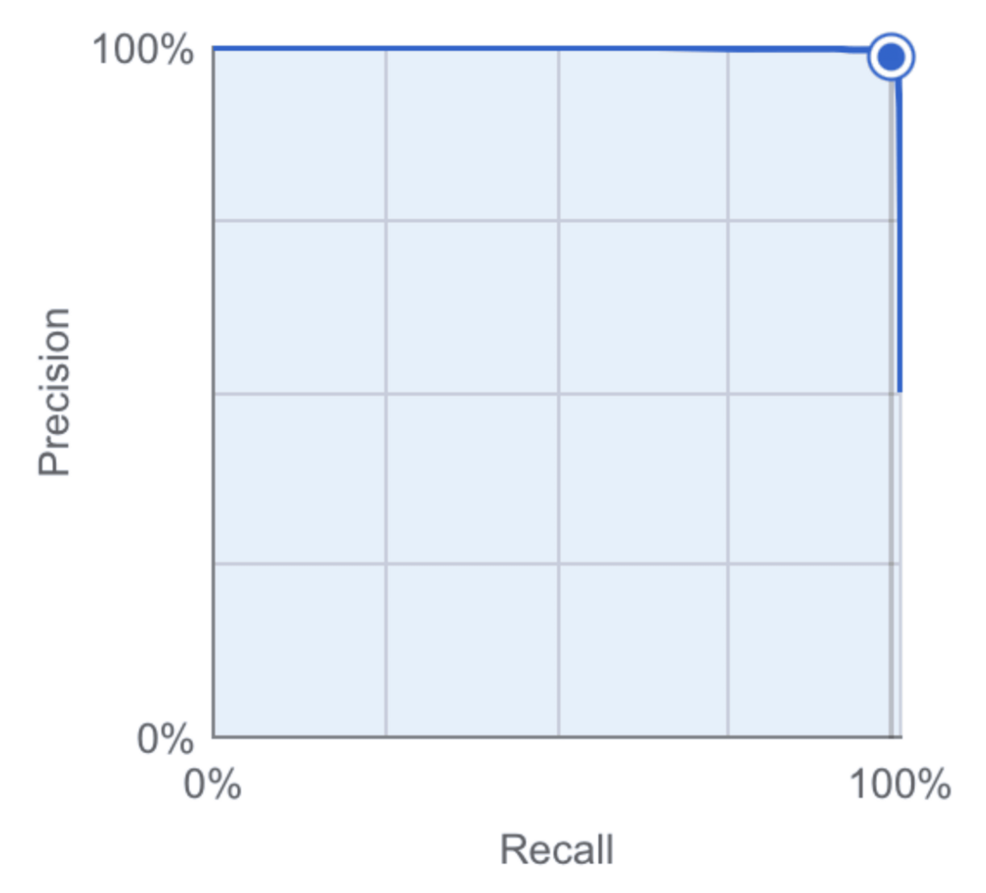
The study published in PubMed details the internal validation metrics of the automated tool, measuring its performance against established baseline standards of care. By leveraging cloud infrastructure, the platform ingests digital radiographs, processes pixel-level patterns associated with pulmonary pathology, and generates categorical classifications. This methodology lowers the technical barrier for clinical researchers seeking to prototype diagnostic algorithms without dedicating extensive engineering resources to custom neural network development.
Integrating artificial intelligence into radiology workflows requires rigorous validation to ensure clinical safety and accuracy. Health systems evaluating cloud-based diagnostic software must address data governance, patient privacy compliance, and interoperability with existing picture archiving and communication systems. For healthcare organizations exploring machine learning integration, consulting with specialized healthcare compliance attorneys and clinical informatics experts is critical to ensure regulatory adherence under current medical device frameworks.
As validation data matures, the successful translation of tools like Google Cloud Vertex AI AutoML from proof-of-concept studies to frontline clinical environments depends on multi-center external validation and prospective trials. Clinicians seeking guidance on diagnostic protocols and imaging standards can connect with vetted board-certified pediatric radiologists and diagnostic centers to review current best practices in managing respiratory infections.
Disclaimer: The information provided in this article is for educational and scientific communication purposes only and does not constitute medical advice. Always consult with a qualified healthcare provider regarding any medical condition, diagnosis, or treatment plan.