
AI-Powered Gas Price-Fixing Lawsuit: How Kalibrate Allegedly Enabled California Cartel Behavior
A proposed class action lawsuit filed in federal court alleges that major gas station operators, including Marathon, Circle K, BP, and Speedway, utilized Kalibrate’s fuel-pricing software to illegally coordinate retail price hikes. The complaint, which seeks to represent California drivers, claims the AI-driven system effectively functions as a digital cartel to suppress competition.
The Mechanics of Algorithmic Collusion
The core of the legal challenge centers on the assertion that retailers have moved from traditional, human-led price signaling to automated, high-frequency algorithmic coordination. The Kalibrate system purportedly acts as a “central nervous system” for pricing, discouraging operators from lowering costs to avoid triggering a “downward spiral.” By aggregating competitively sensitive cost and volume data, the software allegedly enables a collective pricing strategy that bypasses the need for explicit, interpersonal communication.

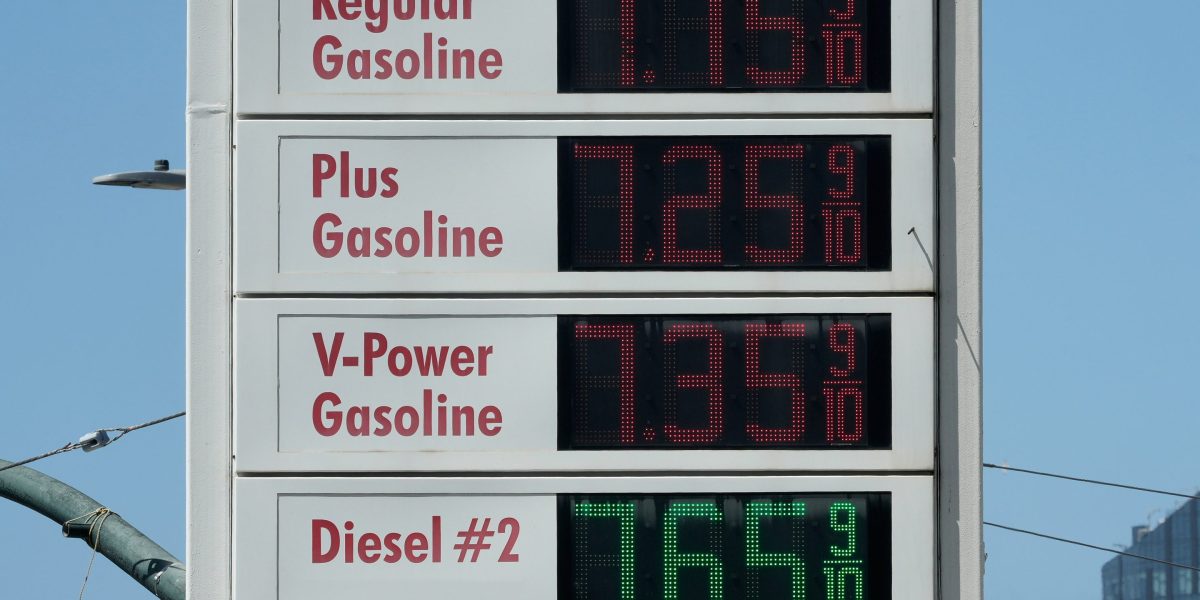
Research cited in the litigation suggests that markets saturated with such software experience average price increases of 6 cents per gallon, with some localized surges reaching 30 cents per gallon. With California’s massive fuel consumption volumes, even a nominal 1-cent increase carries significant fiscal weight. Plaintiffs estimate such systematic inflation drains approximately $134 million annually from the state’s consumer base.
Regulatory Precedent and the DOJ Shadow
This litigation follows a broader federal crackdown on the use of pricing algorithms to inflate essential costs. The Department of Justice (DOJ) has recently targeted similar data-sharing frameworks in other sectors, most notably the RealPage rent-setting controversy and the Agri Stats meatpacking investigation. While the DOJ has reached settlements in these prior instances, the California lawsuit leans on specific state-level legislative support. Last year, Gov. Gavin Newsom signed legislation explicitly clarifying that state antitrust laws extend to the use of pricing algorithms, providing a clear legal pathway for this week’s filing.
Market Impact and Institutional Exposure
The defendants named—which also include BP, Speedway, EG America, Walmart and Albertsons—operate over 1,700 stations in California. Fuel retail operates on high volume and optimized pricing strategies.
The lawsuit accuses Kalibrate of facilitating cartel-like collusion. According to the lawsuit, instead of competitors making a secret deal “over cigars in a smoky back room,” the price-fixing is done through AI.
Looking Ahead: The Cost of Automation
As the case progresses, the market will likely see a bifurcation in how retailers manage their pricing strategies.