AI Infrastructure Demand Complicates Just Energy Transition Efforts
Global demand for AI-driven infrastructure is intensifying the scramble for critical minerals, complicating international efforts to ensure a just and equitable energy transition.
- G7 members announced 195 critical-mineral projects worth €64 billion ($70 billion) during the first half of 2026.
- The World Bank plans to increase financing for metals and minerals to $19 billion between 2026 and 2030.
- Local refining could boost the value of mineral output in Latin America and the Caribbean by 45%.
While renewable energy systems initially drove the demand for minerals like lithium, cobalt, and copper, the rapid expansion of data centers and AI hardware has created competing pressures. UN Secretary-General António Guterres has warned that the AI boom risks pushing demand beyond initial projections.
Mining Operations Threaten Water Supplies and Human Rights
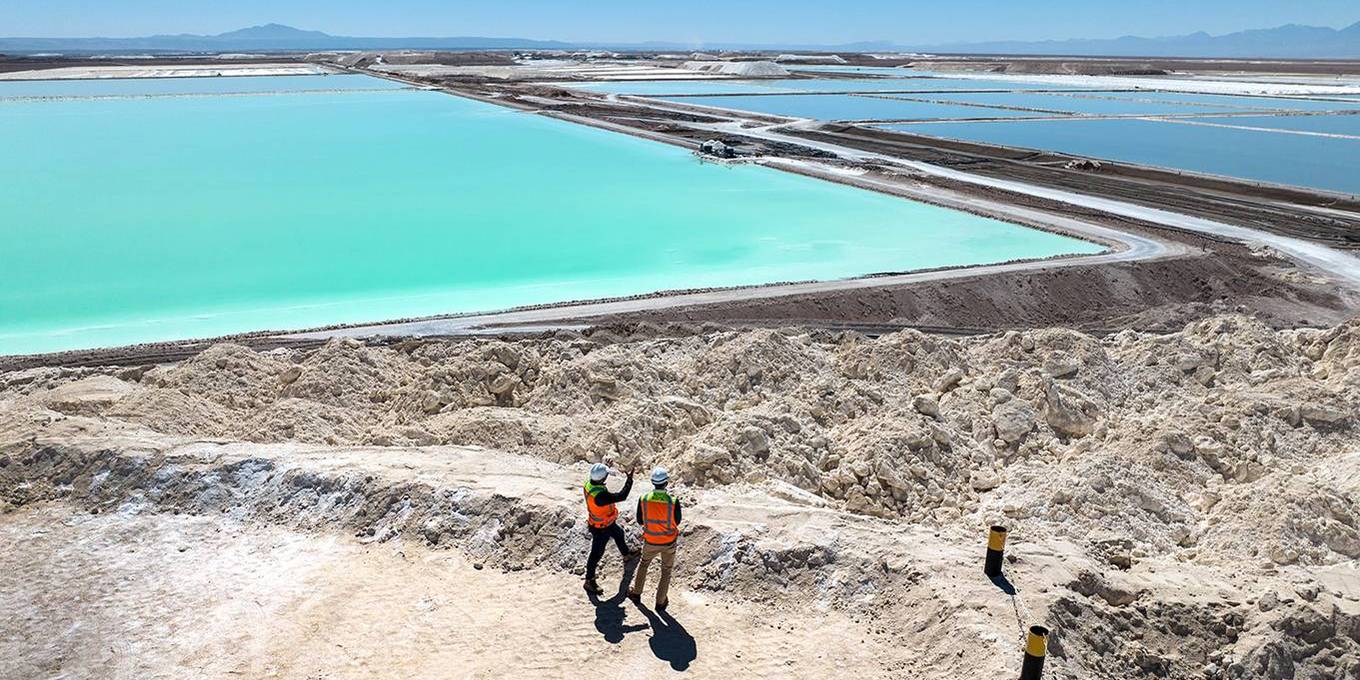
The environmental and human-rights costs of this extraction are rising in mineral-rich nations. In parts of Chile, copper and lithium mining operations already account for two-thirds of the regional water supply, while conflict over coltan extraction in the Democratic Republic of the Congo has resulted in significant loss of life. Critics argue that current debates surrounding AI safety often overlook the fact that mining serves as the fundamental starting point of the technology’s value chain.
Despite these risks, the transition remains an opportunity for developing nations to secure more equitable outcomes. The Just Transition Work Programme, adopted at the UN Climate Change Conference (COP31) in Antalya, explicitly links critical minerals to sustainable energy goals and promotes local value addition. However, the Natural Resource Governance Institute notes that only one in three value-addition projects in Africa has successfully secured the necessary financing.

International Leaders Demand Inclusive Mining Growth
These leaders emphasize that concerted action is essential to guarantee that the current surge in mining activity fosters more inclusive economic growth for developing nations.
The push for a new paradigm stems from a broader effort by Global South countries to use their vast mineral endowments to promote justice and equity. By using the high demand for resources required by the green transition, these nations are seeking to redefine how mining projects are managed and how their benefits are distributed globally.

Nvidia's Influence Complicates American Technological Hegemony
This intersection of corporate dominance and national security complicates international efforts to regulate the industry. As the AI sector continues to drive global demand for critical materials, the resulting competition for control over both the hardware and the underlying supply chains is forcing a reevaluation of how technological power is balanced against the needs of mineral-producing regions.
The article notes that conflict over coltan extraction in the Democratic Republic of the Congo has resulted in significant loss of life, a toll rooted in decades of struggle for mineral control. The Second Congo War from 1998 to 2003, which involved multiple armed groups and foreign armies competing for resource-rich territory in the east, caused an estimated several million deaths.
Instability persists, with over 120 armed groups remaining active in the eastern regions as of 2019, and the M23 rebels occupying the major city of Goma in 2012 and again since 2025 with military support from Rwanda, illustrating how mineral wealth continues to fuel violence and geopolitical tension.
Many of the more than 200 mining projects announced this year remain opaque, making it difficult for citizens to hold companies or governments accountable.
Ethiopia is expected to play a central role in shaping a new mechanism for these issues as the host of next year’s climate conference.
The chair of the African Group of Negotiators on Climate Change has proposed the development of a new minerals compact in partnership with the G20. This initiative could align with the United Kingdom’s 2027 G20 presidency, which has prioritized AI and debt reform as key components of its agenda.