
The AI Revolution: Redefining Work and the Future of Employment
Published: 2026/01/21 15:21:51
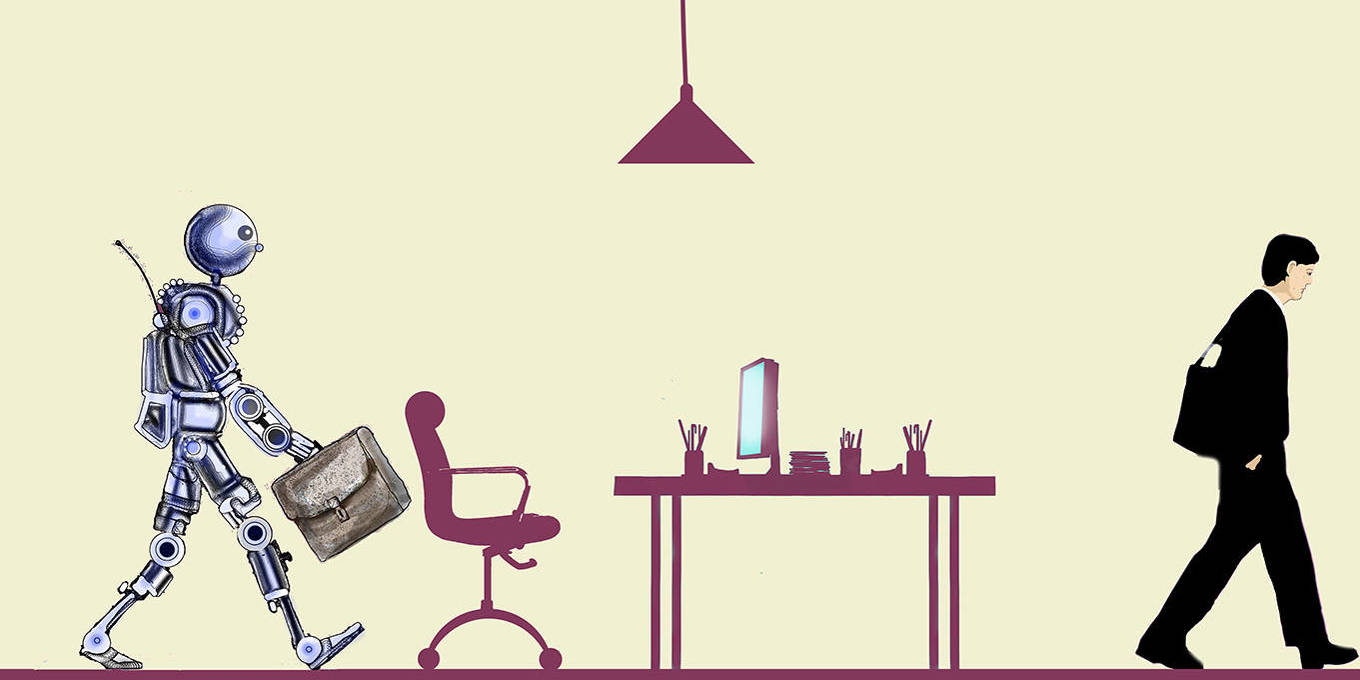
The rapid advancement of artificial intelligence (AI) is no longer a futuristic prediction; it’s a present-day reality reshaping the global labor market at an unprecedented scale. While often touted for its potential to boost productivity and create new opportunities, the rise of data-based systems (DS) is simultaneously disrupting industries, driving down wages, and threatening the livelihoods of millions. As AI increasingly encroaches upon tasks once considered exclusively human, societies face a critical juncture: how to navigate a future where full employment may no longer be the norm and how to ensure human dignity in an age of automation.
Understanding the Current Landscape: Beyond “Artificial Intelligence”
The term “artificial intelligence” is often used as a catch-all phrase, but a more accurate description of the technologies driving this revolution is “data-based systems.” These systems, powered by machine learning and vast datasets, are capable of performing tasks that traditionally required human intelligence, such as image recognition, natural language processing, and complex problem-solving. This isn’t about robots taking over; it’s about algorithms automating processes and augmenting – or replacing – human labor across a wide spectrum of industries.
According to a McKinsey Global Institute report, automation could displace between 400 and 800 million jobs globally by 2030. while the report also predicts the creation of new jobs, the skills required for these emerging roles are often vastly different from those possessed by workers displaced by automation, creating a notable skills gap and potential for widespread unemployment.
The Disruption across Industries
The impact of AI is being felt across nearly every sector of the economy.Here’s a look at some key areas experiencing significant disruption:
- Manufacturing: Robotics and AI-powered automation are streamlining production processes, reducing the need for human workers on assembly lines. The World economic Forum highlights the increasing use of collaborative robots (cobots) working alongside humans,but also acknowledges the potential for job displacement in repetitive tasks.
- Transportation: Self-driving vehicles, while still under development, pose a significant threat to professional drivers – truck drivers, taxi drivers, and delivery personnel. The Bureau of Transportation Statistics estimates that millions of jobs could be affected by the widespread adoption of autonomous vehicles.
- Customer Service: Chatbots and AI-powered virtual assistants are increasingly handling customer inquiries, reducing the need for human customer service representatives. Companies like IBM with Watson are leading the way in developing AI solutions for customer engagement.
- Finance: Algorithmic trading, fraud detection, and automated financial analysis are transforming the financial industry, impacting roles in trading, risk management, and compliance.
- Healthcare: AI is being used for medical diagnosis, drug discovery, and personalized medicine, possibly automating tasks currently performed by doctors and researchers.
- Creative Industries: AI tools are now capable of generating text, images, and even music, challenging conventional roles in writing, graphic design, and music composition.
the Promise of New Opportunities – And the Skills Gap
Despite the potential for job displacement, AI also promises to create new jobs and enhance productivity.these new roles will likely focus on:
- AI Development and Maintenance: Designing, building, and maintaining AI systems will require a skilled workforce of data scientists, machine learning engineers, and AI specialists.
- Data Analysis and Interpretation: The vast amounts of data generated by AI systems will need to be analyzed and interpreted by humans to extract valuable insights.
- AI Ethics and Governance: Ensuring that AI systems are used responsibly and ethically will require professionals with expertise in AI ethics, law, and policy.
- Human-AI Collaboration: Many future jobs will involve humans working alongside AI systems, requiring skills in collaboration, interaction, and critical thinking.
Though,a significant challenge lies in bridging the skills gap. Workers displaced by automation will need access to retraining and education programs to acquire the skills needed for these new roles. The world Economic Forum’s Future of Jobs Report 2023 emphasizes the urgent need for reskilling and upskilling initiatives to prepare the workforce for the future of work. Governments, businesses, and educational institutions must collaborate to provide accessible and affordable training opportunities.
Preserving Dignity in a Post-Employment world
If full employment becomes unattainable, societies must grapple with the ethical and social implications of widespread joblessness. Potential solutions include:
- Universal Basic Income (UBI): Providing a regular, unconditional income to all citizens, regardless of their employment status. This is a controversial idea, but gaining traction as automation increases.
- Job Guarantees: Government-funded programs that guarantee employment for anyone who wants it.
- Reduced workweek: Reducing the standard workweek to allow more people to share available jobs.
- Investing in Education and Lifelong Learning: Providing access to affordable education and training throughout people’s lives to enable them to adapt to changing job market demands.
- Rethinking the Value of Work: Shifting societal values away from equating self-worth with employment and recognizing the value of other contributions to society, such as volunteering, caregiving, and creative pursuits.
Key Takeaways
- AI, or more accurately data-based systems, is fundamentally reshaping the labor market.
- Job displacement is a real concern, but AI also creates new opportunities.
- Bridging the skills gap is crucial for ensuring a smooth transition to the future of work.
- Societies must consider innovative solutions to address the potential for widespread unemployment and preserve human dignity.
The AI revolution presents both challenges and opportunities. By proactively addressing the potential disruptions and investing in the future of work, we can harness the power of AI to create a more prosperous and equitable society for all.
