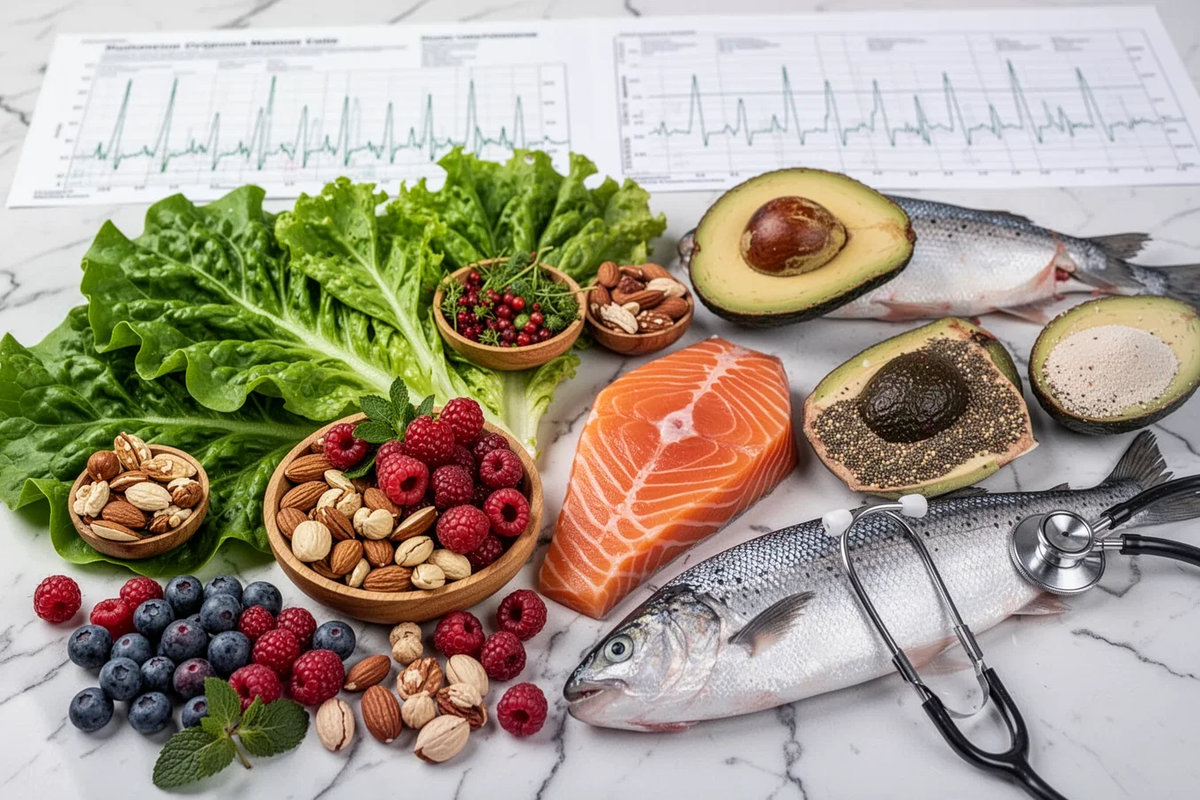
AHA 2026 Heart-Healthy Dietary Guidelines: Focus on Whole Foods Over Nutrients
For decades, the clinical approach to heart health was reductionist, focusing on the elimination of single nutrients—cholesterol, saturated fats, or refined sugars. This narrow lens inadvertently birthed an industry of highly processed “low-fat” or “low-cholesterol” products that often replaced healthy fats with refined carbohydrates, failing to move the needle on cardiovascular morbidity. The American Heart Association (AHA) is now pivoting toward a holistic, food-based paradigm that prioritizes overall dietary patterns over isolated nutrients.
Key Clinical Takeaways:
- Shift from nutrient-specific restrictions to overall food-based dietary patterns to reduce cardiovascular disease (CVD) risk.
- Caloric intake must be dynamically adjusted for age, with energy requirements typically dropping by 70 to 100 kcal per decade in older adults.
- Cardiovascular optimization requires a synergistic approach combining dietary patterns with at least 150 minutes of moderate or 75 minutes of vigorous physical activity weekly.
The clinical gap in previous guidelines lay in their susceptibility to “nutrient-centric” interpretation. When medical advice focused solely on avoiding specific components, patients often gravitated toward ultra-processed foods marketed as “heart-healthy” because they lacked a specific ingredient. This trend ignored the complex biological synergy of whole foods and the metabolic impact of high processing. To address this, a team led by Alice Lichtenstein from the Jean Mayer USDA Human Nutrition Research Center on Aging developed a new framework published in Circulation, shifting the focus to ten defining “features” of a heart-healthy diet.
The Pathogenesis of Weight Gain and Caloric Misalignment
Central to these new guidelines is the recognition that weight management is not a static goal but a dynamic physiological requirement. Overweight and obesity remain primary drivers of cardiometabolic risk factors, including type 2 diabetes and hypertension. The AHA emphasizes that caloric intake must be precisely calibrated to an individual’s physical activity level to prevent the gradual accumulation of adipose tissue, which contributes to systemic inflammation and arterial dysfunction.

A critical clinical nuance highlighted in the research is the metabolic slowdown associated with aging. The daily energy requirement for adults typically decreases by 70 to 100 kcal for every decade of life. Failure to adjust caloric intake accordingly leads to a positive energy balance, increasing the probability of obesity-related cardiovascular complications. For patients struggling to balance these metabolic shifts, integrating care through specialized weight management clinics can provide the necessary caloric auditing and metabolic monitoring to prevent age-related weight gain.
“The new dietary guidelines for the first time also deal with the obstacles that can make the adoption and maintenance of a heart-healthy diet difficult,” noting the critical influence of social and environmental factors on nutritional adherence.
Integrating Physical Activity as a Clinical Intervention
Dietary patterns cannot be viewed in isolation from physical movement. The AHA establishes a clear standard of care for activity: a minimum of 150 minutes of moderate-intensity aerobic activity or 75 minutes of vigorous activity per week. This regimen is designed to enhance cardiovascular fitness, improve insulin sensitivity and maintain a healthy weight. To maximize the protective effects against CVD, the association recommends spreading this activity throughout the week and incorporating muscle-strengthening exercises at least twice weekly.
For many patients, the barrier to this activity is not a lack of will but a lack of structured integration. The guidance suggests incorporating “short bursts” of activity—such as taking stairs instead of elevators—to build a baseline of movement. Though, for those with pre-existing cardiac conditions, initiating a vigorous exercise program requires professional oversight. It is essential for these individuals to consult with board-certified cardiologists to establish a safe, monitored activity threshold that avoids triggering adverse cardiac events although promoting long-term fitness.
Addressing Social Determinants and Sustainability
Moving beyond the biological mechanism of action, the AHA has expanded its scope to include the societal hurdles that impede healthy eating. The shift toward “food-based” recommendations is partly a response to the systemic availability of ultra-processed foods. By focusing on dietary patterns—such as those outlined in the Dietary Guidelines for Americans—the AHA aims to promote sustainable eating habits that are accessible across different socioeconomic strata.
The focus on sustainability acknowledges that a diet is only effective if it can be maintained. This requires a move away from restrictive, short-term “diets” toward lifelong patterns. This transition often requires personalized nutritional counseling to translate broad guidelines into culturally and economically viable meal plans. Patients are encouraged to work with licensed registered dietitians who can bridge the gap between clinical recommendations and the practical realities of food access and preparation.
The Future of Cardiovascular Preventive Medicine
The transition from nutrient-centric to pattern-centric guidance represents a significant evolution in preventive cardiology. By acknowledging the interplay between caloric needs, age-related metabolic decline, and the social determinants of health, the medical community is moving toward a more precise and empathetic model of care. The goal is no longer just the absence of “bad” nutrients, but the presence of a synergistic dietary pattern that supports systemic longevity.
As clinical research continues to evolve, the integration of personalized nutrition—tailored to an individual’s genetic profile and microbiome—will likely be the next frontier. Until then, the adherence to food-based patterns and consistent physical activity remains the most evidence-based strategy for reducing the global burden of cardiovascular disease. Ensuring these changes are managed by a multidisciplinary team of experts is the most reliable path to achieving lasting health outcomes.
Disclaimer: The information provided in this article is for educational and scientific communication purposes only and does not constitute medical advice. Always consult with a qualified healthcare provider regarding any medical condition, diagnosis, or treatment plan.