Agriculture officials say Kaewjuree holy basil registrations are lawful
Kaewjuree Holy Basil Registrations Confirmed Under Plant Varieties Protection Act
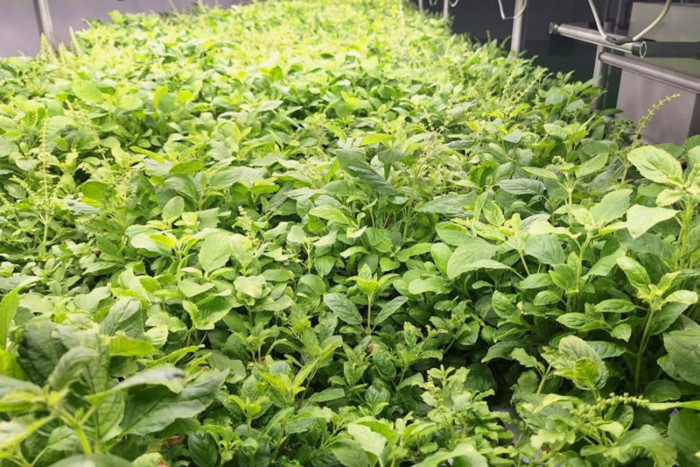
Four holy basil varieties developed by CPRAM Co Ltd, a subsidiary of the CP Group, were registered in full compliance with Thai law, the Department of Agriculture announced on November 7, 2026, according to the Bangkok Post. The confirmation follows public concern over whether private plant variety protection could restrict local farmers from growing the essential culinary herb, locally known as kaprao.
Department spokeswoman Sasiya Parntan stated that officials reviewed Certificates of New Plant Variety Protection and other required documents submitted by the company. The evaluation assessed the strains against distinctiveness, uniformity, and stability criteria. Breeding investigations conducted over two cropping seasons confirmed that all four Kaewjuree varieties are visibly different from similar local strains.
Legal Scope and Exclusions for Farmers
Legal protection applies exclusively to the four registered Kaewjuree strains and does not extend to indigenous or common varieties of holy basil used by farmers and the general public, the Bangkok Post reported. Newsminimalist.com corroborated that no petitions or disputes were filed by any stakeholders within the 90-day legal challenge period following the application notices.
Registration under the Plant Varieties Protection Act is open to any qualifying developer, not just private companies. The statutory framework remains open to individuals, plant breeders, universities, private companies, and other organizations that develop qualifying new varieties. All applicants must undergo the same standardized examination process administered by agriculture officials.

Farmers retain full legal freedom to cultivate and use indigenous holy basil varieties without restriction. Growers may also legally cultivate the protected Kaewjuree varieties for personal consumption, harvest and sell the leaves, or use them as ingredients in food products intended for commercial sale.
Commercial Propagation Restrictions
While selling harvested leaves and food products is permitted, commercial propagation of the protected strains is subject to strict legal controls. Anyone wishing to produce seeds, grow seedlings, or take stem cuttings of the Kaewjuree varieties for sale as planting materials must first obtain formal permission from the rights holder.