After Deadly Tornado Outbreak, New Storm System Threatens Illinois & Indiana
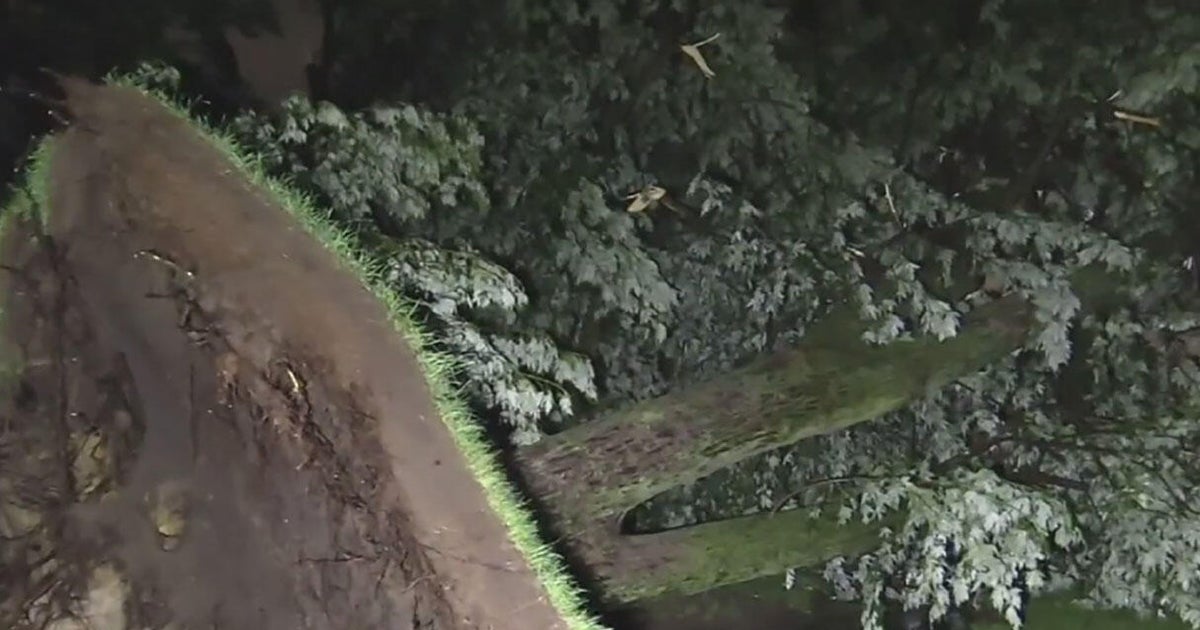
Severe storms tore through the Chicago metropolitan area late Friday, June 13, and into early Saturday, June 14, 2026, downing trees and disrupting power grids just days after a separate storm system produced 11 confirmed tornado touchdowns across northern Illinois and Northwest Indiana. The back-to-back weather events have strained regional emergency response infrastructure.
The Cumulative Toll on Chicago’s Infrastructure
The latest round of storms marks a period of intense atmospheric instability for the Midwest. According to data provided by the National Weather Service (NWS) Chicago office, the region has been subjected to a series of high-wind events that have left utility companies struggling to keep pace with repair demands. While the most recent damage was primarily characterized by downed trees and localized flooding, the structural integrity of residential and commercial properties in the affected counties remains under scrutiny.
The recurrence of these storms creates a compounding problem for homeowners and municipalities. The initial 11-tornado event earlier in the week weakened tree limbs and damaged roof membranes, making the subsequent high winds significantly more destructive than they would have been otherwise. For many residents, the primary issue is no longer just the immediate storm debris, but the secondary damage to property foundations and electrical systems that often goes undetected until a second weather event occurs.
“We are seeing a pattern of ‘compounding vulnerability.’ When a structure is compromised by an initial wind event, the threshold for failure during the next storm drops precipitously. Our teams are currently managing a backlog that is three times higher than our seasonal average,” notes a regional emergency management coordinator.
Economic and Logistical Consequences for Property Owners
For property owners, the immediate aftermath involves navigating complex insurance claims and urgent repair scheduling. The demand for restoration services has surged, creating a bottleneck that can lead to further property degradation if water intrusion remains unaddressed. Connecting with emergency restoration contractors early is essential to prevent secondary mold growth and structural rot, which are often excluded from standard storm-damage insurance policies.
The financial impact of these storms extends beyond individual property damage. Local businesses and residential developments are facing increased scrutiny from municipal inspectors regarding site safety and debris management. Those failing to secure their perimeter or manage hazardous trees may face significant municipal citations. Engaging professional commercial real estate attorneys or land-use consultants has become a standard precaution for property owners looking to mitigate liability during these recovery cycles.
Comparative Impact of Recent Regional Weather Events
The following table illustrates the disparity between the initial tornado outbreak and the secondary high-wind system, based on preliminary reports from regional meteorologists and utility providers.
| Event Type | Primary Damage Profile | Utility Status |
|---|---|---|
| Mid-Week Tornado Outbreak | Structural failure, debris impact | Widespread, long-term outages |
| Friday/Saturday Wind System | Downed trees, localized flooding | Localized, recurring outages |
Managing Long-Term Recovery and Future Risks
As the Chicago area shifts from emergency response to recovery, the focus turns to the long-term resilience of local infrastructure. The Federal Emergency Management Agency (FEMA) emphasizes that the period immediately following a storm is critical for documenting damage for insurance purposes. Property owners are urged to photograph all damage before initiating cleanup, as accurate documentation is the strongest tool in the claims process.
Beyond the immediate cleanup, residents are increasingly looking toward permanent mitigation. This includes professional tree maintenance and structural reinforcement. Utilizing a directory of vetted local service providers ensures that the contractors hired to perform these repairs are licensed, insured, and accountable to regional standards, which is vital when demand for labor outstrips supply.
The reality of the 2026 storm season is that the frequency of these events is testing the limits of local municipal capacity. While the immediate threat from this specific system is subsiding as of late Saturday night, the underlying damage to trees and utility lines suggests that the risk of power failures will persist through the coming week. Vigilance remains the only effective strategy for those living in high-risk zones, as the climate patterns in the Midwest continue to defy traditional seasonal expectations. Recovery is not merely about clearing the debris left by the last storm; it is about preparing the landscape for the inevitability of the next one.