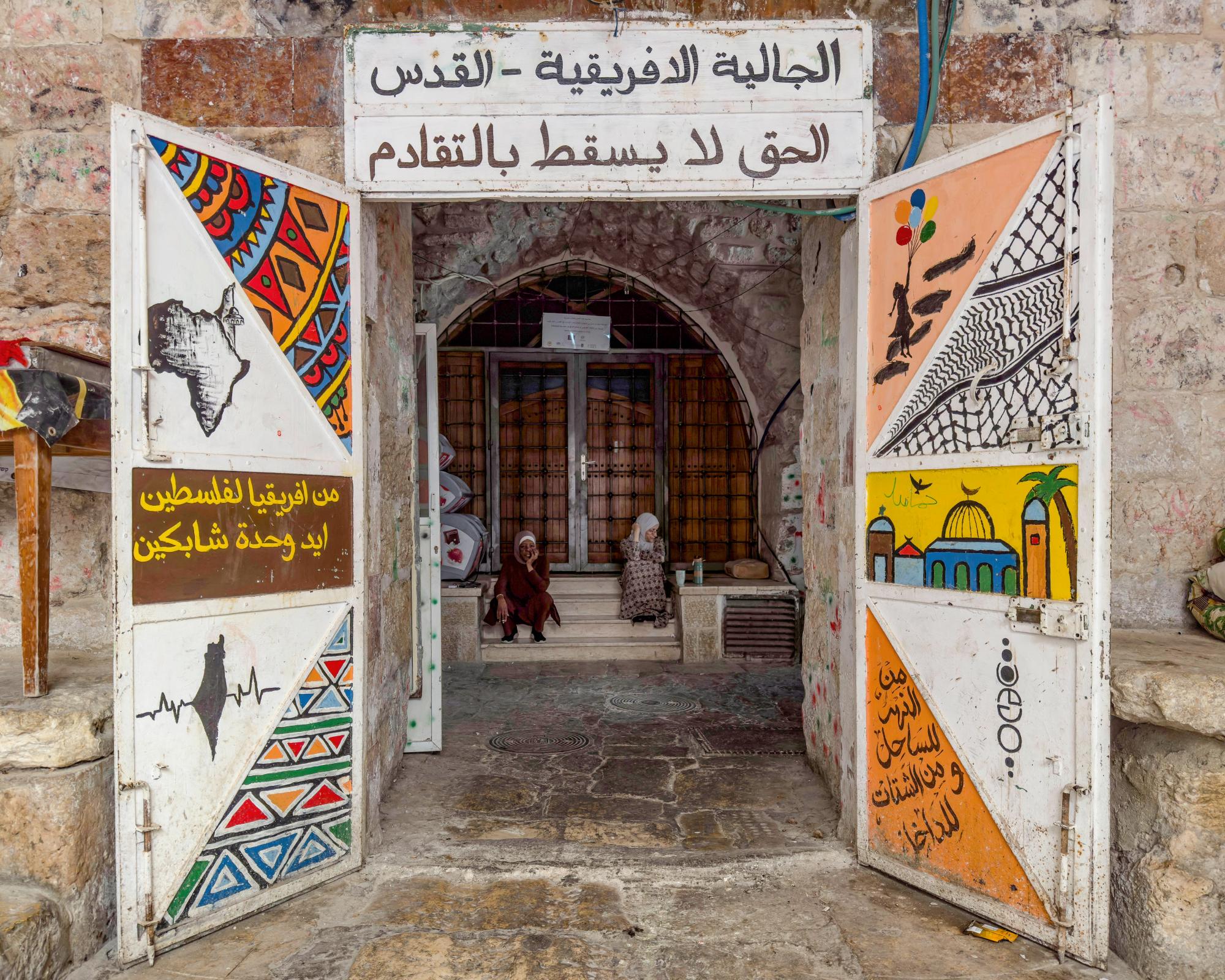
African Palestinians Live in East Jerusalem Near al-Aqsa Mosque
About 450 African Palestinians live in the historical buildings of occupied East Jerusalem’s Old City near al-Aqsa mosque, according to reporting published by The Guardian.
Most members of the community descend from Muslim pilgrims who emigrated centuries ago from places such as Chad, Sudan, and Nigeria, inkl.com reported. While a small Christian population exists within the group, the majority arrived in the early 20th century before the Israeli occupation.
They stayed to tend to al-Aqsa mosque, the third holiest site in Islam, or to continue their religious devotion. The pilgrims worked as guards, groundskeepers, and arborists at the site, securing two leased compounds close to the mosque where many still live today.
Community members maintain traditional food and rituals, gathering every Friday for group meals under an ancient tree courtyard. A companion walked a reporter through the Old City, sharing memories of dishes like aseeda and weika, a thick dough and okra stew that scarcely exists outside Saharan Africa.

The community refers to itself as African Palestinian rather than Black Palestinian, emphasizing origin over race. Their presence reflects a broad Islamic civilization historically defined by religious hubs rather than nation-states.
During the mid-20th century, African Palestinians joined in decades of regional resistance and violence. A companion guided visitors past the small historic homes of activists who have long passed away, newsdeck.online noted.
The community has faced historical racism and marginalization from Arab Palestinians, which locals describe as stemming from ignorance that has receded over time. Today, they grapple with occupation, economic suffocation, heavy-handed policing, and bureaucratic hurdles.
Al-Aqsa mosque serves as the third holiest site in Islam, anchoring the community’s historical roots and religious devotion in the Old City. Since the beginning of the ongoing Israeli occupation of the West Bank, the mosque has remained under the independent administration of the Jerusalem Islamic Waqf.
This administrative body manages the site where community members originally stayed to tend the grounds, directly shaping the daily religious life and enduring presence of residents who live in leased compounds nearby.
Most residents remain effectively stateless as descendants of people who arrived before modern passports existed. They were classified as foreign during Jordanian rule between 1948 and 1967. Current residency policies mean permanent residency in the Old City can be revoked if members legally reside in or obtain citizenship in another country, or leave the city for extended periods.