Africa Industrialization Financing and Strategy: Key Challenges and Vision for 2030
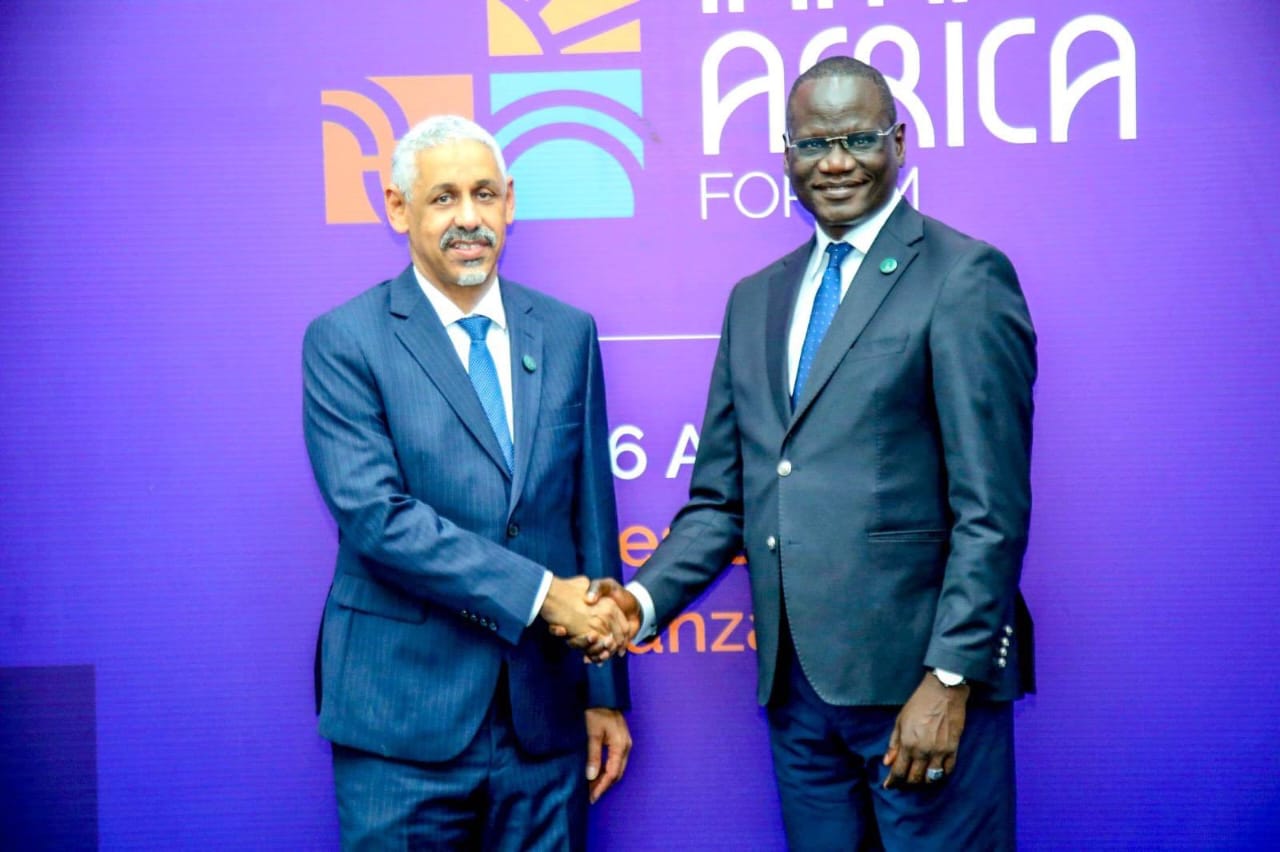
As African economies grapple with a persistent annual industrial financing deficit estimated at $170 billion, Senegalese Minister Abdourahmane Diouf carried the official diplomatic and economic vision of President Diomaye Faye to the Infra for Africa 2026 Forum in Dar es Salaam on August 5, 2026.
The Continental Financing Gap and Structural Realities
Transforming Africa’s economic foundation requires closing a staggering capital shortfall. According to regional industrial assessments detailed by Industrie du Maroc, the continent faces an annual deficit of $170 billion necessary to jump-start genuine industrial transition.
Victor Djemba, Chief of the UNIDO Regional Office in Cameroon, emphasized in recent briefings covered by Africa24 TV that industrialization forms the undisputed core of sustainable economic development. Structural transformation, according to Djemba, remains unattainable without deliberately building a solid and durable domestic industrial base.
Scaling Local Production: The 2030 Village Industrialization Blueprint
According to reports published by Le Quotidien, the Grand Industrialization Plan for Villages in Senegal and across Africa targeting the 2030 horizon outlines a distinct vision: an autonomous, industrialized, and innovative continent rooted in localized economic output.
Bridging Policy and Execution in East and West Africa
While the African Union continues to evaluate the macro costs of industrialization, East African infrastructure corridors provide the physical connectivity required to turn regional trade agreements into tangible commerce.
As the 2030 targets draw closer, the success of initiatives like the village industrialization plans and the broader Infra for Africa agenda will depend entirely on execution speed and capital mobilization.