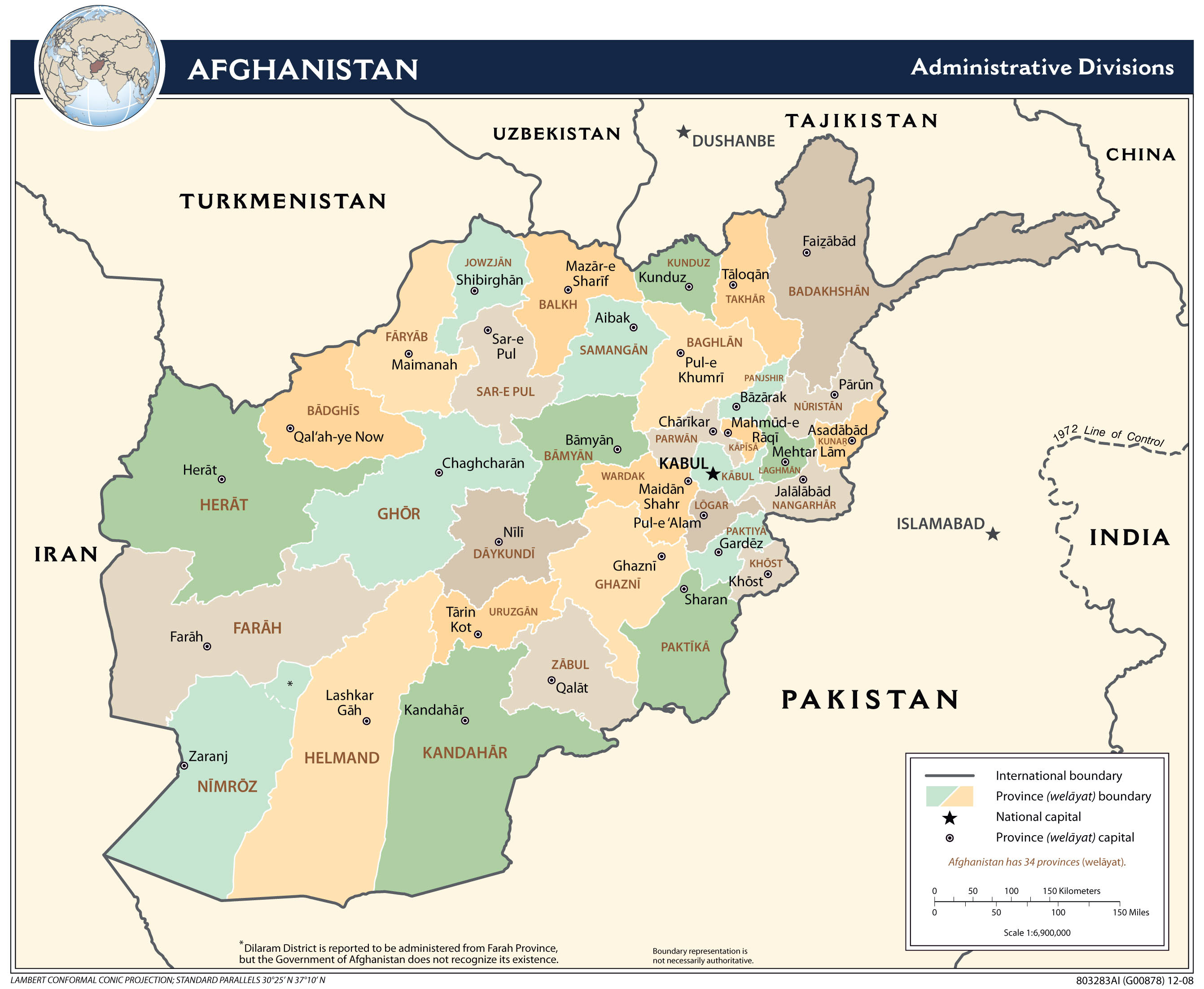
Afghanistan Sees Double of Haemorrhagic Fever Cases of Crimean Congo in June
Public health authorities in Afghanistan are tracking a sharp escalation in Crimean-Congo hemorrhagic fever cases, which more than doubled during the month of June compared to the preceding period, according to surveillance data highlighted by MesVaccins. The surge places immediate strain on regional medical infrastructure, forcing infectious disease units to manage a rapid influx of patients infected by the tick-borne zoonotic pathogen.
Key Clinical Takeaways:
- Reported cases of Crimean-Congo hemorrhagic fever in Afghanistan doubled in June compared to May levels.
- The pathogen is primarily transmitted to humans through tick bites or contact with infected animal blood and tissues.
- Timely clinical triage is essential to mitigate high morbidity and mortality risks associated with advanced hemorrhagic manifestations.
Epidemiological Dynamics and Pathogenesis of Crimean-Congo Hemorrhagic Fever
Crimean-Congo hemorrhagic fever (CCHF) is caused by a Nairovirus belonging to the Bunyaviridae family. The virus causes severe viral hemorrhagic fever outbreaks, with a case fatality rate that can reach up to forty percent depending on the quality of supportive hospital care. According to epidemiological reports, vectors such as Hyalomma ticks sustain the viral reservoir, while livestock serve as asymptomatic amplifying hosts. Human infection occurs via direct contact with contaminated animal blood during slaughtering or agricultural work, or through direct tick bites in endemic rural zones.
As infection progresses, the pathogenesis involves target organ damage, particularly affecting the vascular endothelium and hepatic tissue. Patients often present with an acute onset of high fever, myalgia, dizziness, neck pain, and petechial rashes that can rapidly escalate into fulminant hepatic failure and severe internal hemorrhage. Managing these acute presentations requires sophisticated diagnostic capabilities and rigorous barrier nursing protocols.
Clinical Triage and Healthcare Infrastructure Requirements
Handling a surge in viral hemorrhagic fever cases demands stringent infection control measures to protect healthcare workers from nosocomial transmission. Clinical laboratories must utilize molecular diagnostics, such as reverse transcription-polymerase chain reaction (RT-PCR) assays, to confirm diagnoses during the acute viremic phase. For medical centers addressing vector-borne outbreaks, establishing standardized isolation protocols and maintaining adequate supplies of ribavirin are critical steps in reducing mortality.
Healthcare facilities facing potential exposure vectors must coordinate closely with specialized diagnostic labs and infectious disease specialists. Facilities seeking to audit their containment procedures or secure specialized consultations can connect with vetted experts via the [Relevant Clinic/Professional/Service] directory. Ensuring rapid pathogen identification prevents community spread and optimizes supportive therapeutic interventions for critical patients.
Future Trajectory and Prevention Strategies
Mitigating future outbreaks of Crimean-Congo hemorrhagic fever requires sustained public health education campaigns targeted at livestock handlers, abattoir workers, and rural populations in endemic regions. Controlling tick populations on domestic animals through acaricides remains a primary prophylactic strategy. As regional climate patterns influence tick habitat expansion, clinical researchers emphasize the need for continuous epidemiological surveillance.
Public health agencies continue to refine treatment algorithms as new clinical data emerges regarding antiviral efficacy and supportive hemodynamic management. Healthcare providers operating in high-risk zones are encouraged to maintain high clinical suspicion for acute febrile illnesses accompanied by hemorrhagic tendencies. To evaluate local facility readiness and coordinate with board-certified infectious disease specialists, clinical administrators utilize resources such as the [Relevant Clinic/Professional/Service] network.
*Disclaimer: The information provided in this article is for educational and scientific communication purposes only and does not constitute medical advice. Always consult with a qualified healthcare provider regarding any medical condition, diagnosis, or treatment plan.*