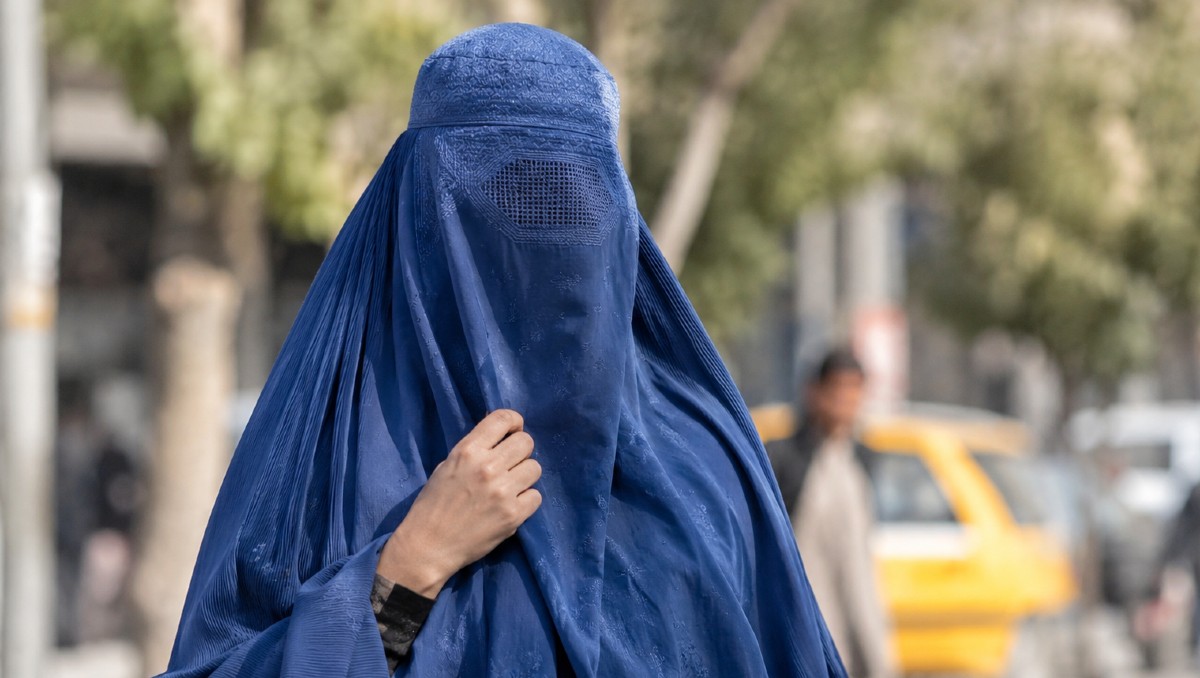
Afghan Woman’s Dental Care Halted by Taliban Ban on Male Doctors
Farida, a 37-year-old woman in Afghanistan, has been unable to complete a dental treatment for three months, leaving her in pain and struggling to eat.
Her treatment was halted when a Taliban directive banned male doctors from treating female patients, a restriction that has left many women without access to essential medical care.
Farida had suffered from dental problems for years, but the condition worsened in 2026, causing her unbearable pain that affected her ability to sleep and eat. After returning from Iran to Herat, Afghanistan, she sought treatment at a dental clinic in Bakrabad in early July.
The clinic determined she needed several extractions and dental implants or dentures to replace her molares, both sides of which were severely damaged. She agreed to a full treatment plan and paid in advance.
However, during her third appointment, the procedure was interrupted. The clinic staff told her to go home and wait for a call, citing an unforeseen problem.
Two days later, when she inquired, she was informed that an order from the Ministry for the Propagation of Virtue and the Prevention of Vice had been issued, prohibiting male dentists from treating female patients. The staff told her they would contact her if the situation changed.
“My teeth had been ruined for years. My molars on both sides of my mouth were severely damaged. I couldn’t sleep at night and I could barely eat.”
Herat, the capital of Herat Province in western Afghanistan, is a major gateway to Iran and Turkmenistan, collecting billions in customs revenue for the nation. As a regional hub on the Silk Road, it has historically been a center of intellectual and artistic life, including during the Timurid Renaissance.
In 2021, it was announced that Herat would be listed as a UNESCO World Heritage Site, underscoring its cultural significance. The city’s strategic and historical role contrasts sharply with the Taliban’s 2026 directive that banned male doctors from treating female patients, severely restricting access to essential healthcare in this once-thriving cultural center.
Farida, who reported her experience to The Guardian and Zan Times, continues to face the consequences of her interrupted treatment, according to Grupo Milenio. As of now, the ban remains in place, and she has not been able to complete the necessary procedures to alleviate her pain and restore her ability to eat normally.