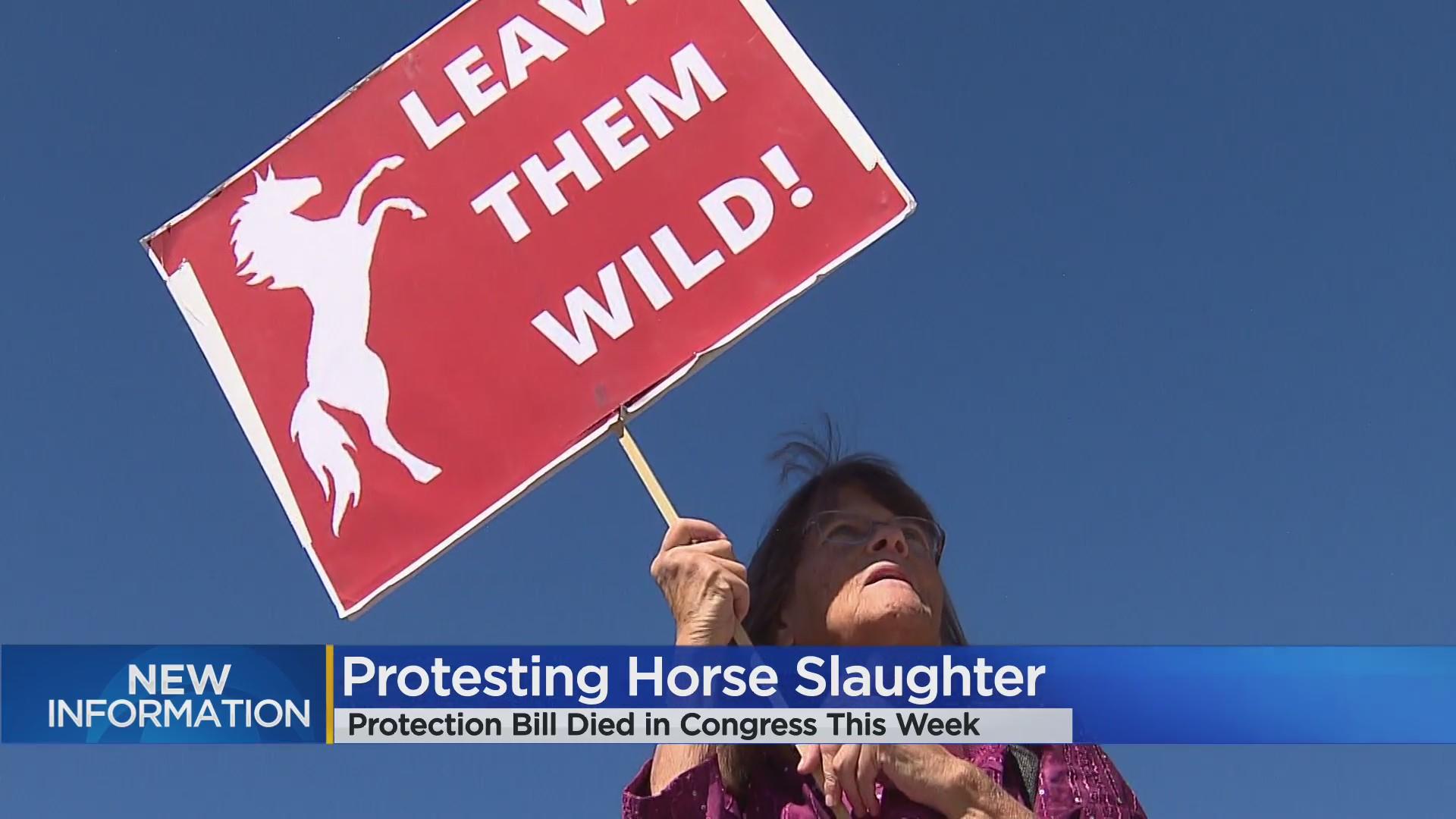
Advocates Demand BLM Halt Wild Horse Sales Following Reports of Slaughter Pipeline
Clare Staples, founder and president of the Skydog Sanctuary in Oregon, has formally urged the U.S. Department of the Interior to suspend all Bureau of Land Management (BLM) wild horse sales following investigations suggesting animals are being funneled into slaughter pipelines. The BLM maintains its policies strictly prohibit the sale of horses for commercial processing.
The Skydog Sanctuary Allegations and Federal Oversight
The conflict centers on the BLM’s “Sale Authority” program, a mechanism designed to manage wild horse populations through adoptions or sales. According to Skydog Sanctuary, the process is being exploited by livestock dealers who purchase mustangs for as little as $25 per head, only to redirect them toward slaughterhouses in Canada and Mexico. In a letter dispatched on Thursday, August 20, 2026, Clare Staples demanded that Secretary of the Interior Doug Burgum immediately halt these sales, citing investigative findings that track branded mustangs from federal holding facilities to kill pens.
This controversy has intensified following a recent investigation by The New York Times, which documented instances of government-sold horses appearing in slaughter-bound facilities. Suzanne Roy, a consultant for Skydog who assisted in the investigation, confirmed that advocacy groups have successfully tracked specific brand numbers from Wyoming roundups to dealers implicated in the slaughter trade.
BLM Policy and the Enforcement Gap
The Bureau of Land Management maintains that it does not intentionally send animals to slaughter. In a statement released Thursday evening, the agency’s national press office emphasized that current federal safeguards and internal policies strictly forbid the sale of wild horses for commercial processing. The agency noted that it takes allegations of policy circumvention seriously, stating that when “credible evidence of potential violations” is received, the matter is reviewed and referred to law enforcement for potential criminal prosecution.
However, the divide between policy and practice remains a point of contention for advocates. According to Suzanne Roy, the BLM’s current regulatory language—which prohibits “knowingly” selling horses for slaughter—may be insufficient to curb the practice. She suggested that even if the agency adjusted its wording to include “recklessly or negligently,” the lack of consistent enforcement remains the primary obstacle. This sentiment is not universal; Fremont County rancher Troy Corbett, who grazes cattle on the North Lander Complex, expressed support for the BLM’s management, noting that roundups are essential for land health during dry cycles.
Data Points and the Slaughter Pipeline
The scope of the issue appears to be growing. Skydog Sanctuary reported a 250% increase in the use of “Sale Authority” in fiscal year 2025. This program allows for immediate title transfer, effectively bypassing the year-long vetting process required for traditional adoptions. The organization has identified numerous instances of horses, including six fillies from a Nevada prison training program, appearing in Texas kill pens shortly after being sold by the government.
Greg Sheehan, president and CEO of the Mule Deer Foundation and former head of the U.S. Fish & Wildlife Service, acknowledged the existence of the slaughter pipeline while suggesting it is not a systemic failure of the agency. “A little bit of what they describe has happened. But that was abuse of the system; any system can be abused,” Sheehan stated. He noted that while isolated cases exist, they do not necessarily reflect the agency’s overarching mission.
The Intersection of Federal Policy and Corporate Liability
The ongoing dispute highlights the vulnerability of federal programs to third-party exploitation.
