Adolescent Mental Health: Trends in Anxiety, Substance Use, and Access to Care
The adolescent brain is a biological construction site, characterized by profound neuroplasticity and a delicate balance between emotional reactivity and executive control. When this developmental window is compromised by mental illness or chemical dependency, the resulting morbidity can alter a patient’s entire life trajectory.
Key Clinical Takeaways:
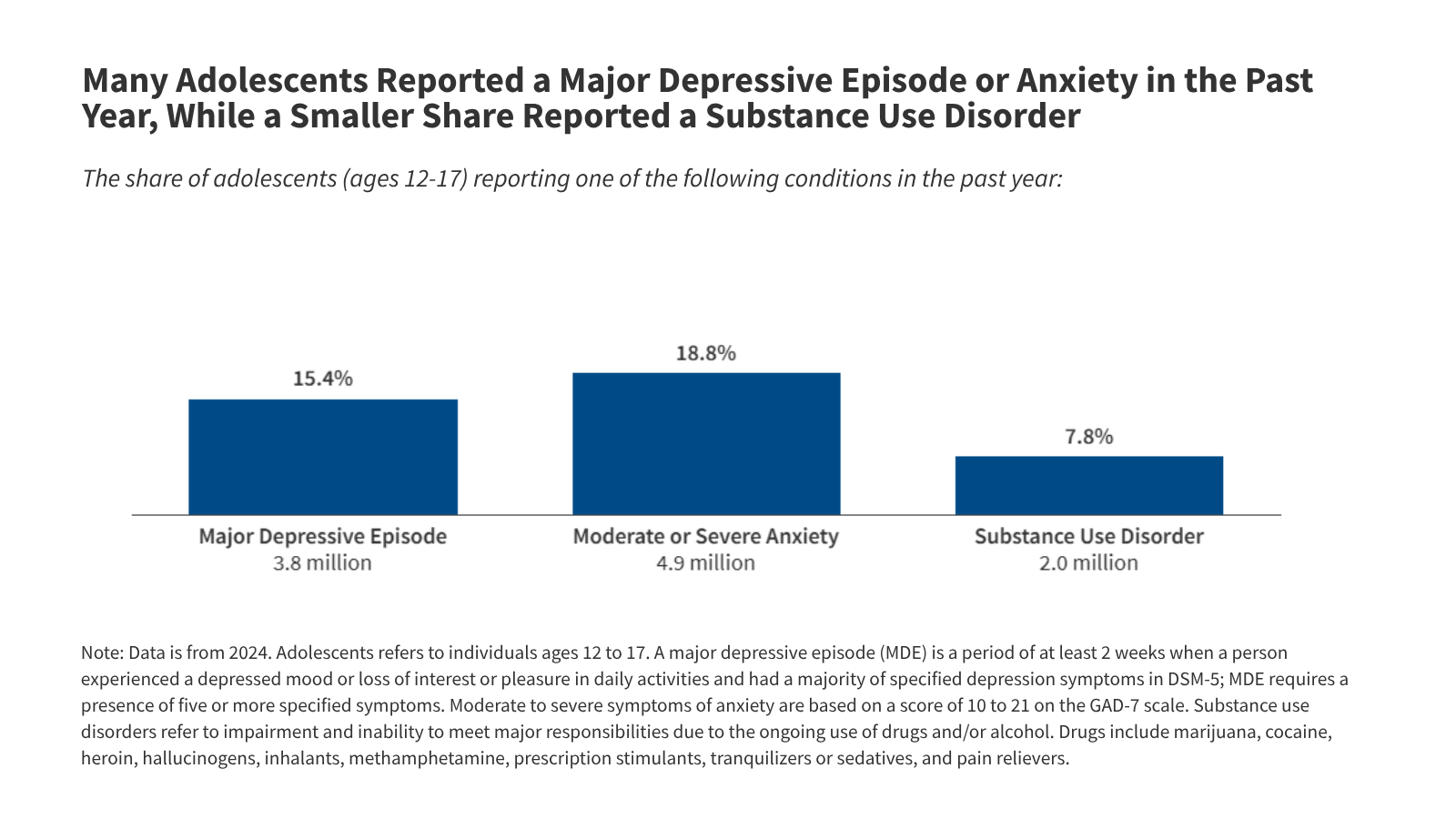
- Approximately 19% of adolescents now struggle with moderate to severe anxiety, necessitating targeted clinical intervention.
- Substance use disorders (SUD) affect 2 million adolescents, highlighting a critical need for specialized detox and rehabilitation frameworks.
- Systemic barriers to care continue to exacerbate trends in adolescent suicide and drug overdose, demanding a shift toward integrated behavioral health models.
The current clinical landscape reveals a troubling convergence of psychiatric distress and substance abuse among youth. The data indicates that nineteen percent of adolescents experience moderate to severe anxiety, a statistic that reflects more than just “teenage stress.” From a pathogenesis perspective, this often involves a dysregulation of the hypothalamic-pituitary-adrenal (HPA) axis and an overactive amygdala, which occurs while the prefrontal cortex—the area responsible for impulse control and rational thought—is still maturing. This biological mismatch creates a vulnerability that, if left untreated, often evolves into chronic adult psychiatric disorders.
For families observing these symptoms, the transition from general pediatric care to specialized psychiatric support is critical. To prevent the escalation of anxiety into severe depressive episodes or panic disorders, it is imperative to consult with board-certified child and adolescent psychiatrists who can implement evidence-based cognitive behavioral therapy (CBT) and, where indicated, pharmacological interventions.
The Neurobiological Toll of Substance Use Disorders
Parallel to the rise in anxiety is the staggering reality that 2 million adolescents are currently living with a substance use disorder. In the adolescent brain, the dopamine reward system is hypersensitive, making the “hit” from nicotine, alcohol, or synthetic opioids far more potent than in an adult brain. This increased sensitivity accelerates the development of dependency, as the brain’s reward circuitry is effectively hijacked, leading to a downregulation of natural dopamine receptors.
“The adolescent brain is uniquely susceptible to the reinforcing properties of addictive substances. We are seeing a shift where substance use is no longer just a behavioral issue, but a profound neurobiological disruption that requires a medical, rather than a punitive, response.”
Managing these cases requires a multidisciplinary approach that addresses the comorbidity often found between SUD and underlying mood disorders. Because the standard of care now emphasizes dual-diagnosis treatment, families should seek specialized adolescent addiction specialists who can manage the physiological complexities of withdrawal while treating the psychiatric triggers of use.
Analyzing Trends in Suicide and Drug Overdose
The intersection of untreated mental illness and substance use has created a volatile environment, contributing to alarming trends in adolescent suicide and drug overdose. The clinical correlation is clear: substance use often serves as a maladaptive coping mechanism for moderate to severe anxiety. When these substances—particularly synthetic opioids or high-potency benzodiazepines—are introduced into a system already struggling with emotional dysregulation, the risk of accidental overdose or intentional self-harm increases exponentially.

These trends are often exacerbated by a lack of early screening. Many patients do not enter the healthcare system until a crisis occurs, rather than during the prodromal phase of the disorder. Implementing universal mental health screening in primary care settings is the most effective way to identify at-risk youth before they reach a point of acute crisis. This systemic shift requires a move toward integrated behavioral health clinics where primary care and psychiatric services coexist under one roof, reducing the friction of referral and increasing patient compliance.
Addressing the Clinical Gap in Access to Care
Despite the clear epidemiological need, access to care remains the most significant hurdle. The gap between the diagnosis of a disorder and the initiation of treatment is often widened by a shortage of providers and a lack of insurance parity for behavioral health. This delay in care increases the likelihood of permanent cognitive impairment or the solidification of addictive pathways in the brain.
The data supporting these trends is typically derived from national public health surveillance systems and government-funded clinical registries, which track morbidity and mortality across diverse demographics. By analyzing these longitudinal trends, clinicians can better understand the environmental and biological triggers that lead to the current crisis. For further reading on the global standards for adolescent care, the World Health Organization and peer-reviewed research via PubMed provide the foundational guidelines for treating adolescent psychiatric emergencies.
“We cannot treat the substance use in a vacuum. If we ignore the 19% of the population suffering from severe anxiety, we are merely treating the symptom while the underlying pathology continues to drive the patient back toward addiction.”
The future of adolescent mental health lies in precision psychiatry—using genetic markers and neuroimaging to tailor treatments to the individual’s specific brain chemistry. However, until these technologies become standard, the immediate priority must be the expansion of the provider network and the reduction of barriers to entry for the 2 million youth struggling with addiction.
As we move toward a more integrated model of care, the goal is to shift from reactive crisis management to proactive wellness. This requires a concerted effort from educators, parents, and medical professionals to recognize that mental health is not a luxury, but a fundamental component of pediatric health. Finding a vetted, experienced provider is the first and most critical step in reversing these trends and ensuring that the adolescent transition to adulthood is defined by resilience rather than disorder.
Disclaimer: The information provided in this article is for educational and scientific communication purposes only and does not constitute medical advice. Always consult with a qualified healthcare provider regarding any medical condition, diagnosis, or treatment plan.