
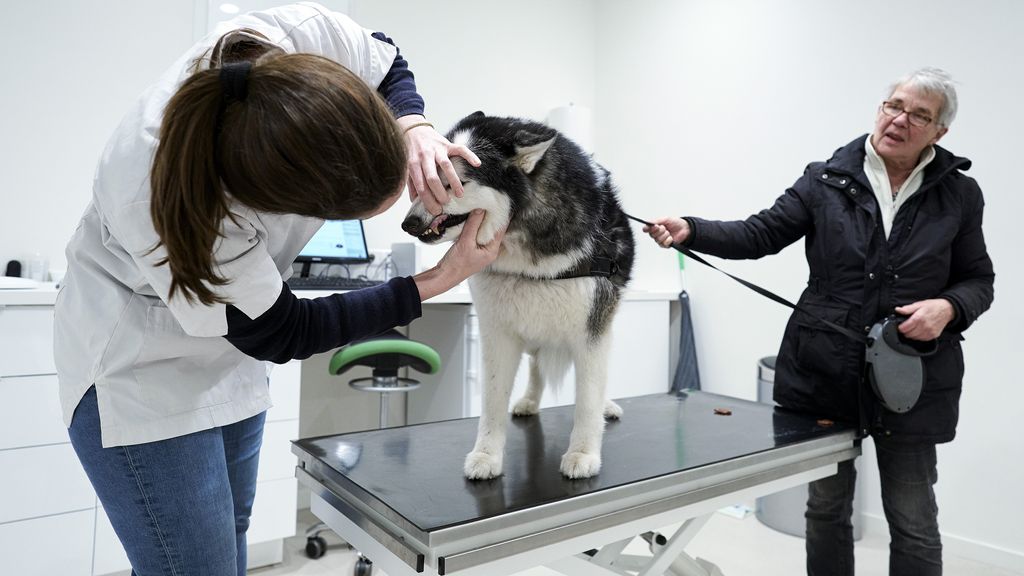
The Netherlands Authority for Consumers and Markets (ACM) is now at the center of a structural shift involving the commercialization of veterinary services. The immediate implication is heightened regulatory scrutiny that could reshape market dynamics and pricing for pet owners.
The Strategic Context
Over the past decade, the Dutch veterinary sector has transitioned from a fragmented network of self-reliant practices to a landscape increasingly dominated by corporate chains. This mirrors broader European trends where consolidation in traditionally personal‑service industries (e.g., dental care, childcare) is driven by economies of scale, private equity investment, and the rising willingness of consumers to spend on companion‑animal health. Together, demographic shifts-especially an aging population with higher disposable income-have intensified the emotional and financial bond between owners and pets, expanding demand for premium and emergency care. These forces create a tension between market‑driven profit motives and the public interest in affordable,transparent animal health services.
Core Analysis: Incentives & Constraints
Source Signals: the ACM states that veterinarians must act solely in the interests of the animal and owner, excluding profit as a factor. It seeks legislative backing to protect pet owners. Recent takeovers by commercial chains have led to higher prices, especially in emergency care, where emotional decision‑making reduces price sensitivity. The ACM proposes standard rates for routine treatments, clearer pricing, and tighter controls on chain acquisitions, particularly in regions with limited provider choice.
WTN Interpretation: The ACM’s push reflects a dual incentive structure. First, it aims to preserve consumer confidence in a market where price volatility could trigger political backlash and erode trust in professional services. Second, the regulator seeks to pre‑empt potential competition‑law challenges by framing the issue as consumer protection rather than anti‑competition. Constraints include the EU’s internal market rules that limit outright bans on corporate ownership, and the lobbying power of private‑equity firms that finance chain expansions. moreover, the Ministry of Agriculture, Fisheries, Food Security and Nature must balance animal‑welfare objectives with broader economic policy that favors business growth.
WTN Strategic Insight
“The pet‑care market is becoming the new frontier of consumer‑rights regulation, where emotional spending collides with corporate profit models, forcing governments to redefine the boundaries of market‑based health services.”
Future Outlook: Scenario Paths & Key Indicators
Baseline Path: If the ACM’s recommendations are incorporated into legislation, we can expect a modest cap on price differentials for standard treatments, mandatory disclosure of fees, and a more rigorous review process for chain acquisitions. This would likely stabilize consumer costs, preserve market entry for independent practices, and maintain investor confidence through clearer regulatory expectations.
Risk Path: Should legislative action stall or be diluted by industry lobbying, commercial chains may continue to consolidate, driving further price inflation-especially in emergency care-while reducing competition in underserved regions. This could trigger consumer backlash, prompting ad‑hoc political interventions or EU‑level scrutiny, and potentially lead to fragmented regional regulations.
- indicator 1: Parliamentary debate outcomes on the proposed amendment to the Animal Health Act (scheduled for Q1 2026).
- Indicator 2: volume of merger notifications filed by veterinary chains with the ACM in the next six months.
