
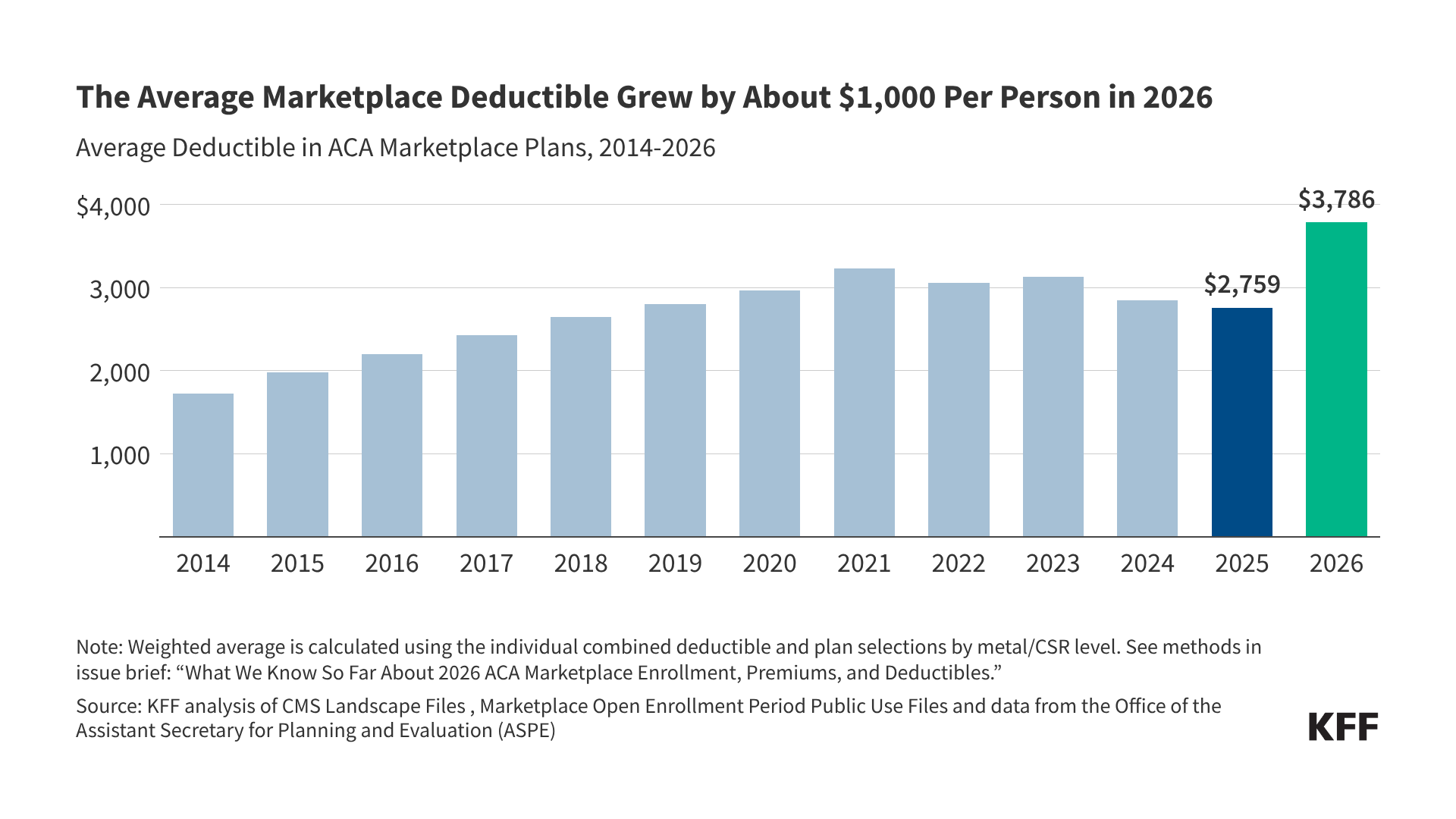
ACA Marketplace Deductibles Skyrocket by 37%-$1,000 Jump as Tax Credits Expire
The landscape of patient access to essential health services is undergoing a profound structural shift as the fiscal year 2026 brings a significant escalation in out-of-pocket medical liabilities. For millions of Americans, the expiration of enhanced premium tax credits has fundamentally altered the economics of clinical care, forcing a migration toward high-deductible health plans that may inadvertently delay necessary interventions and exacerbate chronic disease progression.
Key Clinical Takeaways:
- The average Affordable Care Act (ACA) Marketplace deductible surged by 37%, increasing from $2,759 in 2025 to $3,786 in 2026, according to a recent analysis by KFF.
- The expiration of enhanced premium tax credits has incentivized a shift toward lower-premium, high-deductible plan structures, potentially creating financial barriers to diagnostic testing and early-stage treatment.
- Patients facing increased cost-sharing burdens are encouraged to optimize their care pathways by consulting with board-certified primary care physicians to prioritize essential preventative screenings and chronic disease management.
The current epidemiological climate demands a rigorous evaluation of how financial barriers influence the pathogenesis and long-term morbidity of untreated conditions. When patients are confronted with a $1,000 increase in their deductible, the threshold for seeking medical consultation often rises, leading to the postponement of standard-of-care diagnostics. This delay is particularly concerning in the management of non-communicable diseases, where early intervention—often requiring simple laboratory panels or imaging—is critical to preventing acute exacerbations.
The financial architecture of a patient’s health plan is increasingly indistinguishable from their clinical prognosis. When deductibles reach these levels, we observe a measurable decline in adherence to maintenance therapies and routine follow-ups, which inevitably shifts the burden from manageable outpatient care to high-acuity emergency interventions.
This observation, echoed by health policy researchers examining the intersection of socioeconomic status and health outcomes, underscores the necessity for a proactive approach to medical management. The data, derived from the KFF analysis, illustrates a stark reality: the expiration of federal supports has triggered a rapid transition in plan selection. As patients move toward plans with lower monthly premiums, the compensatory increase in deductibles creates a “hidden” barrier to the accredited diagnostic centers necessary for monitoring conditions such as hypertension, diabetes, or early-stage neoplasia.
For those navigating this complex regulatory and financial environment, the risk of therapeutic non-compliance is significant. Clinicians must now operate with a heightened awareness of a patient’s financial constraints, ensuring that every prescribed intervention—from pharmacotherapy to specialty referral—is clinically indicated and optimized for cost-efficiency. This is where the role of professional patient advocates becomes vital, as they assist in navigating benefit structures and identifying high-value care options that minimize out-of-pocket exposure without compromising clinical efficacy.
The medical community must also address the potential for increased morbidity resulting from these policy shifts. As patients delay care, the clinical presentation of chronic diseases may advance beyond the window of optimal intervention. The standard of care, while scientifically robust, remains dependent on the patient’s ability to access the healthcare system. Providers are encouraged to leverage evidence-based resources, such as those provided by the World Health Organization, to guide patients toward cost-effective health maintenance strategies.
Looking toward the future, the trajectory of healthcare utilization will likely be defined by how effectively the medical infrastructure can adapt to these fiscal pressures. Integrating robust, value-based care models is no longer merely a strategic preference; it is a clinical imperative. As we monitor the long-term impacts of these deductible hikes, the integration of data-driven care pathways and improved patient-provider communication will be the primary defense against a widening gap in health equity. Patients are urged to remain vigilant, proactively managing their health through established, transparent care networks to mitigate the risks posed by shifting financial mandates.
Disclaimer: The information provided in this article is for educational and scientific communication purposes only and does not constitute medical advice. Always consult with a qualified healthcare provider regarding any medical condition, diagnosis, or treatment plan.