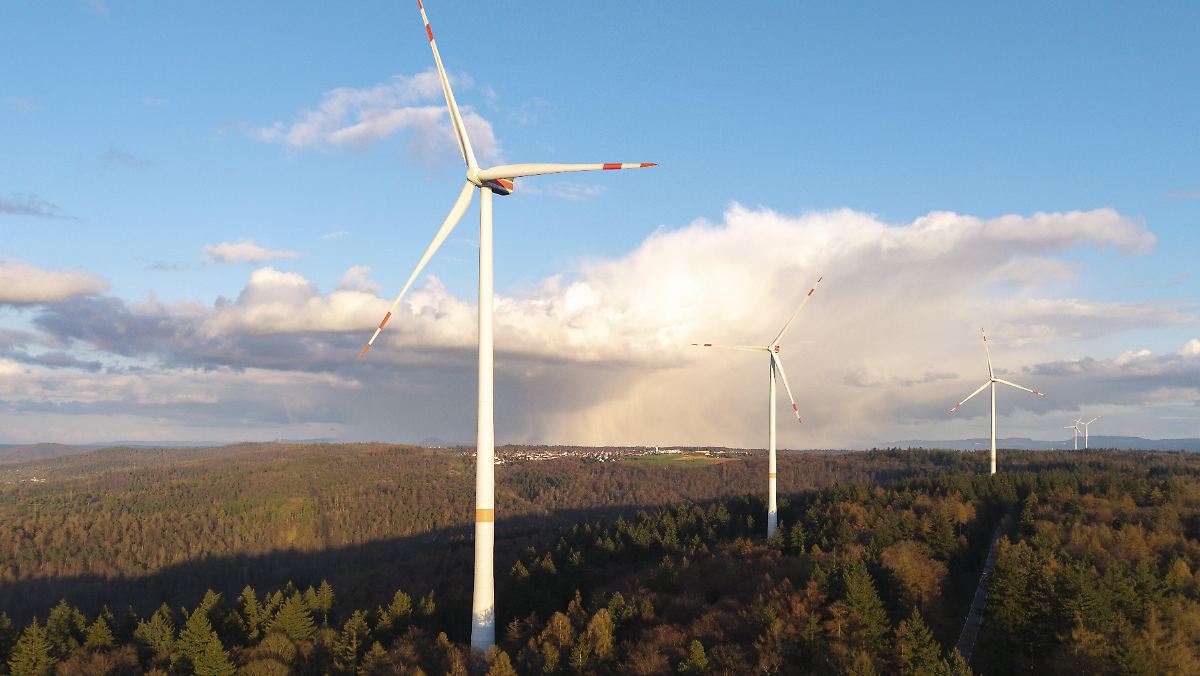
Abschaltungen notwendig: Netzengpässe bremsen Einspeisung erneuerbarer Energien
Germany’s energy transition is hitting a critical infrastructure bottleneck. Network congestion is forcing operators to curtail renewable energy output, costing consumers billions and raising questions about the pace of grid modernization. As of early 2026, approximately 3.5% of renewable energy generation is being curtailed, with costs exceeding €3.1 billion annually, according to the Bundesnetzagentur. This situation is driving demand for advanced grid management solutions and prompting a re-evaluation of investment incentives for renewable projects.
The Fiscal Impact of Gridlock
The core problem isn’t a lack of renewable energy supply; it’s the inability to efficiently transport it from where it’s generated – largely in the north – to demand centers in the south. This necessitates a costly process called “redispatch,” where cheaper renewable energy is deliberately curtailed even as more expensive, often fossil fuel-based, power plants are ramped up to maintain grid stability. This isn’t merely an operational inefficiency; it’s a direct drag on consumer wallets and a setback for decarbonization efforts. The €3.1 billion figure, as reported by the Bundesnetzagentur, represents a substantial transfer of wealth from renewable energy producers to conventional power generators, ultimately borne by electricity ratepayers. This situation is particularly acute in Bavaria and Baden-Württemberg, where industrial demand is high and grid infrastructure is lagging.
The financial implications extend beyond direct redispatch costs. The uncertainty surrounding grid access is impacting investment decisions in novel renewable energy projects. Developers are increasingly hesitant to proceed with projects in areas with limited grid capacity, fearing that their output will be routinely curtailed. This creates a chilling effect on the energy transition and jeopardizes Germany’s ambitious climate goals. The reliance on redispatch creates volatility in wholesale electricity prices, making it tricky for businesses to plan their energy costs. Companies are actively seeking ways to mitigate this risk, turning to energy risk management consultants to navigate the complex regulatory landscape and optimize their energy procurement strategies.
The Regulatory Response and Emerging Conflicts
The German government is attempting to address the issue through a combination of accelerated grid expansion and regulatory changes. However, these efforts are facing significant headwinds. Grid expansion projects are often delayed by permitting issues, local opposition, and supply chain bottlenecks. The proposed changes to investment incentives, which would eliminate guaranteed compensation for curtailed renewable energy in congested areas, are sparking fierce opposition from the renewable energy industry.
“The proposed changes send the wrong signal to investors. Removing the compensation for curtailment effectively penalizes renewable energy producers for connecting to the grid. This will stifle investment and slow down the energy transition,” argues Dr. Klaus Schmidt, CEO of BayWa r.e., a leading renewable energy developer. (Source: Interview with Reuters, March 28, 2026)
The Ministry for Economic Affairs and Climate Action argues that the changes are necessary to incentivize more efficient grid planning and to ensure that renewable energy projects are located in areas with sufficient grid capacity. However, critics contend that the changes will disproportionately impact smaller renewable energy producers and will exacerbate the existing inequalities in the energy market. The debate highlights the inherent tension between the need to accelerate the energy transition and the desire to maintain a stable and predictable investment environment. This complex interplay of factors is driving increased demand for specialized regulatory compliance services to aid companies navigate the evolving legal and policy landscape.
A Deeper Dive: The Cost Breakdown & Regional Disparities
The Bundesnetzagentur’s data reveals a nuanced picture of the costs associated with grid congestion. While the overall cost of redispatch is approximately €3.1 billion, the distribution of these costs varies significantly by region. Bavaria and Baden-Württemberg, as mentioned earlier, bear the brunt of the burden, accounting for over 60% of the total redispatch costs. Here’s due to their high industrial demand, limited grid capacity, and geographical location at the end of the transmission network.
the cost of redispatch is not evenly distributed across different types of renewable energy. Wind energy, particularly onshore wind, is disproportionately affected by curtailment, as it is often located in areas with limited grid capacity. Solar energy, is less affected, as it is more geographically dispersed and can be more easily integrated into the grid.
To illustrate the financial impact, consider the following hypothetical scenario: A 100 MW wind farm in Schleswig-Holstein is curtailed for an average of 10 hours per day due to grid congestion. Assuming an average wholesale electricity price of €0.05 per kWh, the wind farm loses approximately €50,000 per day in revenue. Over a year, this amounts to a loss of €18.25 million. While the wind farm receives compensation for curtailment, this compensation typically does not fully cover the lost revenue.
The Role of Technology and Innovation
Addressing the grid congestion problem requires a multi-faceted approach that combines grid expansion, regulatory reforms, and technological innovation. Smart grid technologies, such as advanced metering infrastructure (AMI), dynamic line rating (DLR), and real-time grid monitoring systems, can help to optimize grid utilization and reduce the need for redispatch.
- Advanced Metering Infrastructure (AMI): Enables two-way communication between utilities and consumers, providing real-time data on energy consumption and enabling demand response programs.
- Dynamic Line Rating (DLR): Adjusts the capacity of transmission lines based on real-time weather conditions, allowing for increased power flow without compromising grid stability.
- Real-Time Grid Monitoring Systems: Provide operators with a comprehensive view of grid conditions, enabling them to identify and respond to potential congestion points.
energy storage technologies, such as batteries and pumped hydro storage, can help to smooth out the intermittent nature of renewable energy and reduce the need for curtailment. However, the deployment of these technologies requires significant investment and supportive regulatory frameworks. Companies specializing in grid modernization are poised to benefit from the growing demand for these solutions.
Looking Ahead: A Call for Strategic Partnerships
The challenges facing Germany’s energy transition are complex, and multifaceted. Addressing these challenges requires a collaborative effort involving government, industry, and consumers. Accelerating grid expansion, reforming regulatory frameworks, and investing in innovative technologies are all essential steps. However, perhaps the most important step is to foster a more strategic and integrated approach to energy planning.
The current situation underscores the need for businesses to proactively manage their energy risks and to explore opportunities to optimize their energy consumption. The World Today News Directory provides a comprehensive platform for connecting with vetted B2B partners who can help navigate these challenges. From energy risk management consultants to regulatory compliance experts and grid modernization specialists, we offer a curated network of providers to support your energy transition journey. Don’t let grid congestion derail your business – explore our directory today and locate the partners you need to thrive in the evolving energy landscape.