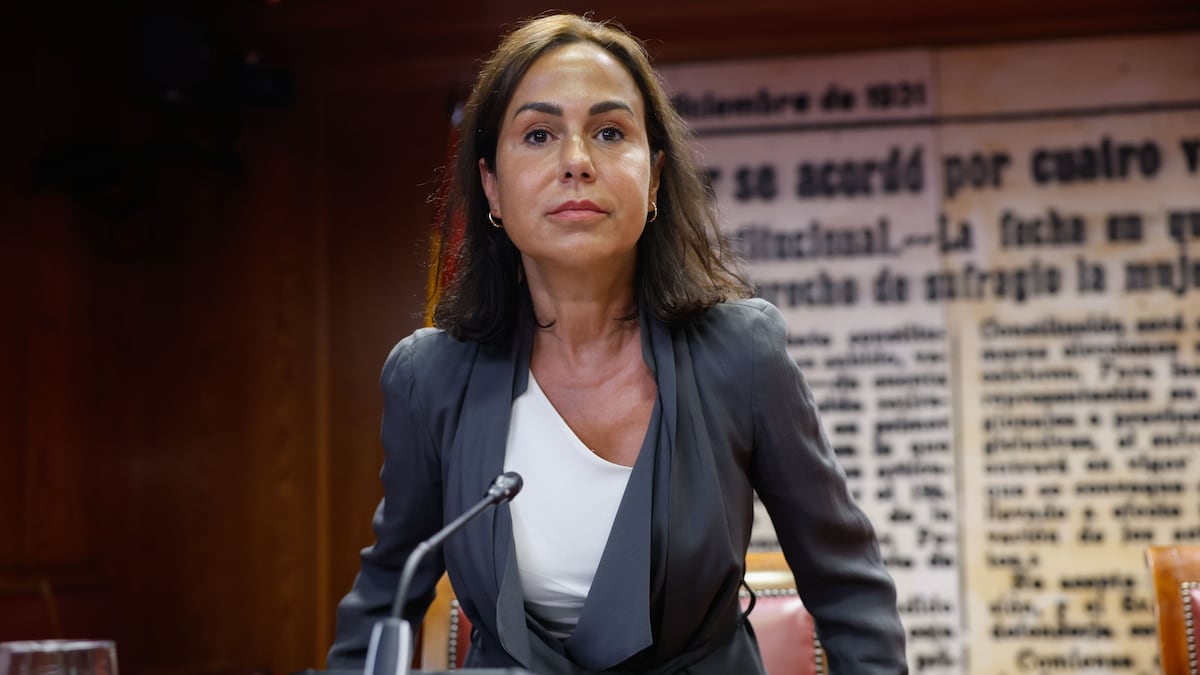
Ábalos Trial: Investigating Pandemic Face Mask Contracts
Former Spanish Minister José Luis Ábalos, along with businessman Koldo García and others, are currently facing trial before the Spanish Supreme Court in Madrid. The proceedings center on alleged corruption and influence peddling regarding lucrative face mask contracts during the COVID-19 pandemic, testing the integrity of Spain’s public procurement systems.
This isn’t just a courtroom drama about overpriced medical supplies. It is a systemic failure of oversight that has left a lasting scar on the Spanish administrative state. When the lines between political patronage and public procurement blur, the result is a “corruption tax” paid by the citizen through inflated prices and degraded public trust.
The problem is clear: the erosion of transparency in emergency contracting. For businesses and citizens, this creates a volatile environment where merit is secondary to connections. To navigate these murky waters, many firms are now prioritizing compliance and regulatory law firms to ensure their own government contracts are bulletproof and ethically sourced.
The Anatomy of the Mask Scandal
The trial has now entered a decisive phase. The focus has shifted toward the specific mechanisms of the “Koldo Case,” examining how contracts for the state-owned railway infrastructure manager, Adif and the ports authority were steered toward specific intermediaries. The court is meticulously dissecting the relationship between Ábalos and Koldo García, questioning whether the former used his ministerial influence to facilitate millions of euros in contracts.

It is a classic study in the cursus honorum of power—the ladder of political ascent and the subsequent fall when that power is leveraged for private gain.
The evidence involves a complex web of commissions and “success fees.” The prosecution argues that these were not legitimate business expenses but kickbacks designed to enrich a small circle of insiders while the country was in the grip of a global health crisis. The sheer scale of the alleged graft has forced a reckoning within the Spanish judiciary, specifically regarding how “emergency decrees” can be abused to bypass standard competitive bidding processes.
“The danger in these cases is not merely the theft of public funds, but the normalization of the ‘shortcut.’ When emergency legislation becomes a permanent loophole for influence peddling, the very foundation of the rule of law is compromised.”
This quote, reflecting the sentiment of leading Spanish legal analysts, underscores why this trial is a bellwether for future governance in the European Union. The Spanish Supreme Court is not just judging individuals; it is auditing a process.
Regional Fallout and Infrastructure Implications
While the trial takes place in Madrid, the ripples are felt across every autonomous community. The contracts involved Adif and various port authorities, meaning the financial irregularities affected infrastructure projects from the Mediterranean coast to the Atlantic ports of Galicia. When public funds are diverted into private pockets, the quality of regional logistics and transport infrastructure inevitably suffers.
The “Information Gap” here is the long-term economic drag. Corruption in public works leads to “ghost projects” or suboptimal construction. In the wake of these revelations, regional municipalities are scrambling to audit their own procurement histories. This has created a surge in demand for independent forensic auditors capable of scrubbing years of ledger entries to find hidden discrepancies.
To understand the broader context, one must look at the Transparency International report on Spain, which highlights the persistent struggle against systemic corruption in public administration. The “mask contracts” are a symptom of a deeper pathology within the Spanish political apparatus.
The Legal Chessboard: Evidence and Testimony
The current week of the trial is critical given that of the witnesses. Former high-ranking officials from Adif and the Ports authority are testifying. These are the bureaucrats who signed the papers. Their testimony will reveal whether they acted under duress, followed “informal” orders from the top, or were complicit in the scheme.

The prosecution’s strategy relies on proving a direct link between the political directive and the financial reward. This is a difficult needle to thread in Spanish law, where “influence peddling” requires a high threshold of proof regarding the quid pro quo.
Consider the following timeline of the legal progression:
| Phase | Key Focus | Legal Implication |
|---|---|---|
| Initial Investigation | Bank accounts and commissions | Establishing the flow of illicit funds. |
| Indictment | Role of José Luis Ábalos | Determining the level of ministerial intervention. |
| Current Trial (2026) | Bureaucratic Testimony | Connecting political influence to specific contract awards. |
The defense will likely argue that the chaos of the pandemic necessitated rapid decision-making and that any irregularities were the result of urgency, not malice. However, the evidence of luxury purchases and unexplained wealth among the intermediaries makes this “urgency” defense difficult to maintain.
For those caught in the crossfire—companies that were legitimate partners but found themselves associated with tainted contracts—the fallout is reputational. Recovering from a “guilt by association” scenario in the public sector requires aggressive corporate reputation management services to restore trust with government stakeholders.
The Precedent for Future Governance
The outcome of the Ábalos trial will likely dictate how Spain handles emergency procurement for the next decade. If the court imposes severe penalties, it will signal a zero-tolerance policy for the “emergency loophole.” If the sentences are light, it may embolden future officials to treat public coffers as personal ATMs during times of crisis.
The broader European context is too relevant. The European Anti-Fraud Office (OLAF) often monitors such cases to determine if EU recovery funds—such as those from the NextGenerationEU initiative—are being managed with sufficient oversight. Spain’s ability to clean house is a prerequisite for maintaining its standing within the Eurozone’s financial architecture.
We must also consider the role of the Spanish Supreme Court (Tribunal Supremo). By taking this case, the highest court in the land is asserting that political status does not grant immunity from criminal scrutiny. This is a vital step toward the “de-politicization” of justice in Spain.
The trial is a reminder that in the digital age, the paper trail never truly disappears. Digital footprints, encrypted messages, and bank transfers are the modern witnesses that do not forget and do not lie.
As the proceedings continue, the focus will remain on whether the Spanish state can successfully excise this tumor of corruption or if it will simply be rebranded for the next crisis. For the business community, the lesson is clear: transparency is no longer a moral choice, but a survival strategy. Those who wish to operate sustainably in the global market must ensure they are partnered with verified, ethical entities. When the dust settles in the Madrid courtrooms, the only companies left standing will be those who invested in integrity long before the subpoenas arrived. Finding those verified partners starts with a commitment to transparency, a standard we uphold daily at the World Today News Directory.