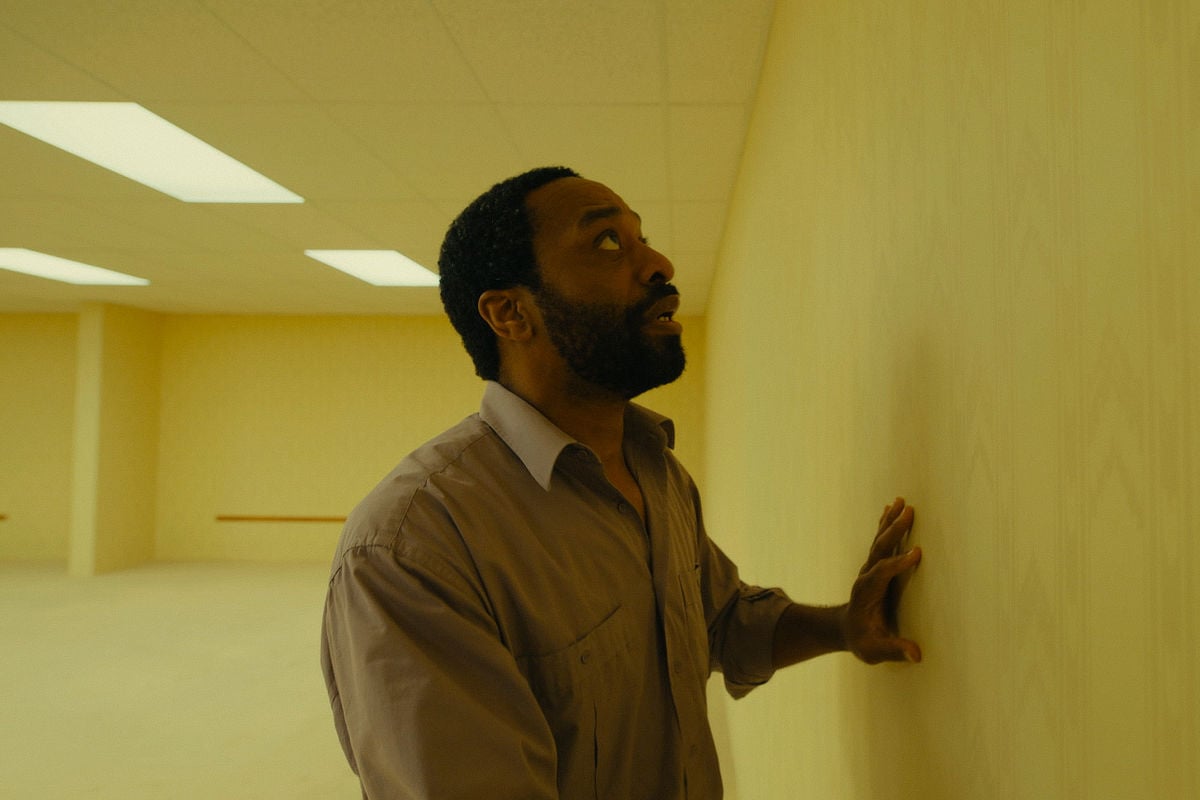
A24 Sets May 2026 Release Date for Backrooms Movie
A24 will release Kane Parsons’ sci-fi horror film Backrooms in theaters on May 29, 2026. The R-rated feature adapts the viral “liminal space” internet phenomenon, leveraging A24’s prestige branding to transition a digital-native creepypasta into a high-stakes theatrical event aimed at Gen Z and horror aficionados.
We are currently in the frantic window of the pre-summer rush, where studios gamble on “elevated horror” to capture the youth demographic before the blockbuster fatigue of June sets in. For A24, Backrooms isn’t just another addition to their horror slate; It’s a calculated experiment in brand equity. They are attempting to commodify “liminality”—that unsettling feeling of being in a transitional space, like an empty office corridor or a deserted airport terminal—and package it for a paying audience. The transition from a free, community-driven YouTube series to a ticketed cinematic experience is a precarious leap. If the film over-explains the mystery, it kills the highly uncanny valley that made the original concept a viral sensation.
The High-Stakes Pivot from YouTube to the Silver Screen
Kane Parsons didn’t follow the traditional indie-to-studio pipeline. He built a digital empire on a foundation of atmospheric dread and meticulously rendered CGI, proving that the modern audience craves environmental storytelling over traditional plot beats. By handing the keys to A24, Parsons is essentially betting that the “found footage” aesthetic can survive the scrutiny of a 4K theatrical projection. The R-rating suggests a pivot toward visceral horror, moving beyond the psychological tension of the web series into something more aggressive.

This move mirrors a larger industry trend where studios are scouting for “pre-validated IP” on platforms like TikTok and YouTube to mitigate the financial risk of original screenplays. However, the “Backrooms” intellectual property is a messy beast. Because the concept originated as a collaborative internet meme, the line between community ownership and corporate copyright is often blurred. When a project scales from a bedroom setup to a multi-million dollar production, the legal architecture must be airtight to avoid the kind of copyright infringement lawsuits that have plagued other internet-born franchises.

“The challenge with liminal horror is that it relies on the absence of narrative. The moment you introduce a traditional antagonist or a clear ‘why,’ you risk destroying the atmospheric dread. A24 is playing a dangerous game by trying to give a structure to a void.” — Marcus Thorne, Senior Analyst at CinemaMetrics
Securing these rights requires more than a standard contract; it demands a surgical approach to intellectual property law and copyright management to ensure that the creator’s backend gross is protected while the studio secures global distribution and SVOD rights. Without an elite legal team, the transition from a “content creator” to a “feature director” can quickly turn into a contractual nightmare.
Decoding the Economics of Liminal Horror
From a business perspective, Backrooms is a low-overhead, high-reward play. Unlike the bloated budgets of superhero cinema, atmospheric horror relies on mood and minimalism. According to Variety, A24 has mastered the art of the “prestige pivot,” using limited theatrical windows to build critical heat before moving titles to streaming platforms to maximize ancillary revenue. By positioning Backrooms as a theatrical event, they are inflating the perceived value of the IP before it inevitably hits the SVOD market.
The financial success of the film will likely be measured not just by the opening weekend box office, but by its “cultural resonance” metrics. In an era where the algorithm dictates taste, A24 is relying on the organic social media momentum already generated by the “liminal space” community. This is a symbiotic relationship: the studio provides the professional polish and global reach, while the internet provides a built-in, hyper-engaged marketing army.
However, this level of exposure brings a specific kind of vulnerability. A single viral negative review from a core community member can trigger a landslide of “sell-out” accusations. When a brand faces this kind of niche-community backlash, standard PR scripts fail. The studio’s strategy likely involves deploying specialized crisis communication firms capable of navigating the volatile landscape of internet fandom to ensure the film’s brand equity remains intact.
The Industrial Shift Toward Algorithmic Casting
Beyond the visuals, the production of Backrooms represents a shift in how talent is sourced. We are seeing the rise of the “creator-director,” where the ability to capture an audience’s attention on a smartphone is viewed as a more valuable skill than traditional film school pedagogy. This shift is forcing top-tier talent agencies to rethink their scouting processes, moving away from the traditional circuit and toward data-driven recruitment based on engagement rates and retention metrics.

The industry is currently grappling with how to integrate these digital natives into the rigid hierarchy of a unionized film set. As noted in The Hollywood Reporter, the tension between “creator speed” and “studio precision” often leads to friction during post-production. For Parsons, the challenge will be maintaining his singular vision while satisfying the demands of a studio that needs to hit specific quarterly KPIs and theatrical windows.
“We are witnessing the death of the ‘mystery box’ as a gimmick and the birth of ‘environmental IP.’ The audience no longer wants a plot twist; they want a vibe they can inhabit. The Backrooms is the gold standard of this shift.” — Elena Voss, Creative Director at NeonPulse Media
As we look toward the May 29 release, the real question isn’t whether the movie will be scary, but whether it can sustain the “uncanny” feeling for 90 minutes on a massive screen. The cinematic experience is designed to overwhelm the senses, but liminal horror thrives on the feeling of being under-stimulated and isolated. It is a paradoxical goal that requires a masterclass in sound design and pacing.
Whether Backrooms becomes a box office juggernaut or a cult curiosity, it signals a permanent change in the media landscape. The walls between “internet content” and “cinema” have not just been breached; they’ve been demolished. For the creators and executives navigating this new terrain, the only way to survive is to have the right infrastructure in place—from the legal frameworks that protect the IP to the PR machines that manage the fallout. As the industry continues to evolve, the World Today News Directory remains the essential resource for finding the vetted legal experts, PR strategists, and production vendors who turn viral moments into enduring legacies.
Disclaimer: The views and cultural analyses presented in this article are for informational and entertainment purposes only. Information regarding legal disputes or financial data is based on available public records.