A predawn earthquake struck near Commerce, California, on Friday, Nov
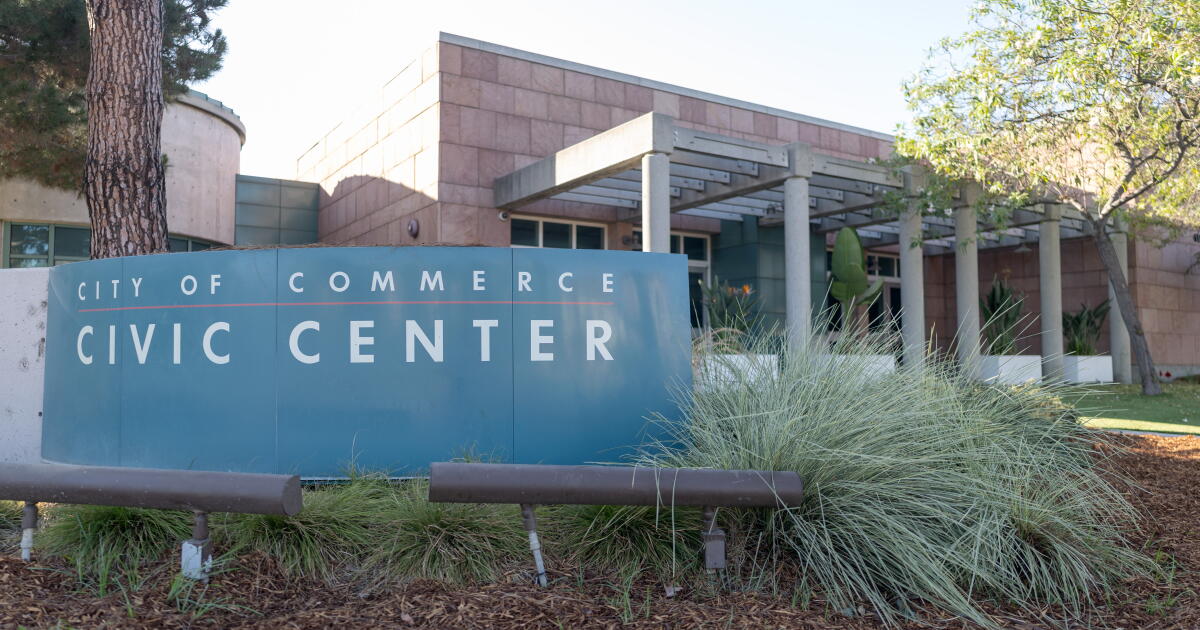
A predawn earthquake struck near Commerce, California, on Friday, Nov. 20, 2026, jolting residents across the Los Angeles basin at 3:25 a.m. Pacific time.
While the U.S. Geological Survey reported the magnitude as 4.4 in some accounts and 4.2 in others, the temblor caused no immediate reports of injuries or significant structural damage.
The epicenter was located approximately 1 mile northwest of Commerce, situated about 5 miles southeast of downtown Los Angeles at a depth of 10.6 miles. According to the Los Angeles Fire Department, personnel from all 106 neighborhood fire stations were deployed to survey the city’s 470-square-mile jurisdiction for potential impacts on critical infrastructure.
The jolt / noise of that Earthquake was really no fun. 😩 #LAQuake
The tremor was widely felt, with reports extending to Pasadena, North Hollywood, Gardena, and Riverside. More than 7,500 people submitted accounts to the Did You Feel It? system within the first hour of the event.
The exact fault responsible for the shaking remains uncertain. Earthquake expert Lucy Jones stated on BlueSky that the area contains a series of buried thrust faults, suggesting the event could be linked to the Puente Hills system, as reported by the Los Angeles Times. This system is considered a major seismic hazard due to its proximity to dense urban areas.
The Puente Hills thrust fault system runs directly beneath downtown Los Angeles, the San Gabriel Valley, and northern Orange County. The U.S. Geological Survey and Southern California Earthquake Center have previously estimated that a magnitude 7.5 quake in this system could result in between 3,000 and 18,000 fatalities, with economic losses potentially reaching $252 billion, according to federal hazard assessments.
The region has experienced similar events in recent years, including a magnitude 4.4 earthquake that impacted the El Sereno area in 2024.
The ShakeAlert computer system detected the earthquake, but it did not trigger a cellular alert for residents. USGS scientist Bob De Groot explained that the system is calibrated to send alerts to mobile devices only for earthquakes magnitude 4.5 and greater. Because this event fell just below that threshold, no public alerts were issued to phones.
The system did perform as intended for institutional users. Approximately 100 ShakeAlert-equipped schools within the Los Angeles Unified School District received notifications before the shaking arrived. The district is currently working to install this technology across its K-12 campus network.

Los Angeles Mayor Karen Bass confirmed that no operational impacts were reported at major hubs, including LAX. Following the survey of the city, the Los Angeles Fire Department concluded its earthquake response protocol, confirming that operations have returned to normal.
Officials continue to advise residents to practice Drop, Cover, and Hold On procedures during seismic activity.
“While unsettling, there are no immediate reports of damage or operational impacts, including at LAX,” Mayor Bass wrote on social media. “The LAFD and City teams will continue to monitor and update as needed.”
The U.S. Geological Survey maintains that earthquake prediction remains scientifically impossible, emphasizing that monitoring seismic activity and calculating probabilities are the primary methods for assessing regional risk. Residents are encouraged to prepare for potential aftershocks, as California sits along the boundary of the Pacific and North American plates, where hundreds of active faults continue to generate stress within the Earth’s crust.