
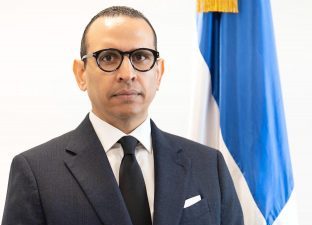
Santo Domingo, Dominican Republic – A surge in illicit construction materials, including falsified electrical components and substandard building supplies, is posing a growing threat to public safety and economic stability in the Dominican Republic, according to César Dmitri Roa Castillo, Director of Commerce Ilícito at the Ministry of Industria, Comercio y Mipymes (MICM).
For years, the illicit trade in the Dominican Republic has been largely associated with sectors like alcohol, tobacco, and pharmaceuticals. However, Roa Castillo notes a recent and concerning shift towards the construction industry, where illegally imported or produced materials are increasingly prevalent. These products, often originating from Asian markets, are frequently offered at significantly lower prices than those available through formal channels, creating unfair competition for legitimate businesses.
“These aren’t victimless crimes,” Roa Castillo stated in a recent article published by almomento.net. “Counterfeit or low-quality electrical wiring, breakers, and other components can lead to technical failures, short circuits, and even fires, putting Dominican families at risk.”
The issue extends beyond safety concerns, impacting the overall economic health of the nation. The influx of illicit goods distorts market dynamics, undermines formal businesses, and contributes to the informal economy. Roa Castillo’s recent book, “Obligatoriedad del Registro del Nombre Comercial, en Violación a las Normas Jurídicas Vigentes en la República Dominicana,” published by Letrame Grupo Editorial, addresses broader issues of formalization and the challenges faced by Micro, Small, and Medium Enterprises (MSMEs) in the Dominican Republic, a sector particularly vulnerable to unfair competition from illicit trade.
The MICM, under the leadership of Minister Víctor “Ito” Bisonó, has been actively combating illicit trade across various sectors for the past five years. According to Roa Castillo, these efforts have resulted in the seizure and destruction of over 160 million units of illicit merchandise, including adulterated alcohol, illegal tobacco, pharmaceuticals, cosmetics, and fuels. The Directorate of Commerce Ilícito works in coordination with the General Directorate of Customs, the Public Prosecutor’s Office, ProConsumidor, and state security agencies to identify and disrupt irregular commercial schemes.
Roa Castillo, who previously served in the Public Prosecutor’s Office, brings a comprehensive perspective to the issue, viewing illicit trade not merely as an administrative or commercial problem, but as a manifestation of organized structures that threaten economic security and market confidence. He emphasizes the need for increased consumer awareness and a preference for certified materials and formal suppliers within the construction sector.
The Dominican Republic has made significant strides in combating illicit trade, but Roa Castillo acknowledges that the challenges are constantly evolving. Strengthening control mechanisms and promoting market transparency remain ongoing priorities for the MICM, contributing to the country’s competitiveness, safety, and sustainable development.
