
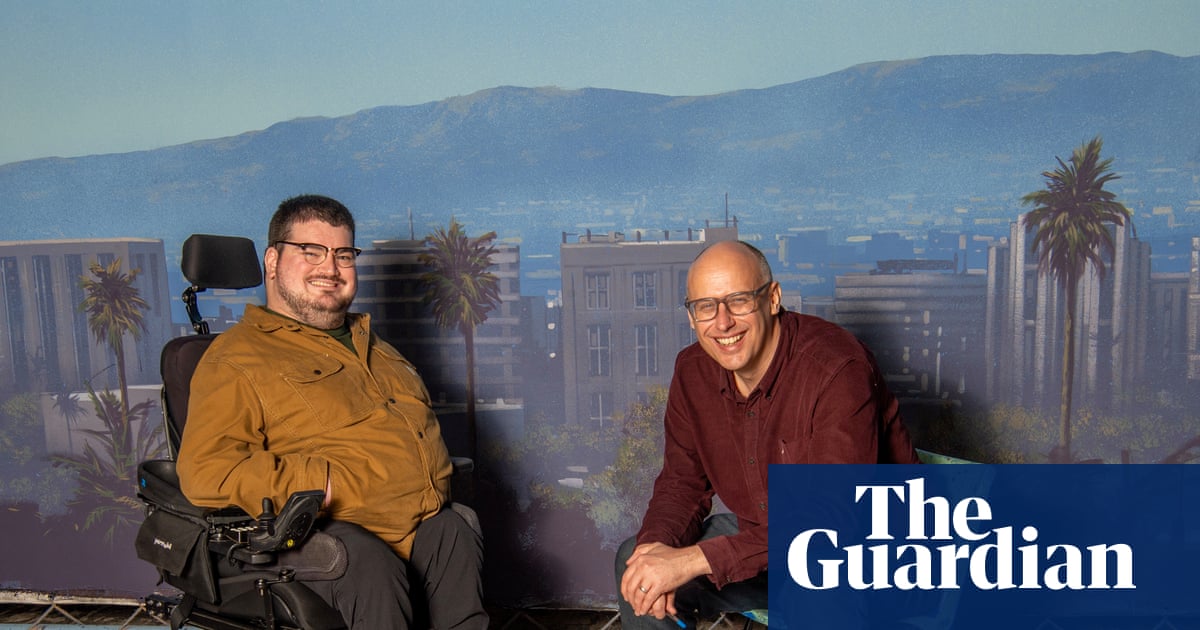
The National Film and Television School (NFTS) will, from 2027, offer fully accessible, purpose-built accommodation for physically disabled students, a move heralded as “massively transformative” by disability advocate Hamish Thompson. The initiative addresses a long-standing barrier for aspiring filmmakers and television professionals who previously faced limited housing options near the Buckinghamshire campus and significant accessibility challenges within the school itself.
For years, physically disabled students hoping to study at the UK’s leading film and TV school encountered hundreds of inaccessible areas on campus, and a lack of suitable nearby accommodation. The NFTS has identified 200 inaccessible areas within its historic Beaconsfield site, the former home of Beaconsfield Film Studios, but aims to eliminate these obstacles by the time the latest accommodation opens. The new building, named the Cubby Broccoli Building after the late James Bond producer Albert R “Cubby” Broccoli, will increase the school’s footprint by a quarter.
The accommodation project is coupled with the launch of the NFTS Accessible Living Bursary, which will fully fund on-site accommodation for physically disabled students for the duration of their course. The bursary was initially unveiled by screenwriter Jack Thorne in July 2025, following a fundraising gala that exceeded its £100,000 target, raising £175,000. Thorne, a passionate disability campaigner, described the initiative as “vital and beautiful work” that would “change our industry for the better.”
Thorne’s call for greater inclusion came in his 2021 McTaggart lecture at the Edinburgh TV awards, where he argued that disability was the “forgotten diversity” within the media industry. He noted that while representation was improving, spaces and attitudes needed to change, with a goal of achieving full inclusion by 2030. He has since observed “vast” improvements, citing increasing data from Diamond, which tracks disabled representation, and the emergence of disabled writers like Kyla Harris and Billy Mager.
The NFTS has already seen an increase in the number of students with disabilities, rising from 15% of MA entrants in 2021 to 26% in 2025, and from 18% to 28% of diploma students. This progress, according to NFTS Director Jon Wardle, is partly driven by the school’s commitment to finding and “de-risking” talent for an industry that he acknowledges is “incredibly expensive” to operate in.
Thompson highlighted the importance of focusing on behind-the-camera roles, where disabled representation lags significantly. He also praised initiatives like the BBC’s Extend programme, which ringfences job opportunities for disabled people, and the growing number of access coordinator roles within productions.
The project is underpinned by £10 million in government funding, alongside matched private investment. Culture Secretary Lisa Nandy stated that the investment reflects the government’s belief that “talent is everywhere in this country, opportunity is not,” and that addressing this imbalance is crucial for the UK to “remain a creative powerhouse.” The NFTS is also planning to expand its presence in Scotland and Leeds.
Wardle stated that the NFTS already “outstrips the industry” on inclusion and diversity, with 33% of its graduates from underrepresented backgrounds, more than double the industry average. However, he acknowledged that maintaining this commitment can be challenging during periods of reduced commissions.
