
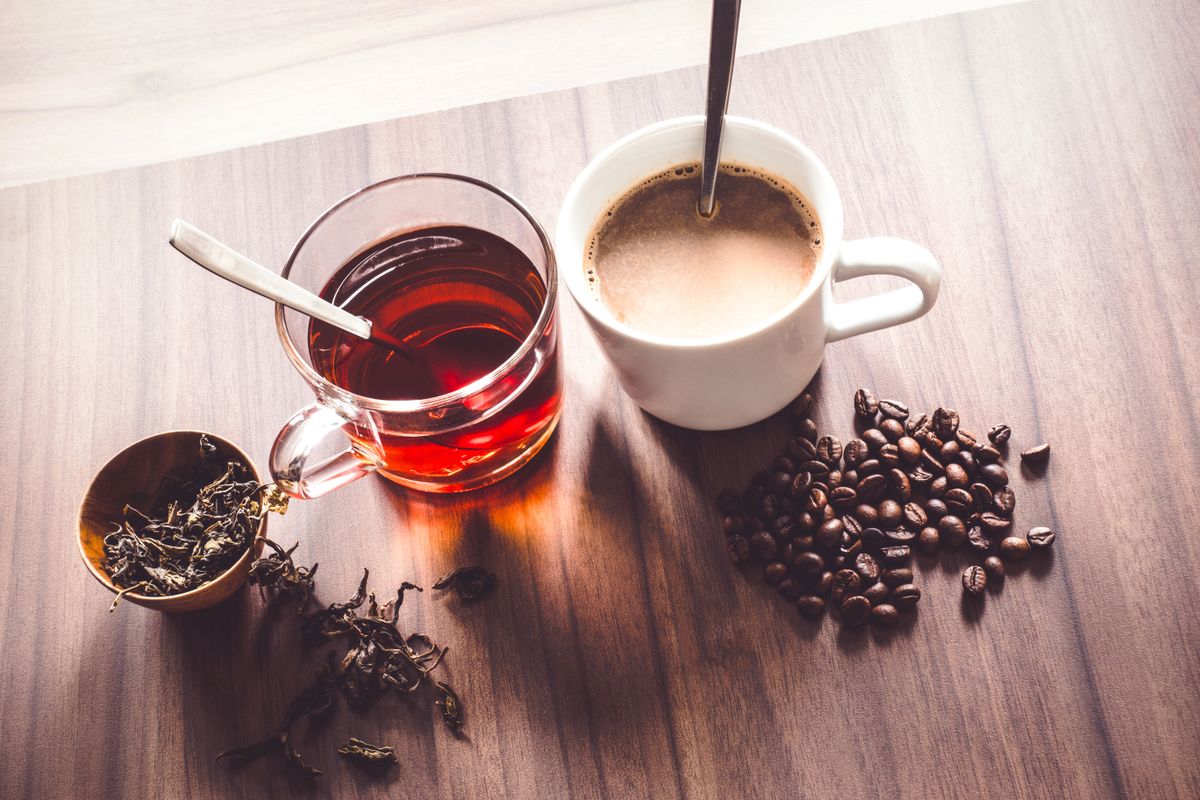
A large-scale study published in JAMA Neurology suggests a link between moderate consumption of caffeinated beverages and a reduced risk of dementia. Researchers followed over 130,000 individuals for 43 years, finding that drinking two to three cups of coffee daily was associated with an 18 percent lower risk of the condition. Tea consumption, at one to two cups per day, showed a 16 percent risk reduction.
The protective effects are likely due to the presence of polyphenols, plant-based compounds with antioxidant properties, found in both coffee and tea. These substances are believed to help limit inflammation in the brain. The combination of caffeine and polyphenols appears to have a beneficial effect on cognitive function, according to the study. Notably, decaffeinated coffee did not demonstrate the same association with reduced dementia risk, suggesting a role for caffeine itself.
Beyond brain health, moderate caffeine intake may also benefit cardiovascular health. An analysis in the Journal of Clinical Endocrinology and Metabolism indicates that approximately 200 to 300 milligrams of caffeine per day – roughly three cups of coffee – could contribute to a lower risk of heart problems in individuals without pre-existing conditions. This level of consumption may help prevent cardiometabolic diseases, such as stroke or heart attack.
The European Food Safety Authority (EFSA) sets a general upper limit of 400 milligrams of caffeine per day for healthy adults. The study found no additional benefits from exceeding two to three cups of coffee daily. These findings represent a statistical correlation within a large group, and individual effects may vary.
Yet, caffeine is not universally beneficial. The study acknowledges that individuals with anxiety, heart rhythm disturbances, or those who are pregnant should exercise caution. Symptoms like heart palpitations, restlessness, or disrupted sleep may indicate excessive caffeine intake. Individuals experiencing persistent issues are advised to consult a healthcare professional.
