
Brazil has confirmed 88 cases of Mpox across seven states, with São Paulo accounting for the majority – 62 cases as of today. The other confirmed cases are distributed as follows: Rio de Janeiro (15), Rondônia (4), Minas Gerais (3), Rio Grande do Sul (2), Paraná (1) and the Federal District (1), according to the Ministry of Health.
The Ministry of Health reports that cases are generally mild to moderate, with no deaths recorded to date. This contrasts with 2025, when the country registered 1,079 cases and two fatalities.
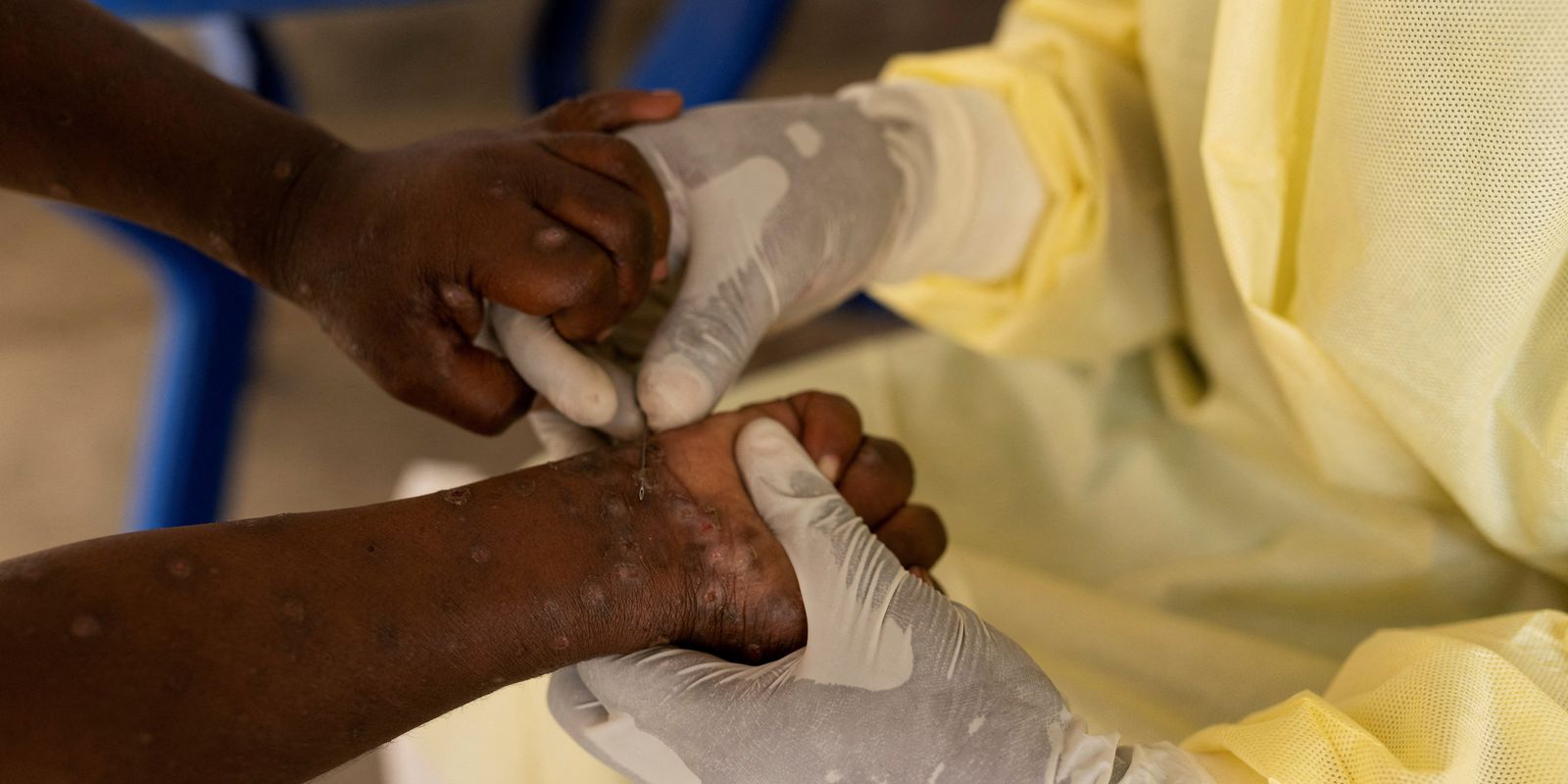
Mpox, caused by the Monkeypox virus, spreads through close personal contact with skin lesions, body fluids, blood, or mucous membranes of an infected person. The most common symptom is a skin eruption resembling blisters or sores, lasting between two and four weeks. Other symptoms can include fever, headache, muscle aches, back pain, fatigue, and swollen lymph nodes. The rash can appear on the face, palms of the hands, soles of the feet, groin, and/or genital and anal regions.
Transmission occurs through direct contact with an infected individual, including face-to-face communication, skin-to-skin contact (such as touching or sexual contact), mouth-to-mouth contact, or mouth-to-skin contact. The virus can also spread through shared objects recently contaminated with fluids or materials from infectious lesions.
The incubation period – the time between initial contact with the virus and the onset of symptoms – typically ranges from three to 16 days, but can extend to 21 days. The Ministry of Health emphasizes the importance of seeking medical attention for laboratory testing upon noticing symptoms, as this is the only way to confirm a diagnosis. Differential diagnoses should include varicella zoster, herpes zoster, herpes simplex, bacterial skin infections, disseminated gonococcal infection, primary or secondary syphilis, and other causes of papular or vesicular skin eruptions.
Individuals with suspected or confirmed Mpox are advised to immediately self-isolate, avoid sharing personal items like towels, clothing, and utensils, until the period of transmission has ended, the Ministry of Health stated.
Treatment focuses on alleviating symptoms, preventing complications, and avoiding long-term sequelae. There is currently no medication specifically approved for Mpox, and most cases present with mild to moderate symptoms.
Prevention centers on avoiding direct contact with individuals exhibiting symptoms. If contact is unavoidable, the use of gloves, masks, gowns, and eye protection is recommended. Frequent handwashing with soap and water or the use of hand sanitizer is also advised, particularly after contact with an infected person, their belongings, or surfaces that may have been contaminated.
The Ministry of Health recommends disinfecting surfaces and properly disposing of contaminated waste, such as bandages. Laundry should be washed in hot water with detergent.
While most cases resolve on their own within weeks, Mpox can lead to serious complications, particularly in newborns, children, and individuals with compromised immune systems. Severe cases can involve larger, more widespread lesions, secondary bacterial skin infections, bloodstream infections, pneumonia, and eye problems. Hospitalization, intensive care, and antiviral medications may be necessary for severe cases.
Available data suggests a mortality rate between 0.1% and 10%, though this can vary depending on access to healthcare and underlying immunosuppression.
The São Paulo State Health Secretariat (SES-SP) reports a slightly lower case count of 50 within the state, differing from the federal government’s figure. The city of São Paulo accounts for 31 of these cases. Other municipalities with confirmed cases include Campinas, Paulínia, Sumaré, Hortolândia, Sorocaba, Várzea Paulista, Araquara, Osasco, Cotia, Jandira, Serrana, Arujá, Santos, Guarulhos, and Pradópolis, each reporting one case. Ribeirão Preto and Mogi das Cruzes each have two confirmed cases. In January 2026, 79 cases were recorded in São Paulo, followed by 47 in February, totaling 126 cases in the first two months of the year.
