
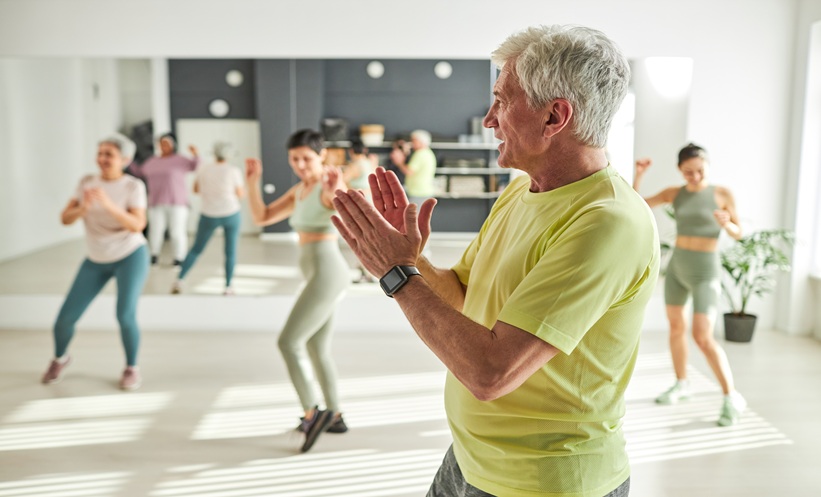
Frequent dancing is linked to a significantly reduced risk of dementia, according to a long-term study of older adults, with those dancing more than once a week experiencing up to a 76% lower risk compared to those who rarely danced. The findings, initially reported in January 2026 by The Washington Post, build on decades of research into lifestyle factors and cognitive decline.
The observational study, following community-dwelling adults aged 75 to 85 over two decades, assessed participants through neuropsychological testing and tracked their health and lifestyle habits. Researchers found that while many leisure activities were associated with some reduction in dementia risk, dancing demonstrated a particularly strong correlation. The analysis accounted for health and lifestyle factors to isolate the impact of dancing specifically.
“Studies show that activities requiring learning and memory – like dance – can stimulate neuroplasticity, the brain’s ability to form new neural connections,” explained researchers at Canada’s Baycrest Foundation, as reported by the Independent. “This enhanced brain activity helps keep the mind sharp and can even delay the onset of symptoms in those at risk for dementia.”
The potential benefit of dancing may stem from its unique combination of physical and cognitive demands. Unlike more repetitive forms of exercise, dancing requires individuals to learn and recall steps, maintain rhythm, coordinate movements, and often adapt to a partner – a complex multitasking process. This cognitive engagement could provide a more comprehensive stimulus to the brain than simpler physical activities like walking or swimming, which also showed favorable, though less pronounced, associations with reduced dementia risk in the study.
Yale University researchers have further highlighted the benefits, noting that dancing engages multiple parts of the brain. A 2024 study in the Journal of Personal Medicine, cited by the Stamford Advocate, contributed to the growing body of evidence supporting the cognitive benefits of dance. The activity also improves balance and lower-body strength, factors that are clinically relevant to maintaining mobility and independence in older adults.
While the study cannot prove a causal relationship between dancing and reduced dementia risk, the findings suggest that it could be a valuable and enjoyable way to promote brain health. Clinicians discussing preventative measures with older patients may find dancing a practical example of an activity that integrates movement, cognitive challenge, and social interaction. The American Journal of Medicine Reviews reported on the study, emphasizing the potential for dancing to be incorporated into healthier aging conversations.
Researchers at York University found that moving to Latin music for two years led to cognitive and stability improvements in people with Parkinson’s disease, a neurodegenerative disorder closely linked to dementia, further supporting the neurological benefits of dance.
