
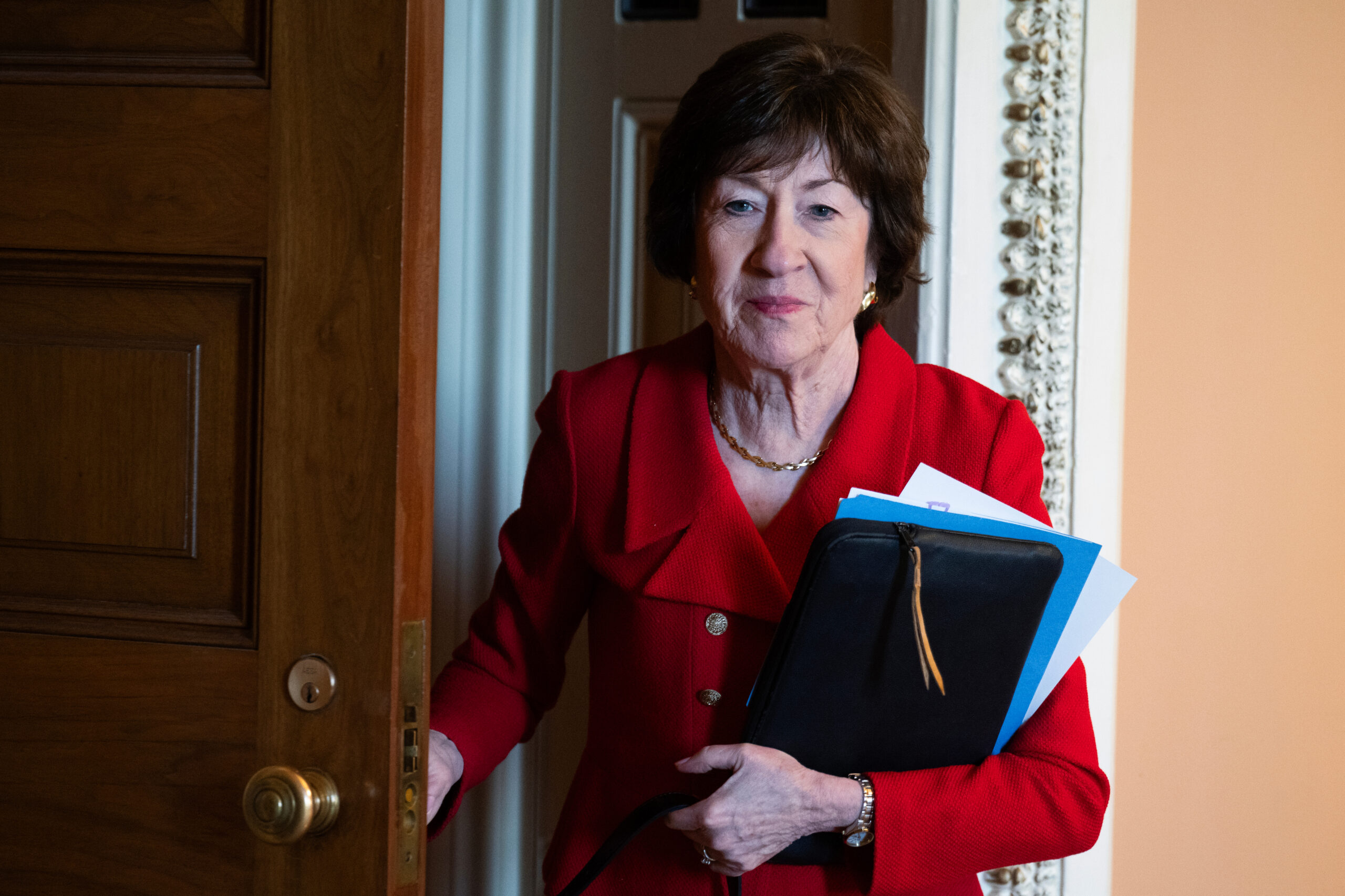
Maine Senator Susan Collins added her name as the 50th Senate supporter of the SAVE America Act on February 10, 2026, a move that positions Vice President JD Vance to break a potential tie and pass the controversial voter suppression bill, according to reports from Democracy Docket and Yahoo News.
The SAVE America Act has drawn sharp criticism from voting rights advocates, who characterize it as a sweeping effort to restrict ballot access. Collins’ support, despite a public image as a moderate, has prompted renewed scrutiny of her voting record. Critics point to a pattern of alignment with Republican efforts to tighten election laws, contrasting with her past rhetoric.
According to a recent scorecard cited in Democracy Docket, Collins has voted with former President Trump 96% of the time, a rate comparable to that of Senate Minority Leader Mitch McConnell and exceeding that of Senator Rand Paul. This consistency challenges the perception of Collins as an independent voice, particularly on issues related to voting rights.
During the Biden administration, Collins opposed both the For the People Act and the Freedom to Vote Act, Democratic-led initiatives aimed at expanding voting access. She as well voted against the John R. Lewis Voting Rights Advancement Act, reportedly citing its length as a concern, a justification critics have dismissed as disingenuous given her previous opposition to a shorter version of the same bill in 2014.
The SAVE America Act would impose uniform changes to state voting laws, despite claims by Collins that states have been “successfully conducting elections for a very long time.” This stance appears contradictory, as the bill itself necessitates alterations to existing state procedures. For example, the Act would ban the use of college and university IDs for voter registration, even in states like Maine, where such IDs are currently accepted, and where Governor Janet Mills recently expanded voting rights for students.
Collins previously expressed support for disclosing “dark money” in campaigns, but in 2010, she voted against the DISCLOSE Act, which would have mandated such disclosures. This pattern, observers note, demonstrates a consistent opposition to measures that would broaden participation in the electoral process.
Even as Collins has highlighted her support for the reauthorization of the Voting Rights Act in 2006, that vote occurred when bipartisan support was overwhelming. More recently, her support for the bipartisan reform of the Electoral Count Act in 2022 also came amidst broad consensus. Her willingness to take a firm stance against voting rights expansions, however, is consistently aligned with Republican priorities.
The decision to publicly support the SAVE America Act came shortly after Collins was photographed in the Oval Office with former President Trump, holding a “MAGA” hat, while he repeated unsubstantiated claims of election fraud and called for federal intervention in state vote counting procedures.
Governor Janet Mills, Collins’ opponent in the upcoming November election, has not yet commented directly on Collins’ vote. The Senate is scheduled to debate the SAVE America Act next month, with Vice President Vance poised to cast the tie-breaking vote if necessary.
