
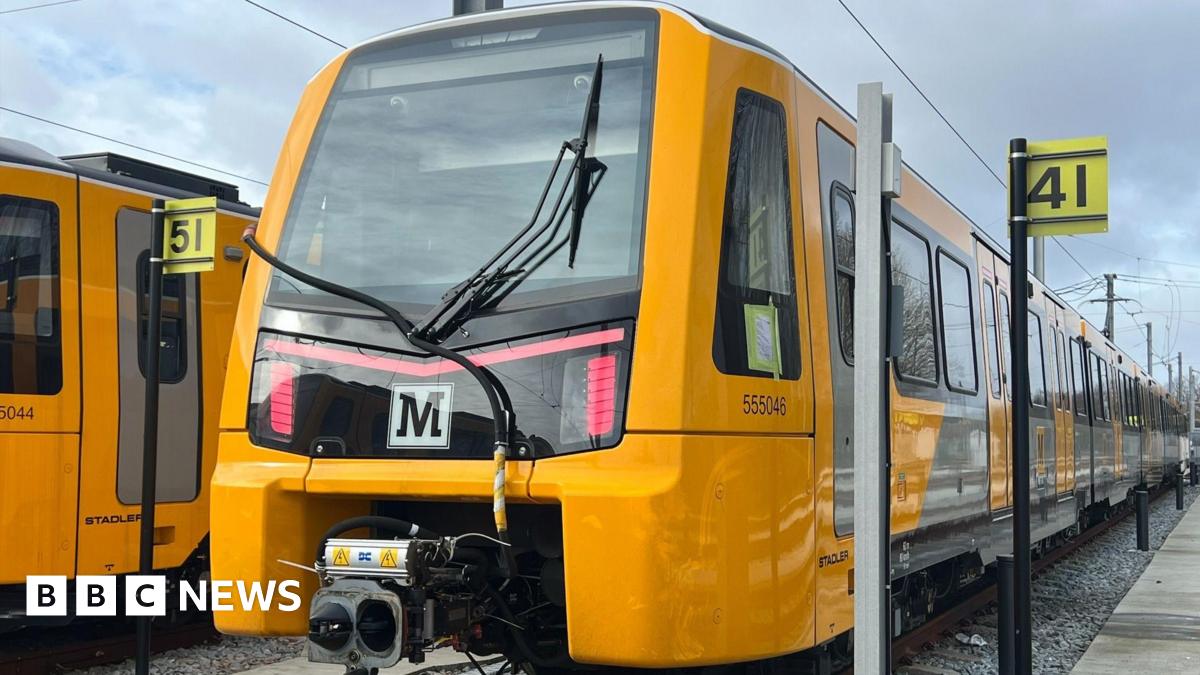
The final original Tyne and Wear Metro trains are being removed from service and dismantled for recycling, with the majority scrapped despite earlier plans to repurpose them for community apply. The process, which began in August 2025, marks the end of an era for the trains that have operated for 43 years, as a new £362m fleet manufactured by Swiss firm Stadler is rolled out across the network.
Nexus, the public body responsible for the Metro, initially considered donating the retiring trains for conversion into classrooms, community hubs, or even street food outlets. Although, the project was abandoned due to the “complexity of delivery arrangements” and associated costs, according to customer services director Huw Lewis. “We recognise that there is affection and nostalgia for the trains,” Lewis said, “However, they are now at the end of their life and will be gradually phased out over the next two years as the new Stadler trains enter service.”
The dismantling is taking place at a specialist recycling site near Bishop Auckland, County Durham. Metal components, including aluminium, copper, and steel, are being harvested and exported to countries including Spain, Turkey, and India. As of August 2025, almost a third of the existing rolling stock – 29 trains – had already been recycled. Paul Welford, from Nexus, stated the trains had been “real workhorses” and that recycling the materials “reduces the energy and carbon consumed if such metals were manufactured from scratch.”
Two trains are being preserved for heritage purposes. One will be donated to the Stephenson Steam Railway in North Tyneside, and another to Beamish Museum in County Durham. A further train is being given to the Tyne and Wear Fire Rescue Service for use in crew training exercises. The first of the new Stadler trains was delivered in February 2023, but entered passenger service in December 2024.
More than half of the new fleet is currently in operation, according to Nexus. The remaining trains are undergoing “rigorous testing” before being approved for passenger use. Nexus anticipates the last of the vintage Metro trains will be taken out of service between late spring and early summer. Stadler head Lucius Gerig described the delivery of the entire new fleet as a “proud moment.”
