
Samarinda, Indonesia – Healthcare financing in Samarinda City remains heavily weighted towards hospital-based referral services, particularly for chronic illnesses requiring long-term care and advanced medical technology, according to city health officials. The observation comes as the local government anticipates potential impacts from new policies issued by the national social security agency, BPJS.
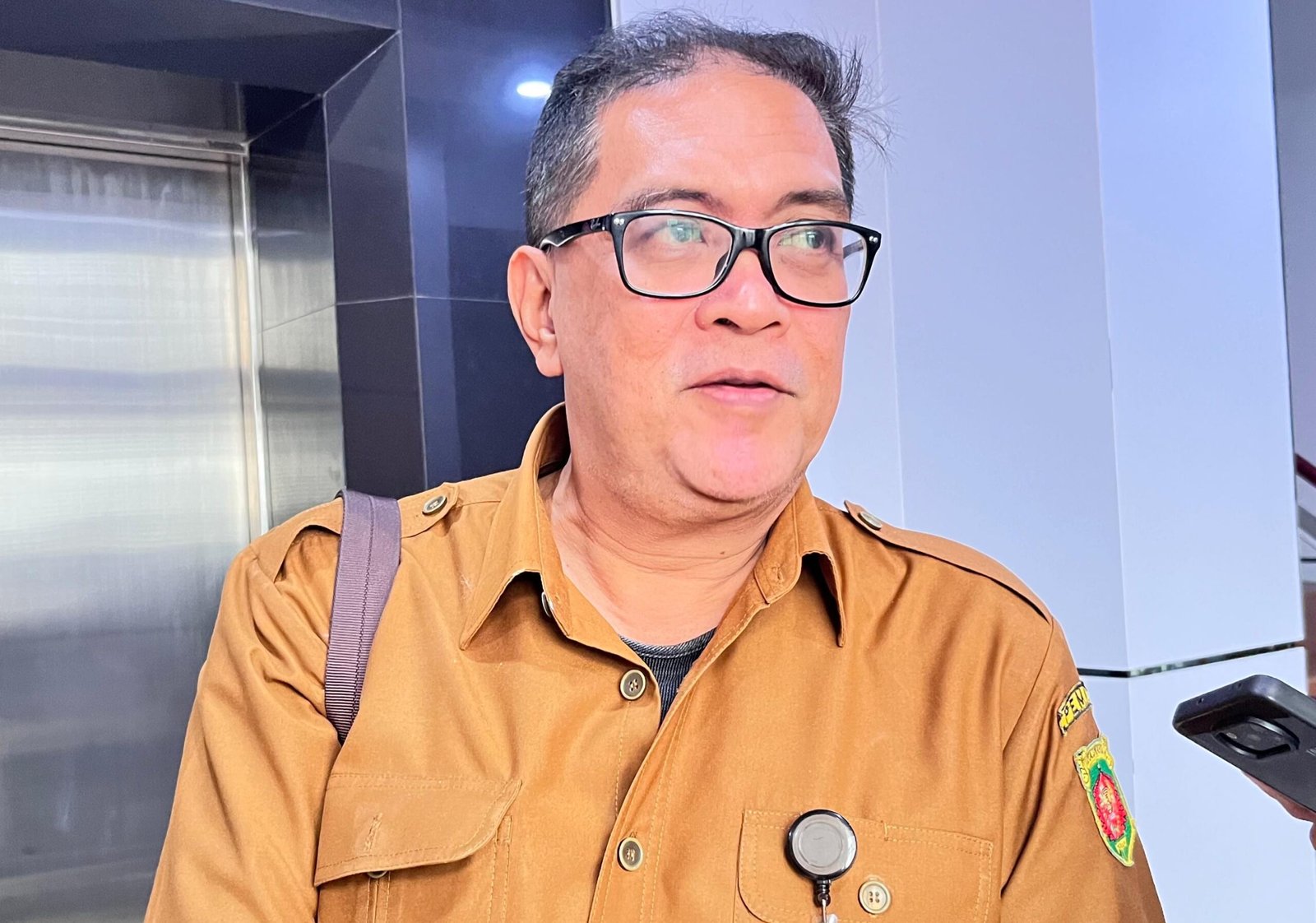
Ismed Kusasih, Head of the Samarinda City Health Department, explained that although the BPJS handles the specifics of reimbursement, the general pattern of healthcare spending demonstrates a reliance on more complex, and therefore more expensive, hospital care. “Healthcare services fall into two categories: primary and referral. Usually, the most costly services are those provided at the referral level, in hospitals,” Kusasih said on Tuesday, February 24, 2026.
Hospital care necessitates more sophisticated infrastructure, including high-tech medical equipment and specialized healthcare professionals, driving up costs compared to basic services offered at primary care facilities. “Hospitals require equipment and various facilities. For example, the cost of hemodialysis for kidney failure is significant,” Kusasih added.
Kidney failure serves as a prime example of the financial burden associated with chronic disease management, requiring routine and ongoing hemodialysis treatment. Other catastrophic illnesses, such as heart disease and cancer, similarly demand intensive and repeated medical interventions.
In response, Kusasih emphasized the importance of strengthening primary care services as a long-term strategy to reduce referrals to hospitals and control escalating healthcare costs. “The principles of medicine haven’t changed: prevention is better than cure. That’s why strengthening primary care should be prioritized,” he stated.
Primary care services, delivered through community health centers (Puskesmas) and clinics, serve as the first point of contact for most patients. These facilities focus not only on treatment but also on health promotion and preventative care, including vaccinations and health education. “Primary care is at the Puskesmas and clinics. There, you have health promotion and prevention, like vaccinations,” Kusasih explained.
By bolstering health education, early detection programs, and disease prevention initiatives at the primary care level, officials hope to reduce the number of patients presenting to hospitals in severe condition. This approach is seen as crucial for improving healthcare efficiency and enhancing the overall quality of life for Samarinda residents.
The city government is also monitoring 10,173 residents enrolled in the BPJS PBI (Penerima Bantuan Iuran) program, anticipating potential disruptions to their coverage due to recent policy changes from the central government, according to reports from February 19, 2026. RSUD IA Moeis, a municipal hospital, has been designated as a backup facility to accommodate patients whose BPJS PBI coverage is interrupted. The Samarinda City Government, in coordination with BPJS Kesehatan, is working to mitigate the impact of these central government policies on vulnerable populations.
As of February 24, 2026, the Samarinda City Government reports no confirmed cases of patients being denied services due to the new BPJS policies, but continues to validate participant data to ensure assistance reaches those most in need.
