
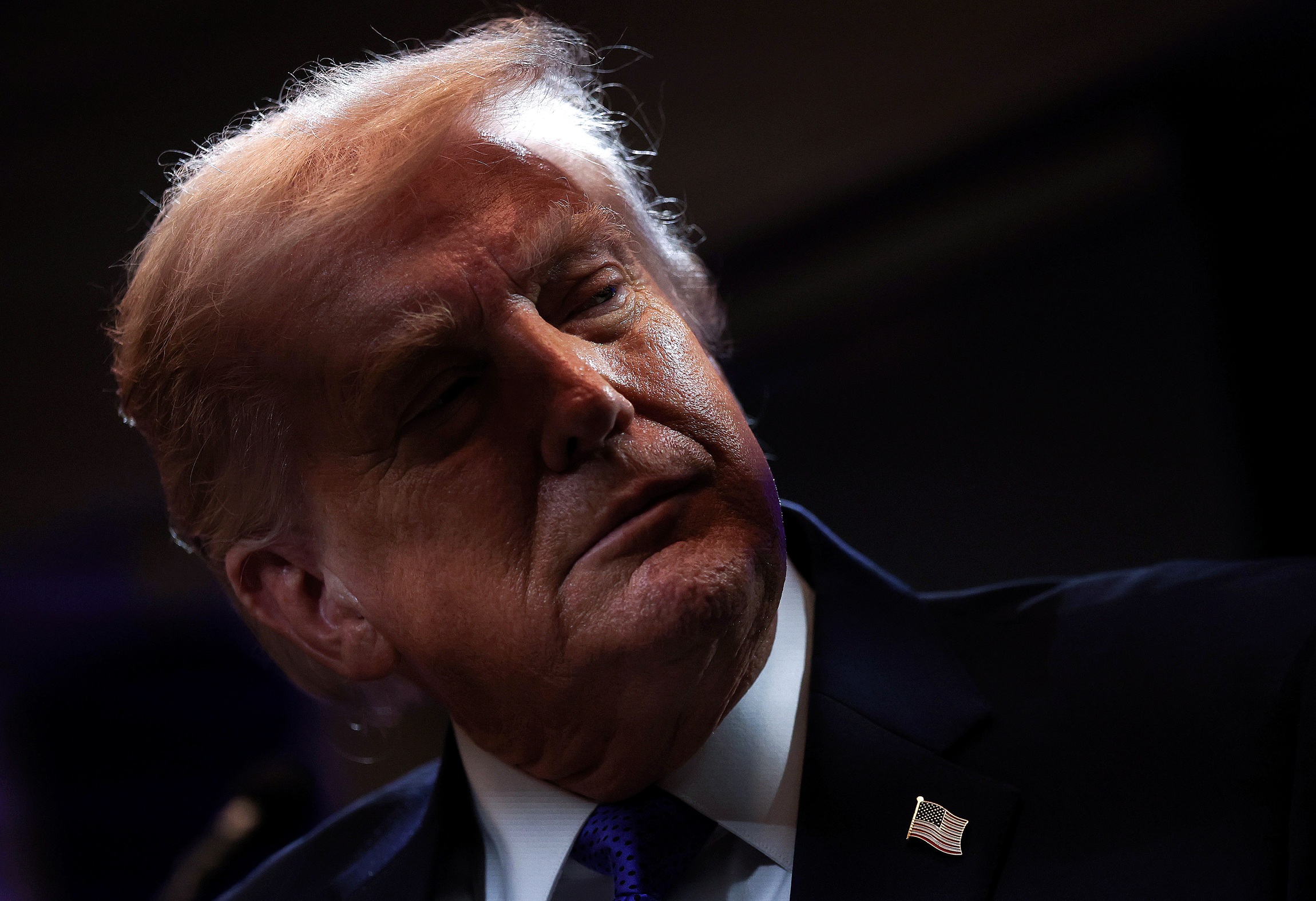
WASHINGTON — President Donald Trump is set to deliver his first State of the Union address of his second term on Tuesday evening, facing historically low approval ratings and widespread public skepticism about his administration’s direction, according to recent polling data.
The address, scheduled for 8 p.m. CT, comes as Trump is expected to tout his administration’s accomplishments in areas like the economy, immigration enforcement, and foreign policy, previewing Republicans’ pitch to voters ahead of crucial midterm elections this fall.
However, multiple polls released this week paint a starkly different picture of public sentiment. A CNN/SSRS poll published Monday revealed that only 36 percent of registered voters approve of Trump’s handling of the presidency, while a substantial 63 percent disapprove. The same poll found that 61 percent of Americans believe Trump’s policies will move the country in the wrong direction, compared to just 38 percent who think they will have a positive impact.
The level of disapproval extends to Trump’s priorities, with 68 percent of respondents stating he does not have the right focus for the country – the highest negative reading on that question across both his first and second terms. This dissatisfaction is particularly pronounced among independent voters, a key demographic for the upcoming midterms, with only 26 percent approving of his job performance, a 15-point drop from the previous year.
The RealClearPolling average currently places Trump at a -13-point approval rating, despite including some polls with questionable credibility, such as Rasmussen Reports and InsiderAdvantage. Other recent polls show even more significant disapproval, including a -17-point rating from ABC News/Washington Post/Ipsos, -12 points from Economist/YouGov, -22 points from NBC News Decision Desk, and -26 points from AP/NORC.
Beyond overall approval, specific policy areas as well demonstrate widespread discontent. Only 40 percent of respondents to the ABC News/Washington Post/Ipsos poll approve of Trump’s handling of immigration, while 58 percent disapprove. A majority – 58 percent – believe Trump is “going too far” with his mass deportation operations, with only 12 percent feeling he isn’t being aggressive enough.
Economic concerns are also prevalent. A Pew Research Center poll last month found that only 28 percent of Americans believe Trump’s policies have improved economic conditions, while 52 percent say they have made things worse. Overwhelming majorities – 93 percent and 92 percent respectively – expressed significant concern about the rising costs of healthcare and food/consumer goods. Seventy-nine percent are worried about job availability.
The prospect of military action against Iran, which has been increasingly threatened by the Trump administration, also faces public opposition. A University of Maryland poll earlier this month showed 49 percent of voters would oppose a military strike, with only 21 percent in favor.
Qualitative data further underscores the negative sentiment. The Economist/YouGov poll asked respondents to describe Trump in a single word, revealing that 49 percent consider him “corrupt,” 46 percent “cruel,” 43 percent “out-of-touch,” 50 percent “dangerous,” and 47 percent “racist.” Only 21 percent described him as “honest.”
A Marist poll released Monday revealed that only 43 percent of Americans believe the state of the union is “strong,” while 57 percent disagree. A majority – 60 percent – believe the country is worse off than it was a year ago, compared to 40 percent who perceive it has improved.
As Trump prepares to address the nation, these polling numbers suggest that a self-congratulatory tone could further alienate a skeptical public, potentially harming Republican prospects in the upcoming midterm elections. The traditional post-State of the Union “bump” in presidential approval ratings may be elusive, leaving the administration facing continued headwinds as it navigates a deeply divided nation.
