
Burberry has reclaimed its position within the FTSE 100 index, marking a significant turnaround for the British luxury fashion house. The resurgence comes as the company leans back into its heritage of classic outerwear, a strategy that appears to be resonating with consumers despite a challenging economic climate.
The brand’s return to the blue-chip benchmark, confirmed in September 2025, follows a year outside the index after a decline in its share price. Burberry had been relegated to the FTSE 250 in September 2024, a consequence of struggles within the luxury sector and a slowdown in demand. However, a renewed focus on core products like trench coats and scarves, coupled with cost-cutting measures, has driven a recovery.
Demand for Burberry’s signature check scarf surged in the last quarter of 2025, ranking it as the fourth hottest fashion item according to the Lyst index, with overall brand demand up 239% year on year. This revival coincides with a particularly wet winter in the UK, a factor not lost on Burberry’s design team. Designer Daniel Lee, speaking after the London Fashion Week show, noted the influence of the weather, stating his studio has been “watching the rain pour down, and thinking about how London always has this incredible buzz. Even when it’s dark and wet people are still out every night.”
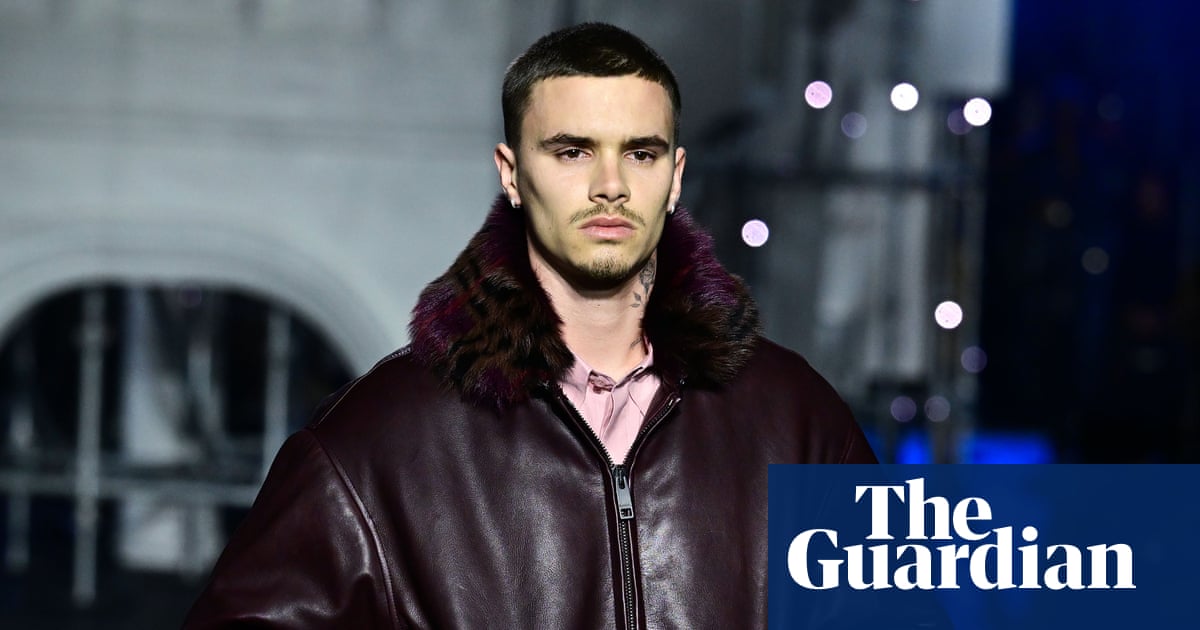
The recent London Fashion Week show, staged within the historic Billingsgate fish market, showcased this renewed focus. The event drew a high-profile crowd including actress Daisy Edgar-Jones, singer Olivia Dean, footballer Eberechi Eze, and model Romeo Beckham, who walked the catwalk. The collection itself moved away from previous explorations of festival culture and country pursuits, embracing instead an “urban energy” with pieces like faux-fur bomber jackets and padded leather jackets alongside the brand’s iconic trench coats.
Burberry’s strategy under American chief executive Joshua Schulman, appointed in July 2024, centers on attracting an aspirational customer willing to invest in quality and heritage, even as remaining accessible compared to the ultra-luxury brands of Paris and Milan. This shift, however, has come at a cost. In May 2025, the company announced a global workforce reduction of 1,700 jobs, including 150 positions at its Castleford factory in Yorkshire with the closure of the night shift.
The brand is actively leveraging its British identity in its marketing and design. Recent advertising campaigns feature British supermodel Twiggy and Maya Wigram, the daughter of designer Phoebe Philo, referencing both fashion history and a pedigree of design expertise. The company has also incorporated distinctly British imagery into its presentations, including a knight in shining armour and black cabs.
