
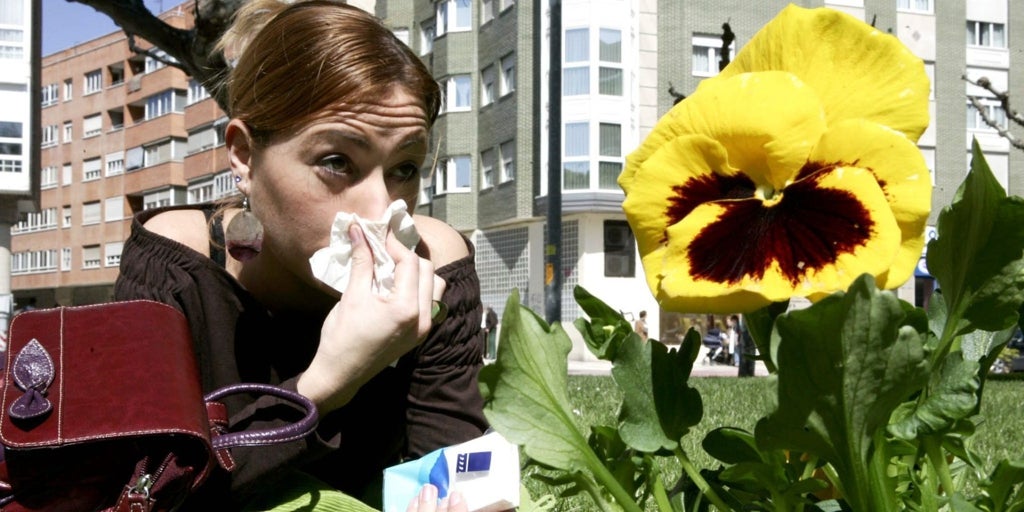
Allergy sufferers in Spain are experiencing an early and potentially prolonged pollen season, with cypress pollen levels already registering as moderate in parts of the country, according to data released this week. The unusually warm temperatures and recent rainfall are contributing to the premature release of pollen, impacting individuals sensitive to Cupressaceae species like cypress, and arizonica.
In Talavera de la Reina, a city in the Castilla-La Mancha region, pollen counts reached 337 grains per cubic meter of air on February 11th, exceeding the symptomatic threshold of 135 grains. Similar elevated levels were recorded in Toledo on February 19th, at 142 grains per cubic meter, according to the Spanish Society of Allergology and Clinical Immunology (SEAIC). While these levels are not as high as those recorded in 2019 – when counts peaked at 6,153 grains per cubic meter – they are significantly above typical levels for this time of year.
The early start to the pollen season is linked to the mild winter temperatures, which have accelerated the flowering process. “This climate favors the premature pollination of species like the parietaria and trees like the cypress,” explained Dr. Gaspar Dalmau, president of the Catalan Society of Allergy, in a report published by El Tiempo. Rainfall also plays a complex role; while heavy rain can temporarily reduce pollen concentration by washing it away, light and persistent rain can promote pollen dispersal.
Approximately 150,000 people in the province of Toledo are registered as pollen allergy sufferers, with between 40,000 and 50,000 specifically allergic to Cupressaceae species. Symptoms commonly include sneezing, itchy palate, throat and ears, nasal congestion, and eye inflammation. While asthma is not typically a symptom associated with cypress pollen allergies, individuals with pre-existing respiratory conditions may experience exacerbated symptoms.
Experts note a shift in the prominence of different pollen types over time. While grasses and olive pollen remain major allergens, the arizonica cypress is increasingly recognized as a significant contributor to allergy symptoms, often causing prolonged reactions lasting from October to mid-April. This extended duration is due to its classification as a winter allergy.
The increased leverage of cypress trees in landscaping and urban green spaces has also contributed to higher pollen concentrations in the air, affecting a growing number of people. The Alergia y Asma Andalucía organization notes that cypress trees are commonly used in gardens and cemeteries throughout Spain.
Allergy specialists recommend that sensitive individuals limit outdoor activities during peak pollen times, keep windows closed, and ventilate homes early in the morning. Avoiding parks, gardens, and the countryside is also advised. The pollen forecast from Eltiempo.es provides real-time data on pollen levels across Spain.
