
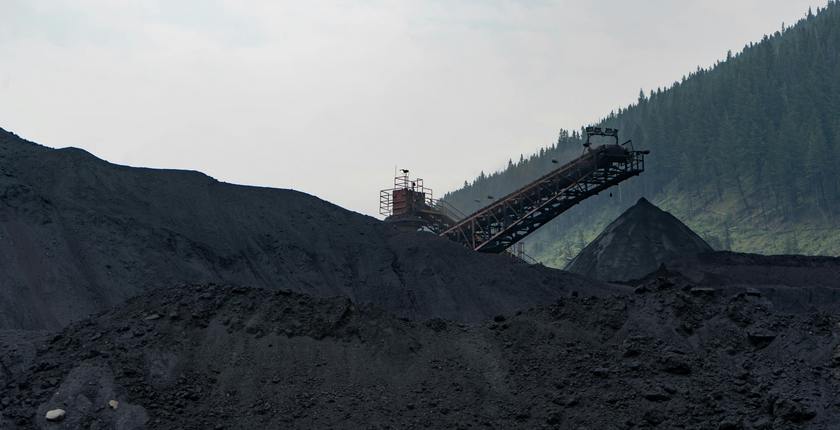
Romania’s state-owned energy complex, CE Oltenia, faces escalating labor unrest as miners protest planned austerity measures, whereas a critical thermal power plant in neighboring Bosnia and Herzegovina remains offline due to dwindling coal supplies.
The protests in Romania center on CE Oltenia’s proposals to eliminate meal vouchers and reduce wages, prompting workers to stage demonstrations, including a hunger strike involving 13 employees, at several coal mines and a thermal power plant. Romanian Prime Minister Ilie Bolojan, in a meeting with union representatives, stated that any exemption from the austerity measures would be contingent upon the company increasing efficiency and reducing its reliance on state aid. A government memorandum clarifying the conditions is scheduled for discussion next week, according to reports.
Energy Minister Bogdan Ivan, present at the meeting, highlighted Romania’s recent renegotiation with the European Commission to postpone the closure of several coal-fired power plants from December 31, 2025. This delay comes as the country grapples with maintaining energy security during a period of transition. Protesters warn that continued demonstrations could further deplete already limited coal reserves supplying the Rovinari and Turceni thermal power plants, vital components of Romania’s energy infrastructure.
The challenges extend beyond Romania’s borders. In Bosnia and Herzegovina, the Ugljevik thermal power plant is currently offline due to coal shortages. The situation prompted salary reductions for all employees, according to reports. The government of Republika Srpska recently agreed to transfer a concession for a portion of the Ugljevik coal deposit from Comsar Energy RS, a firm majority-owned by Russian billionaire Rashid Sardarov, to RiTE Ugljevik, the plant’s operator. This move aims to unlock an estimated 50 million tons of coal reserves, sufficient to supply the plant for 25 years. The reserves were originally intended for the planned Ugljevik 3 thermal power plant, a project that failed to materialize under the Russian concessionaire.
Further illustrating the region’s coal sector difficulties, miners at the Zenica coal mine in Bosnia and Herzegovina held a five-day hunger strike last September over unpaid wages. The country’s reliance on imported electricity reached a record EUR 321.6 million in 2025, double the previous year’s amount, partially attributed to production halts caused by coal supply issues.
