
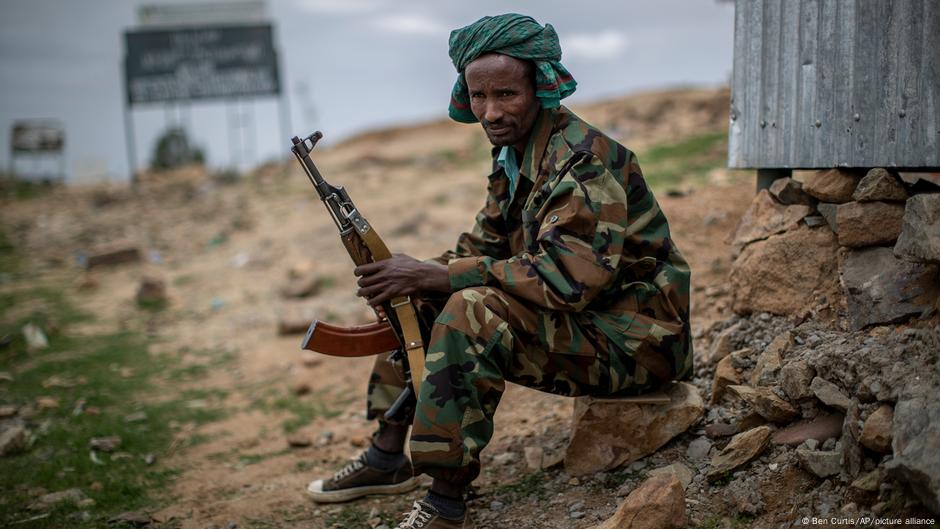
Mekelle, Tigray – A sense of unease is gripping the Tigray region of Ethiopia as troop deployments along its northern border and escalating rhetoric from both federal and regional officials raise fears of a return to full-scale war, despite the fragile peace agreement reached in 2022. The deployment of Ethiopian National Defense Force (ENDF) soldiers and Tigrayan fighters has coincided with a surge in fuel prices and a wave of hoarding among residents bracing for renewed conflict.
The 2022 Pretoria peace agreement brought an end to the brutal Tigray War, but the underlying tensions remain unresolved. According to a legal expert and political analyst based in Mekelle, Mustafa Abdu, “The situation is very frightening. The federal defense forces are stationed at all borders. There are indications that this [war] is inevitable,” as reported by DW.
The current instability is compounded by internal divisions within the Tigray People’s Liberation Front (TPLF), the region’s ruling party. A faction led by Debretsion Gebremichael seized control of offices in Mekelle in March 2025, creating a power vacuum and uncertainty about who represents the region’s interests. According to Wikipedia, the TPLF did not demobilize as stipulated in the Pretoria agreement and continues to control much of Tigray.
Adding to the complexity, Ethiopia’s federal government has accused Eritrea of supporting the TPLF, a claim denied by both Asmara and the Tigrayan forces. However, residents report a feeling that the specter of past conflict looms large. Amdom Gebreselassie, chairperson of Arena Tigray for Democracy and Sovereignty, warned that Eritrean intelligence personnel are infiltrating the region, stating, “There is a risk of war, an outbreak of war is feared,” according to DW.
The economic impact of the escalating tensions is already being felt. Gebre Tsadiq Abraha, a taxi driver in Mekelle, told DW that the price of a liter of petrol has risen from 220 Ethiopian Birr ($1.42, €1.20) last week to significantly higher amounts daily as fears of war intensify. Residents are resorting to hoarding essential goods, including fuel, food, and medicine, driven by memories of shortages during the previous conflict. “Those who are suffering from chronic diseases, such as diabetes, are forced to buy and store them in large quantities. This is also because of the last experience, many people lost their lives during the last war due to lack of medicine,” said a Mekelle resident, Nathaniel Tekleberhan.
The renewed tensions also come as Ethiopian Prime Minister Abiy Ahmed continues to assert Ethiopia’s need for access to the sea, a demand that has raised anxieties in Eritrea, which views any discussion of access as a threat to its sovereignty. DW reports that Abiy has stated Ethiopia’s landlocked status is hindering economic growth.
The situation is further complicated by restrictions on press access. On Thursday, an AFP journalist was denied boarding a flight to Tigray, reportedly due to a lack of authorization from the Ministry of Foreign Affairs. This follows the suspension of two DW correspondents in December 2025 and the non-renewal of accreditations for journalists from Reuters and the BBC, raising concerns about media freedom in Ethiopia. According to DW, Ethiopia ranks 145th out of 180 countries in Reporters Without Borders’ 2025 Press Freedom Index.
UN Human Rights Chief Volker Turk has urged all parties to de-escalate the situation and pursue political dialogue, warning against a renewed resort to armed violence. However, with troop deployments continuing and rhetoric hardening, the fragile peace in Tigray remains deeply uncertain. The federal government has not responded to requests for comment on the troop movements or accusations of Eritrean support for the TPLF.
