
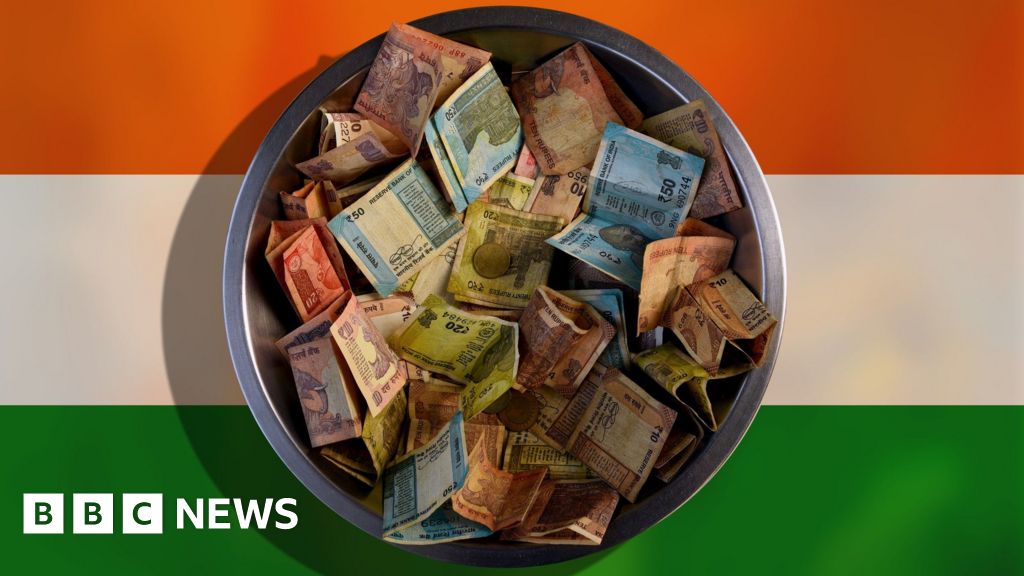
New Delhi – A comprehensive survey released today reveals that household giving constitutes the dominant force in India’s philanthropic landscape, eclipsing contributions from high-net-worth individuals and corporations. The ‘How India Gives 2025–26’ report, conducted by Ashoka University, estimates that ordinary citizens collectively contribute ₹540 billion (approximately $6 billion USD) annually, representing 68% of all charitable donations within the country.
The findings challenge conventional narratives surrounding philanthropy in India, which often focus on the role of billionaires. The report details a widespread culture of giving, particularly among middle- and lower-income households. According to the research, a significant portion of these donations are directed towards religious institutions, followed by support for family members in need and community welfare initiatives.
The study highlights the diverse patterns of giving across different demographics and regions. While specific details regarding regional variations are still being analyzed, initial findings suggest that states with stronger community-based traditions exhibit higher rates of household giving. The report also notes a growing trend of digital philanthropy, with more individuals utilizing online platforms to build donations.
“This report fundamentally shifts our understanding of the Indian philanthropic ecosystem,” said a spokesperson for Ashoka University, declining to provide further details beyond the published findings. “It demonstrates that the true engine of charitable giving isn’t concentrated wealth, but rather the consistent, everyday generosity of ordinary Indians.”
The scale of household giving has prompted renewed attention to the role of diaspora philanthropy. India Giving Day 2026, scheduled for later this year, will specifically focus on mobilizing support from the Indian diaspora, recognizing their potential to amplify the impact of domestic giving. Organizers are using the hashtag #PowerOfUs to encourage participation and highlight the collective power of philanthropic contributions.
The ‘How India Gives’ report also comes as India’s charitable sector continues to evolve. Recent analysis from organizations like Devdiscourse indicates a growing interest in understanding the motivations and behaviors of Indian donors. The BBC reported on the findings, noting the substantial annual contribution from ordinary citizens. The CSRUniverse has also published details of the Ashoka University study.
Despite the significant overall contribution, the report acknowledges challenges in accurately measuring and tracking philanthropic flows within India. The informal nature of many donations, particularly those made in cash or kind, presents obstacles to comprehensive data collection. Further research is planned to address these limitations and provide a more nuanced understanding of the Indian giving landscape.
