
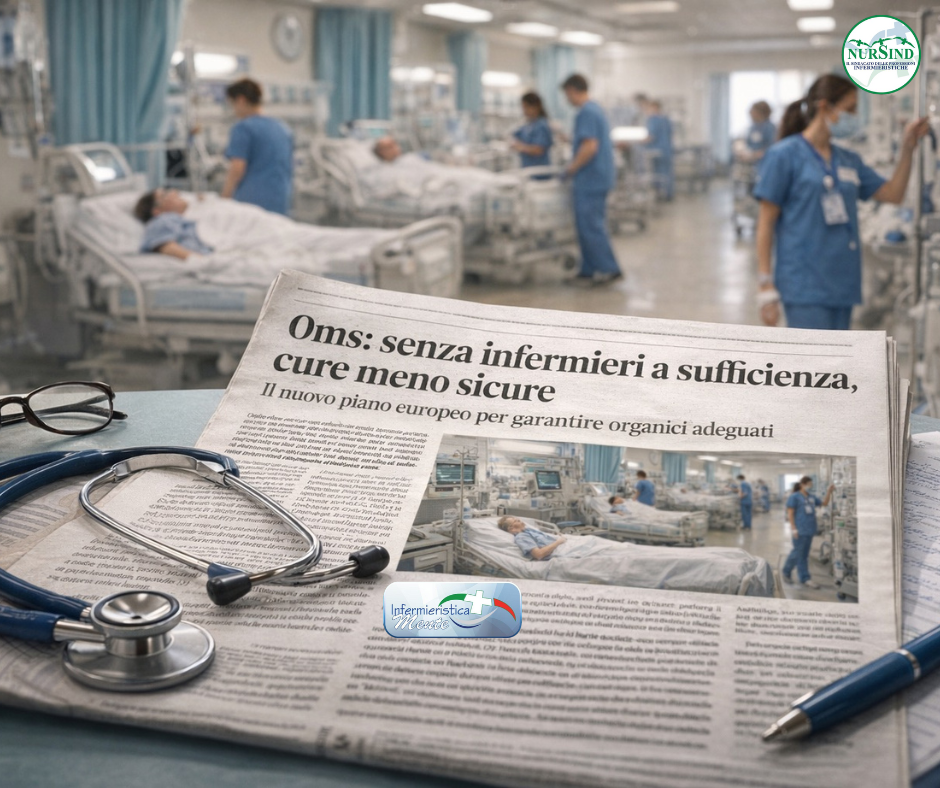
Europe’s healthcare systems face a looming crisis as a latest report from the World Health Organization (WHO) Regional Office for Europe warns of a potential shortfall of nearly one million healthcare workers by 2030. The report, titled “Policies and approaches to promote safe nurse staffing,” released February 18, 2026, highlights the critical link between adequate nurse staffing levels and patient safety, as well as the well-being of healthcare professionals.
The WHO report asserts that insufficient nurse staffing isn’t merely an organizational issue, but a direct threat to clinical safety. Evidence shows a correlation between understaffing and increased patient mortality rates, complications, adverse events, and medical errors. The report specifically cites research indicating a 7% increase in the risk of mortality in surgical departments for each additional patient assigned to a nurse. It identifies a rise in burnout, absenteeism, and professionals leaving the nursing profession altogether when workloads become unsustainable.
Nurses comprise over half of the healthcare workforce across the European Union, according to the report. Hans Henri P. Kluge, WHO Regional Director for Europe, emphasized that appropriate staffing levels are “an investment critical for the safety of patients and for the stability of health systems,” not a budgetary consideration.
The report outlines a two-tiered approach to addressing the issue: a strategic level focused on system-wide planning – including workforce projections, educational investments, and regulatory frameworks – and an operational level concerning the day-to-day organization of care within healthcare facilities. Effective solutions, the WHO argues, require both levels to be integrated and responsive to each other.
A review of 19 European countries involved in the WHO’s Nursing Action program revealed a diverse range of approaches to nurse staffing. Some nations mandate minimum nurse-to-patient ratios by law, while others utilize models based on patient acuity, adjusting staffing levels according to the complexity of care required. The report notes that fixed ratio systems are straightforward but lack flexibility, while acuity-based models demand robust data collection and analysis.
The report identifies five models of governance for staffing, ranging from centralized, nationally-defined standards to decentralized systems managed at the facility level. Regardless of the model, the WHO stresses the importance of collaboration between health ministries, nursing leadership, professional organizations, unions, and other stakeholders. Collective bargaining, the report suggests, can play a significant role in shaping workloads, shift patterns, and working conditions, even in the absence of specific legal requirements.
The findings are particularly relevant for Italy, which the report notes has one of the oldest nursing workforces in Europe and faces increasing pressure from an aging population and rising rates of chronic disease.
The WHO report frames adequate nurse staffing not as an expense, but as a crucial investment in healthcare quality and sustainability. The organization’s website, updated February 18, 2026, features a media release detailing the findings and their potential impact on patient care and the nursing profession. The release follows a February 13, 2026 announcement regarding the integration of arts and culture into European health systems, signaling a broader focus on holistic approaches to healthcare.
The report concludes without outlining specific policy recommendations for individual nations, leaving the onus on European governments to translate the evidence into concrete action.
