
The relentless demand for computing power to fuel artificial intelligence is driving a surge in the use of natural gas to power data centers, potentially adding 44 million tons of carbon dioxide to the atmosphere by 2030, according to a report by the nonprofit Truthout.
The figure underscores the growing tension between the promise of AI and the environmental impact of its infrastructure. Data centers, the physical hubs of the digital world, require massive amounts of electricity, and the rapid expansion of these facilities to meet the needs of AI training and deployment is straining energy grids.
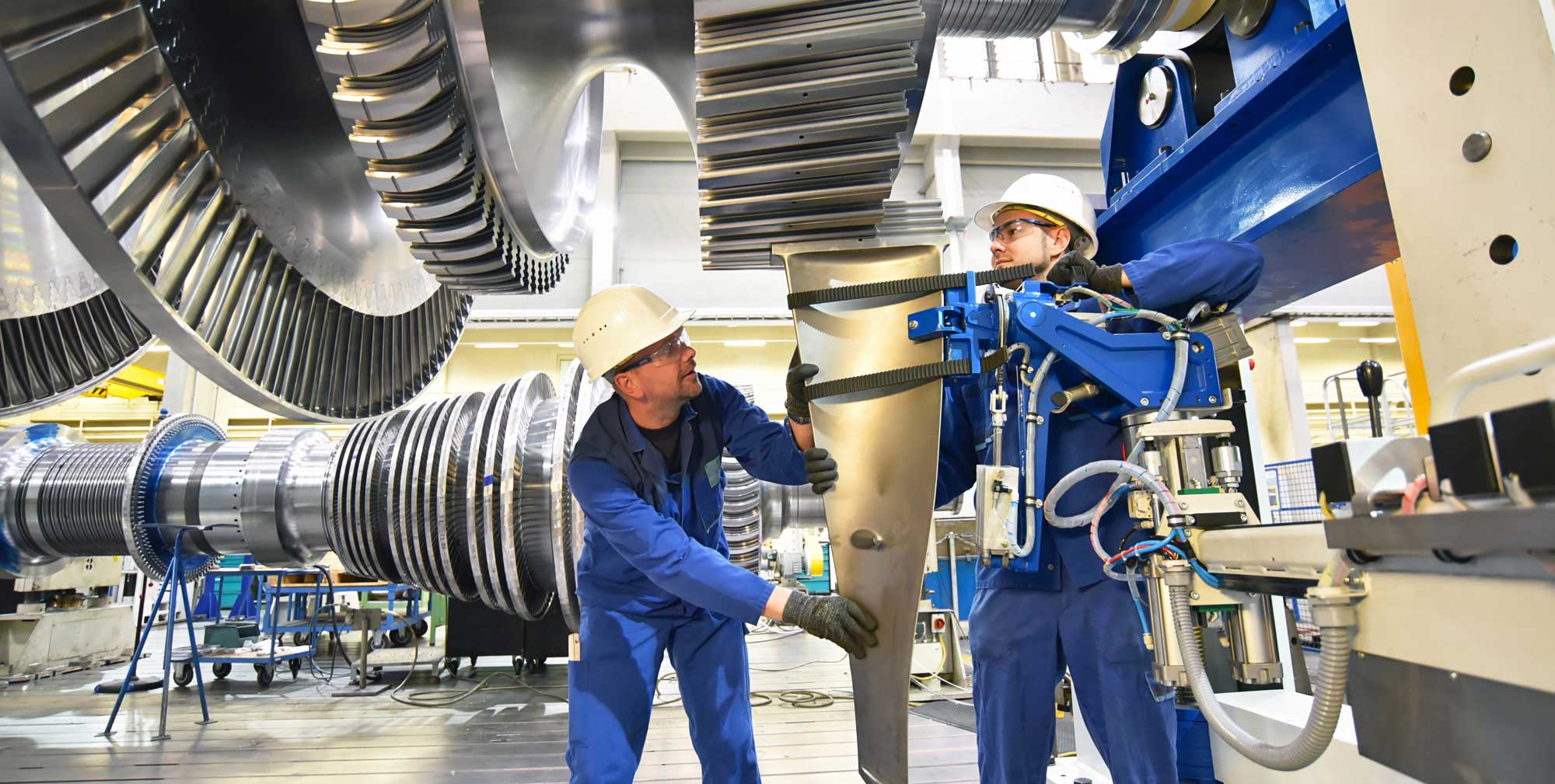
Deloitte Insights warned last year that the power needed by US data centers could increase more than thirtyfold within a decade. The quickest way to address this escalating demand, according to industry observers, is through the deployment of gas turbine generators. However, this approach risks locking in fossil fuel dependence and undermining climate goals.
The urgency is so acute that some data center operators are resorting to unconventional solutions. A shortage of traditional gas turbine kits has led to the repurposing of aircraft engines for on-site power generation. Boom Supersonic, the company developing a supersonic passenger aircraft, is now manufacturing power turbines based on its Symphony engine, with neocloud operator Crusoe as its first customer, set to deploy 29 turbines across the US.
Meta is also investing in on-site gas generation. Its Hyperion campus in Louisiana is planned to reach a capacity of five gigawatts, with Entergy commissioned to build three combined-cycle combustion turbine plants providing 2.26 gigawatts of power. Microsoft acknowledges the need for renewable energy sources where feasible, but continues to rely on natural gas as a near-term solution to meet its energy requirements.
Analysts at Gartner have advised data center operators that securing their own on-site generating capacity is essential for maintaining reliable power, with gas turbines being the most practical option, a recommendation echoed by energy specialist Schneider Electric.
This reliance on natural gas aligns with the current US government policy. US Interior Secretary Doug Burgum stated last year that the greater threat facing the world was the US losing the AI arms race, not climate change. The trend extends beyond the US, with Truthout reporting that over 1,000 gigawatts of gas-fired power projects are currently in development globally, a 31 percent increase in the last year.
The resurgence of fossil fuels isn’t limited to natural gas. Coal is also experiencing a revival, with a nearly 20 percent increase in generation last year, fueled in part by demand from data centers. A recent Executive Order from the President directs military installations and defense facilities to enter into long-term power purchase agreements with coal-fired energy production facilities.
