
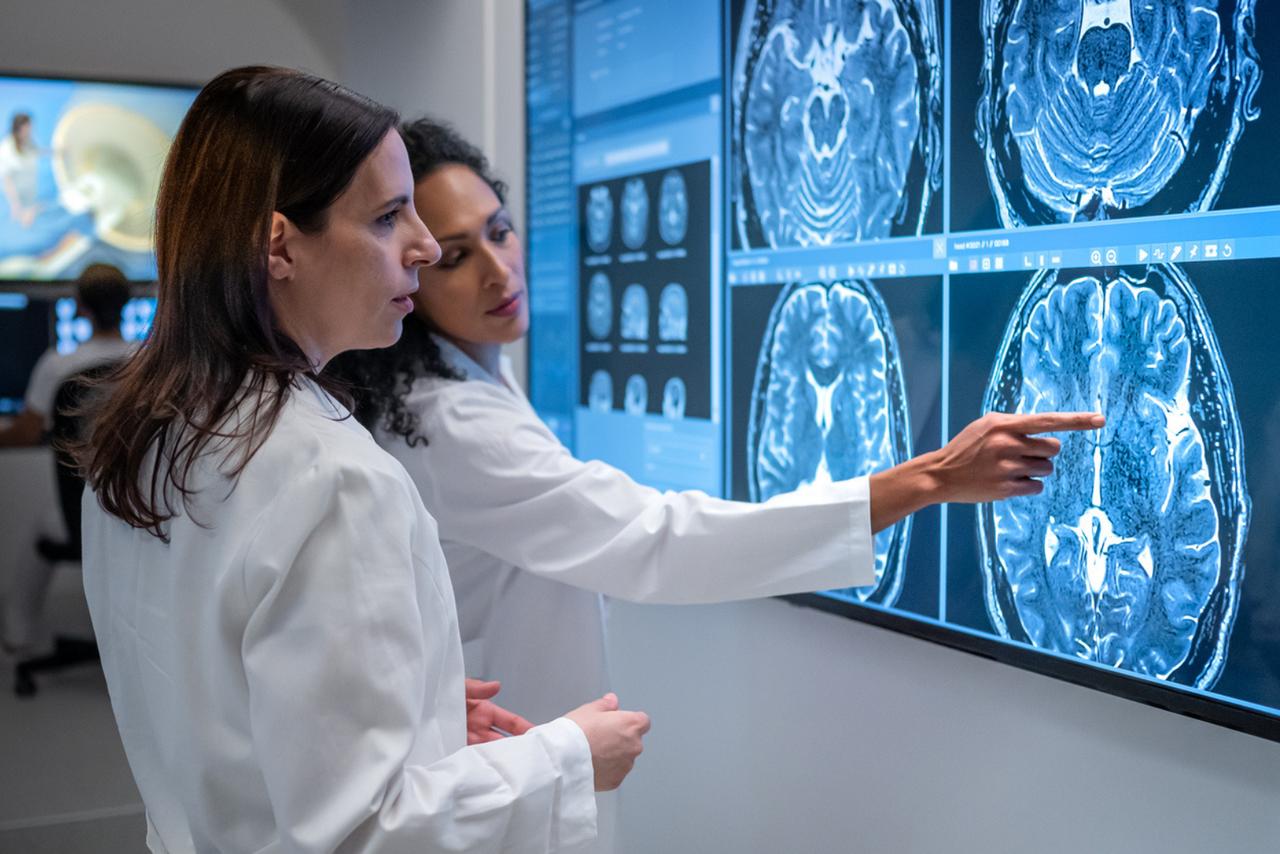
Scientists are observing unexpected and complex brain activity in the moments following cardiac arrest, challenging long-held assumptions about the transition from life to death. Research indicates the brain doesn’t immediately cease function when the heart stops, but instead exhibits a surge of electrical activity, prompting a re-evaluation of consciousness and the very definition of death.
In 2014, a study led by Jimo Borjigin, a professor of neurology at the University of Michigan, documented this phenomenon in a 24-year-old woman, referred to as “Patient One,” who was clinically dead. Researchers observed intense, organized electrical activity in her brain for several minutes after oxygen flow was halted. This activity included high-frequency gamma waves, increased synchronization between different brain regions and activation of areas associated with consciousness and memory, according to the study.
The observed brain activity reached levels 11 to 12 times higher than those recorded before the cessation of assisted ventilation. This finding contradicts the conventional understanding that brain function immediately stops after clinical death. Researchers noted the brain enters what appears to be a “tempest” of electrical activity.
These discoveries offer a potential neurological basis for understanding near-death experiences (NDEs), which have long been reported by individuals who have come close to death. NDEs often involve sensations of detachment from the body, traveling through a tunnel towards a light, or encounters with spiritual beings. The synchronization of brain waves observed in “Patient One” could correlate with the sensation of detachment, while activation of memory areas might explain the life-review phenomenon often described in NDE accounts.
While the research suggests NDEs may be rooted in complex neurological processes rather than evidence of consciousness surviving bodily death, many questions remain unanswered. The study does not definitively explain the subjective experiences reported during NDEs, and the precise mechanisms driving the observed brain activity are still under investigation.
Recent research at Yale University has demonstrated the partial reactivation of brain cells in pigs several hours after their death, according to reports. While preliminary, these findings suggest the possibility of extending the current limits of resuscitation. However, this raises complex ethical questions about prolonging life and defining brain death in light of these new understandings.
The study of death, or thanatology, is experiencing a resurgence of scientific interest. Researchers worldwide are analyzing the neurobiological mechanisms of brain death, investigating factors influencing NDEs, and developing new resuscitation techniques. The field is also exploring the relationship between death and consciousness.
The implications of this research extend beyond theoretical understanding. Improved understanding of brain activity during and after cardiac arrest could potentially lead to better techniques for resuscitating patients and improving complete-of-life care. However, the ethical considerations surrounding these advancements remain a significant challenge. The definition of death, traditionally based on the cessation of cardiac and respiratory function, is now being challenged by evidence of continued brain activity.
