
U.S. And Iranian officials are scheduled to meet for a second round of talks in Switzerland on Tuesday, with Iran stating the focus will be on its nuclear program and the potential lifting of U.S. Economic sanctions. Washington has indicated it intends to discuss additional issues.
The meetings, to be brokered by Oman, will take place in Geneva, according to statements released by Swiss and Iranian officials. Switzerland has long played a role in facilitating diplomatic relations between the two countries, representing U.S. Interests in Iran since the severance of diplomatic ties following the 1980 hostage crisis.
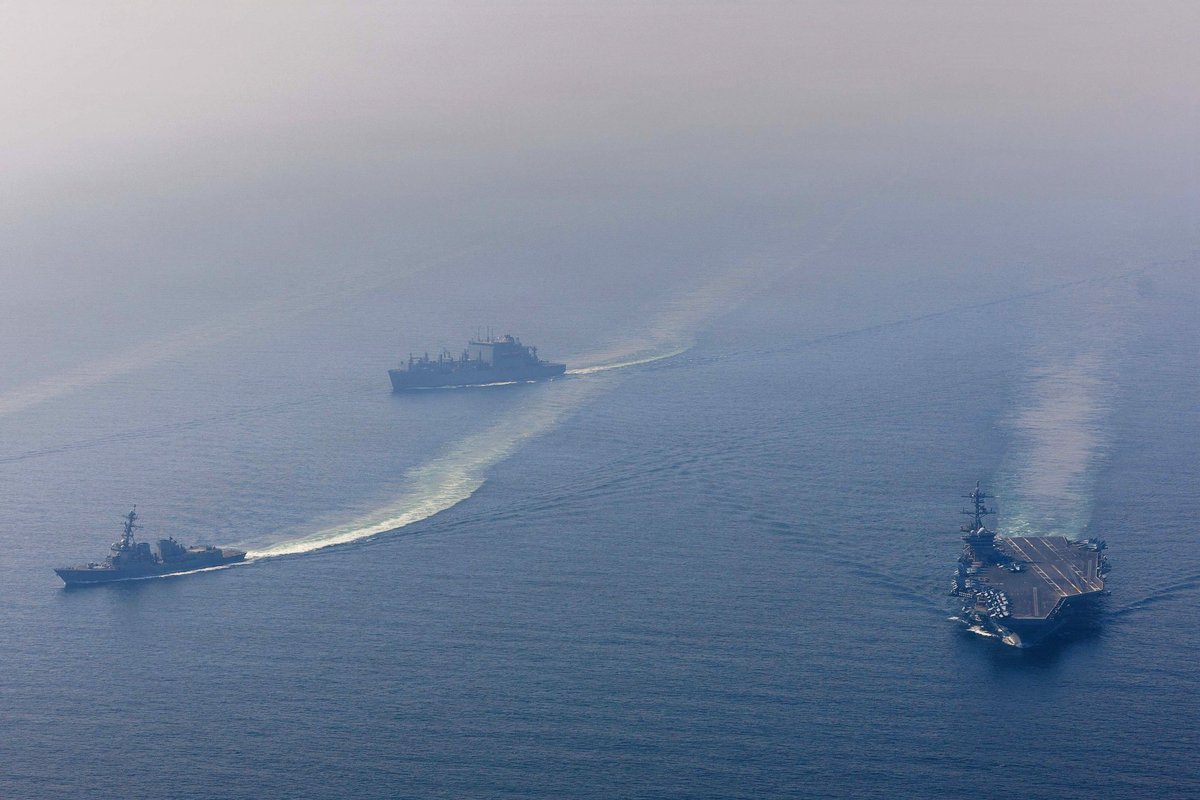
The U.S. Military presence in the region has been significantly bolstered in recent weeks. The USS Abraham Lincoln carrier strike group, comprising a nuclear-powered aircraft carrier and three Arleigh Burke-class destroyers, is currently operating in the Arabian Sea approximately 240 kilometers off the coast of Oman, according to European satellite imagery analyzed by the BBC. The strike group includes 90 aircraft, including F-35 fighters, and a crew of 5,680.
The USS Gerald R. Ford, the world’s largest warship, is also en route to the region and is expected to arrive within the next three weeks. Satellite imagery shows a total of 12 U.S. Naval vessels currently positioned throughout the Middle East, including two destroyers capable of launching long-range missile strikes and three specialized ships for near-shore combat, deployed at the Bahrain naval base in the Persian Gulf. Additional destroyers have been observed in the eastern Mediterranean Sea near the U.S. Base at Souda Bay, and one in the Red Sea.
Increased U.S. Air activity has also been detected, with a rise in the number of F-15 and EA-18 aircraft stationed at Muwaffaq Salti Air Base in Jordan. There has been an increase in U.S. Cargo, refueling, and communications aircraft traveling towards the Middle East from the U.S. And Europe.
The current round of talks follows an initial meeting between Iranian and U.S. Representatives on February 6th in Muscat, Oman. Abbas Araghchi, Iran’s Foreign Minister, led the Iranian delegation in those indirect negotiations with U.S. Special Envoy Steve Witkoff and Jared Kushner, President Trump’s son-in-law. The talks were stalled previously after a 12-day conflict between Israel and Iran in June 2025, triggered by an Israeli bombing campaign.
The renewed negotiations come amid heightened tensions, with the U.S. Threatening military action against Iran and deploying the carrier strike groups following Iran’s violent suppression of anti-government protests in January, which human rights groups claim resulted in thousands of deaths. President Trump has stated that a change in leadership in Iran would be “the best thing that could happen.”
