
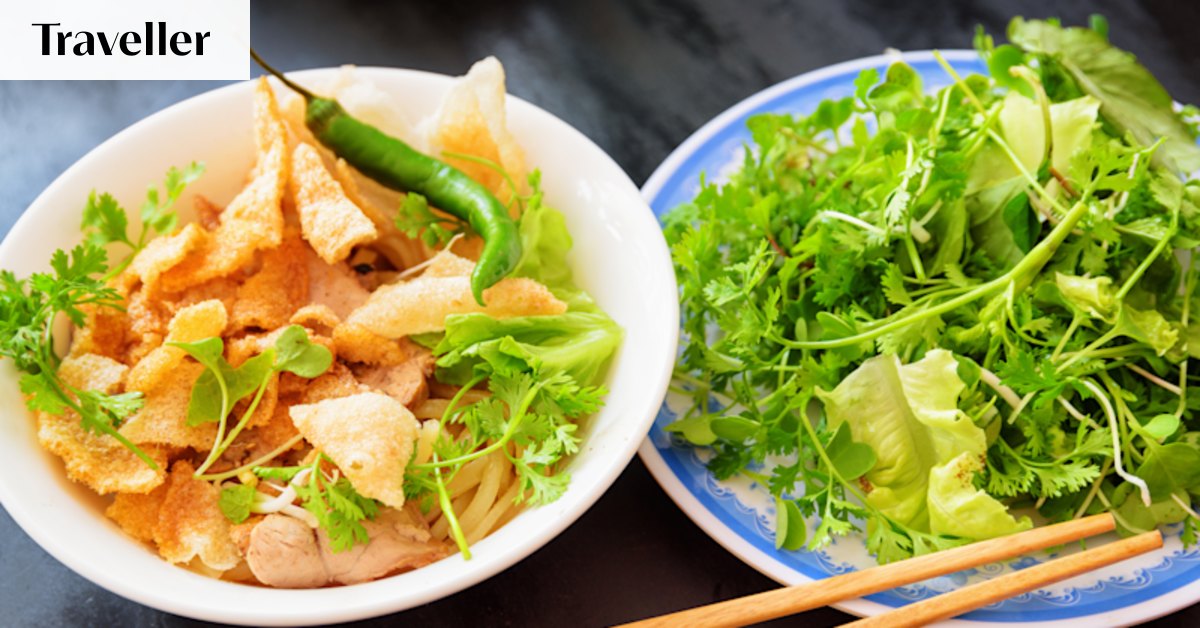
A deceptively simple noodle dish, cao lầu, remains stubbornly unique to the ancient trading port of Hoi An, Vietnam. The dish’s distinct character isn’t merely a matter of recipe, but of provenance – specifically, the water used in its noodle production.
Authentic cao lầu noodles require water drawn from the Ba Le well, a local source famed for its mineral composition. Locals believe the well’s calcium-rich water is essential to achieving the noodles’ signature texture. Attempts to replicate the dish elsewhere, using different water sources, have consistently failed to capture the same qualities. The noodles themselves are thick and chewy, created by combining rice flour with the alkaline solution traditionally derived from wood ash sourced from the nearby Cham Islands.
Beyond the noodles, cao lầu typically includes slices of pork char siu, crispy crackling, fresh bean sprouts and a selection of local herbs. A small amount of broth ties the elements together, creating a harmonious blend of flavors and textures. The dish’s origins are debated, with theories suggesting influences from both Chinese traders, potentially as early as the 17th century, and Japanese settlers around a century later. Yet, the final product is distinctly Vietnamese, evolving organically over time.
For those seeking an authentic experience, Cao Lau Thanh, located at 26 Thai Phien in Hoi An, is widely regarded as one of the best places to sample the dish. The restaurant does not maintain a website.
Despite the growing popularity of Vietnamese cuisine internationally, cao lầu remains largely unavailable outside of Hoi An. Whereas restaurants in Australia, such as An Restaurant in Bankstown and Pho Chu The in Footscray, offer excellent Vietnamese fare, they do not serve cao lầu due to the logistical challenges of sourcing the necessary ingredients, particularly the Ba Le well water.
The name “cao lầu” is believed to translate to “high floor,” referencing the raised platforms where shop owners in Hoi An traditionally ate their lunch.
