
A 67-year-old grandmother, Ellen, has spent nine years living in a van with her dogs, struggling to locate a permanent home amidst a UK housing shortage. Her story, along with that of others, illustrates a growing trend of van dwelling driven by financial pressures and a lack of affordable housing.
For over a year, Ellen has been attempting to secure a permanent residence, but says the current housing market makes it impossible. “I ended up in this situation because my child died a few years ago and I became very unwell. I just needed to be somewhere to try and deal with my bereavement,” she explained. She is now ready to fund a permanent home, but faces significant obstacles.
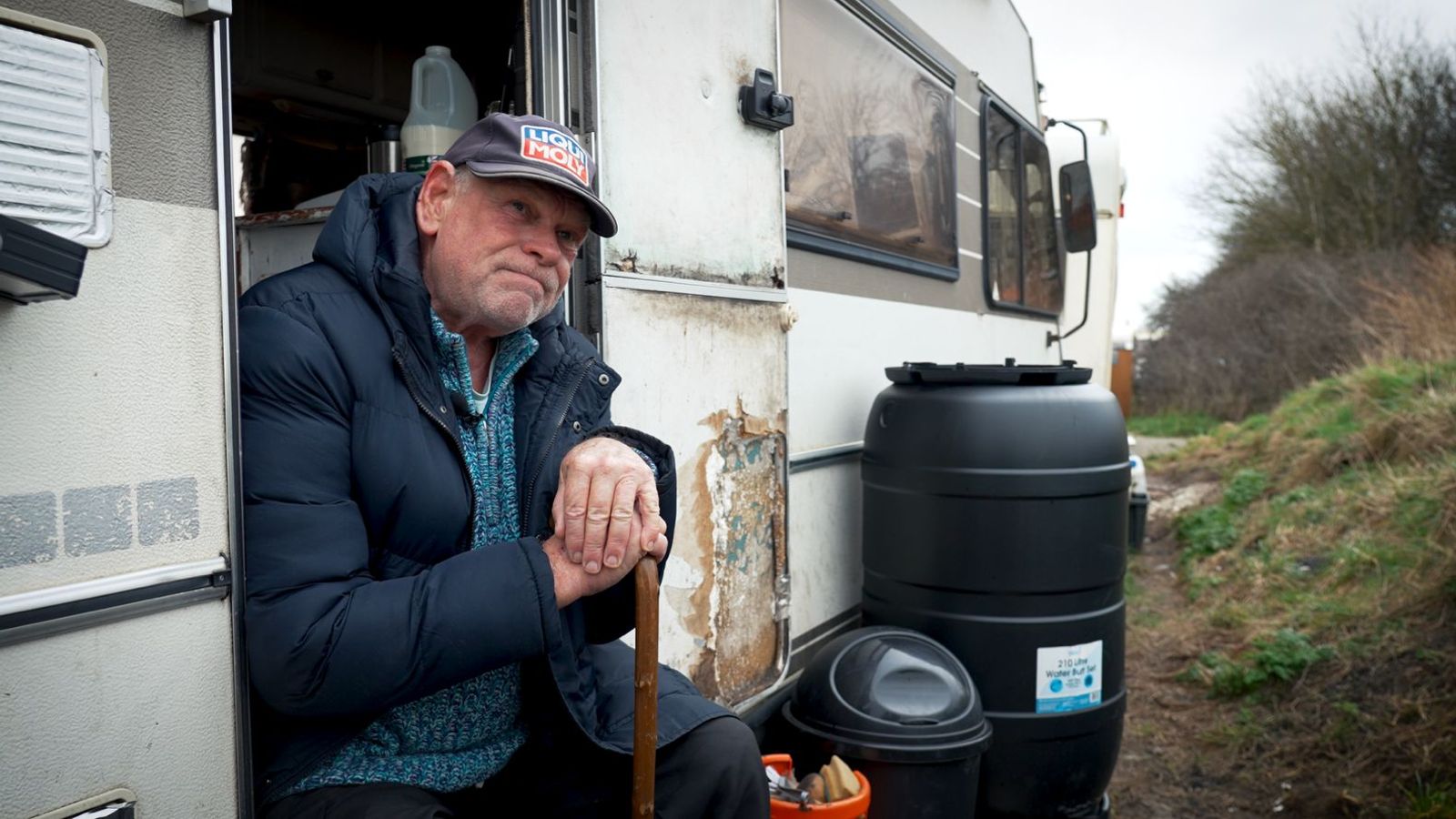
Steve Brown, a 68-year-old retired bus driver, shares a similar predicament. He and Ellen have been attempting to rent a property together, relying on their combined pensions, but are consistently told their income falls short of the required threshold. “I’ve worked all of my life, from the age of 12 years old, so I’ve never asked for anything from the government. Now I’ve got my pension, and that’s it,” Brown said. He describes a daily struggle simply to “survive another day.”
The rise in van dwelling is becoming increasingly visible across the UK, with identified hotspots in cities like Bristol, Brighton, Falmouth, and Glastonbury. Although some choose this lifestyle, many are driven to it by the escalating cost of living and a critical shortage of affordable housing. The South Downs National Park, stretching 140 kilometres from Winchester to Eastbourne, has become a location where this trend is playing out.
In Bristol, the situation is particularly acute, with an estimated 600 people living in vehicles – a fourfold increase over the past five years. Bristol City Council conducts twice-yearly counts, revealing that van encampments have expanded to 107 different locations in the last six months. The council has initiated legal action to extend an injunction allowing for the forcible eviction of van dwellers who refuse to move.
Dave Knight, a van dweller in Bristol for six years, faces the prospect of eviction. He has converted his camper van into a makeshift home, complete with a raised bed and plans for wood panelling. “I don’t realize where we would go if we got moved on,” he said. He attributes his current situation to job losses and the inability to afford rent, council tax, and utility bills. His son, Jack, 26, lives in a nearby van, having left his IT support job and rental accommodation due to financial strain. Jack views van ownership as a step towards stability, stating, “I actually have something I own.”
Bristol City Council has established 65 “meanwhile sites” offering basic amenities like water, toilets, and waste disposal for a small fee, in an attempt to address the needs of those living on the roadside.
Similar tensions are emerging in Brighton, where 75-100 people reside in vehicles. Residents near a primary school playing field have expressed concerns about the presence of vans, describing them as an eyesore and reporting issues such as noise from generators and the disposal of human waste. Neil Ackroyd, representing a local action group, stated, “Residents here are very tolerant, but everyone has their breaking point.” He alleges instances of human excrement being left on a school football pitch and reports of public urination.
Brighton and Hove Council acknowledged resident frustrations but stated It’s “not true to say the council is not acting,” and is working with its legal team regarding vehicles in the city. The council added that supporting people into suitable accommodation is a priority, but enforcement action will be taken when necessary.
Back on the edge of Brighton’s South Downs National Park, Steve Brown, looking out from his cramped van, uses a tank to collect rainwater for washing dishes. Ellen’s van, parked nearby, is decorated with personal touches, including a stove and log burner. Ellen reiterated her desire to find a permanent home, but acknowledged the difficulties posed by the housing shortage and estate agent demands.
Steve Brown, when asked about those critical of his living situation, offered a blunt response: “Anybody that says, ‘you shouldn’t be living like that’…get your chequebook out. Write a nice cheque, buy us a nice piece of land, or donate us a house, or shut your mouth. Simple as that.”
