
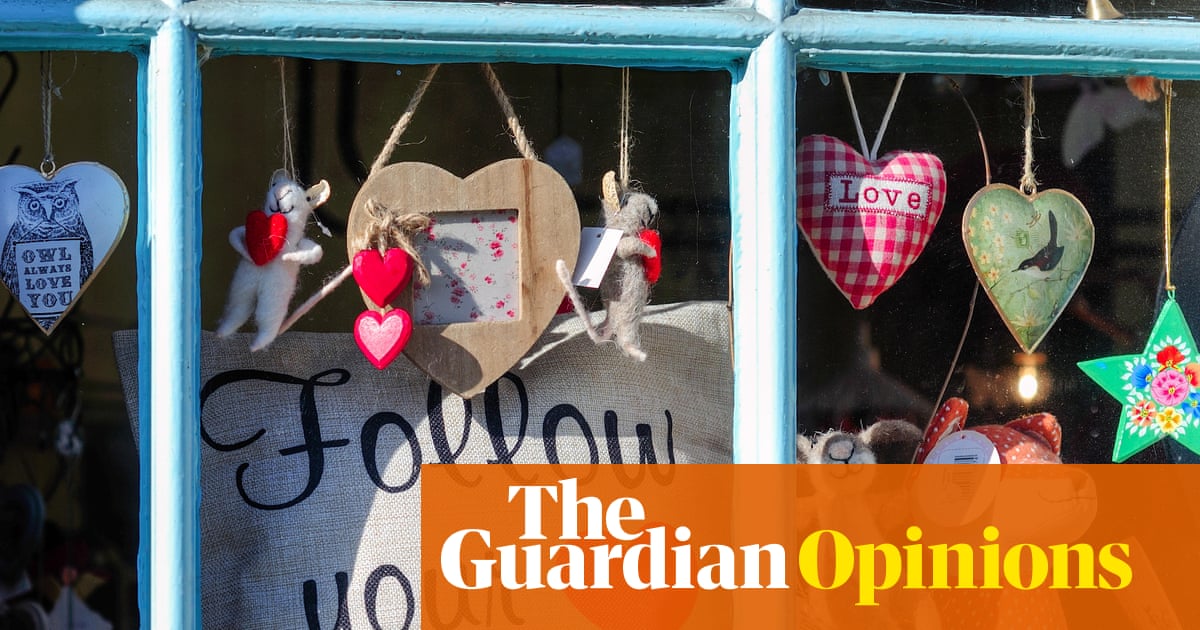
Valentine’s Day has become a catalyst for a surge in home décor turnover, prompting questions about consumer habits and environmental impact. A recent press release from online lighting company Pooky reported a 2,584% increase in searches for “Valentine’s decor” since the start of 2026, alongside a 70% global rise in searches for “seasonal decor” overall.
The trend, fueled by social media and marketing campaigns, encourages consumers to rapidly rotate home furnishings to align with specific holidays and aesthetic trends. Pooky is currently offering 43 “lust-worthy lamps” and shades specifically for Valentine’s Day, capitalizing on the demand for seasonal updates.
However, this rapid cycle of consumption is raising concerns about waste. According to reports, 70 million items of home décor are thrown away each year in Britain, with over a quarter of Britons feeling that homeware trends are changing at an increasingly fast pace. This raises the question of whether the pursuit of fleeting aesthetic ideals is outweighing environmental considerations.
The phenomenon is particularly noticeable in the realm of lighting. Pooky’s chief creative officer advocates for easily rotated seasonal lighting, suggesting consumers store Valentine’s Day lampshades and rose-tinted bulbs for annual use. But this approach necessitates dedicated storage space and contributes to a culture of disposable décor.
The appeal of seasonal décor appears to be linked to economic pressures and a desire for comfort. With socialising becoming increasingly expensive, many are investing in creating cosy and aesthetically pleasing home environments. Novelty ceramics and décor items have become relatively affordable, offering a perceived boost to wellbeing.
However, experts caution against equating shopping with genuine mental health improvement. Marketing campaigns, including a “Dopamine Home Decor” page on the TK Maxx website, have been criticized for conflating consumerism with happiness hormones. Research suggests that overconsumption can actually contribute to lower wellbeing and psychological distress, with the initial satisfaction of a purchase often giving way to a desire for more.
Alternative sources of dopamine, such as music, meditation and volunteering, are often more sustainable and effective. The article points to the enduring appeal of a home filled with objects collected over a lifetime, reflecting personal history and resisting the pressures of fleeting trends. The author contrasts this with the constant cycle of novelty, questioning whether a consistent, personality-driven home environment might offer greater meaning and happiness.
Despite these concerns, the demand for novelty appears unlikely to diminish. The article acknowledges the economic incentives driving content creation and retail sales, suggesting that the cycle of “fast homeware” will likely continue. The author playfully proposes capitalizing on the trend with further novelty items, such as a jester’s-hat butter dish, before ultimately advocating for a more enduring approach to home décor.
